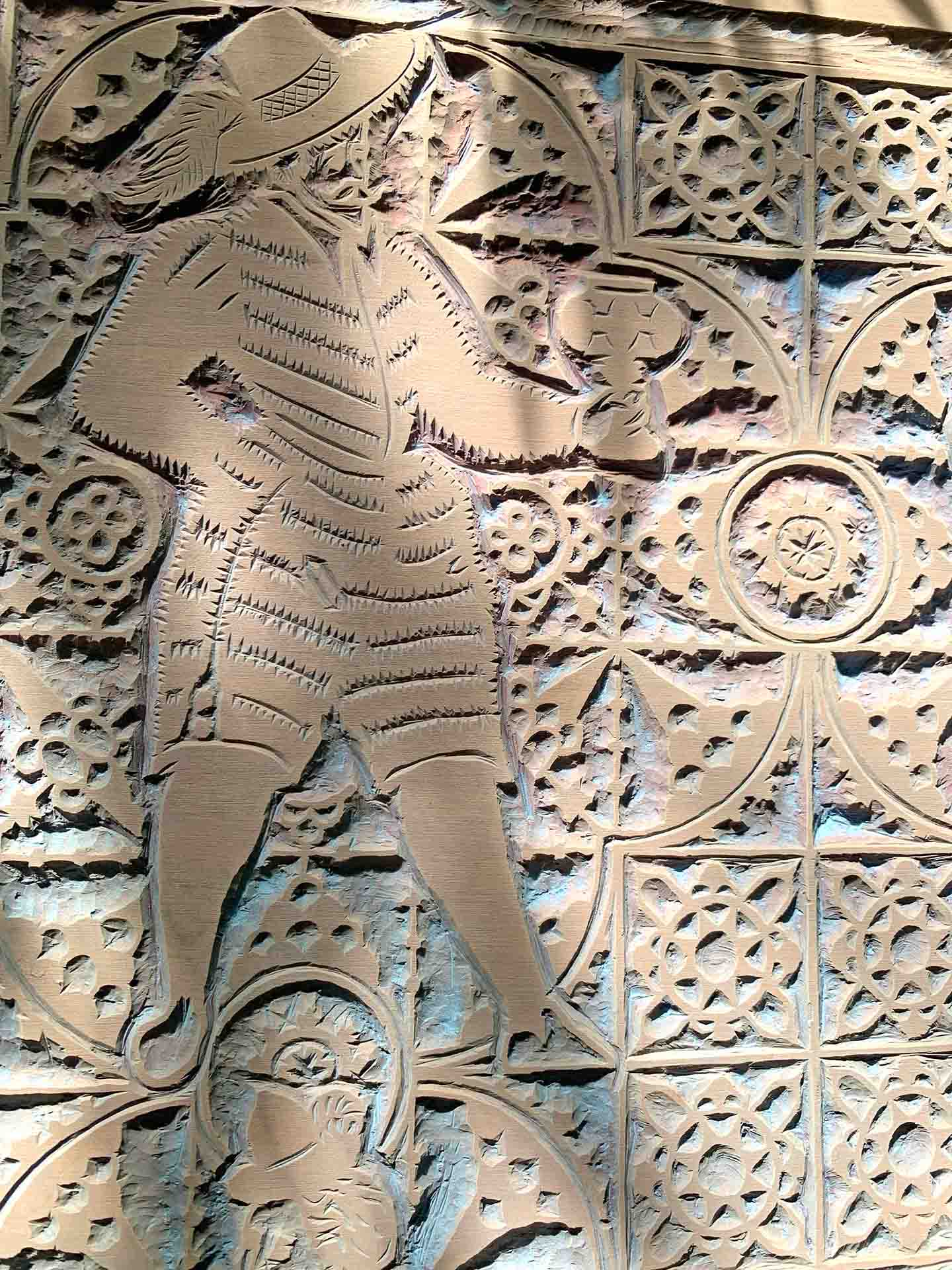
Nuremberg Embroidery. Circa 1770.
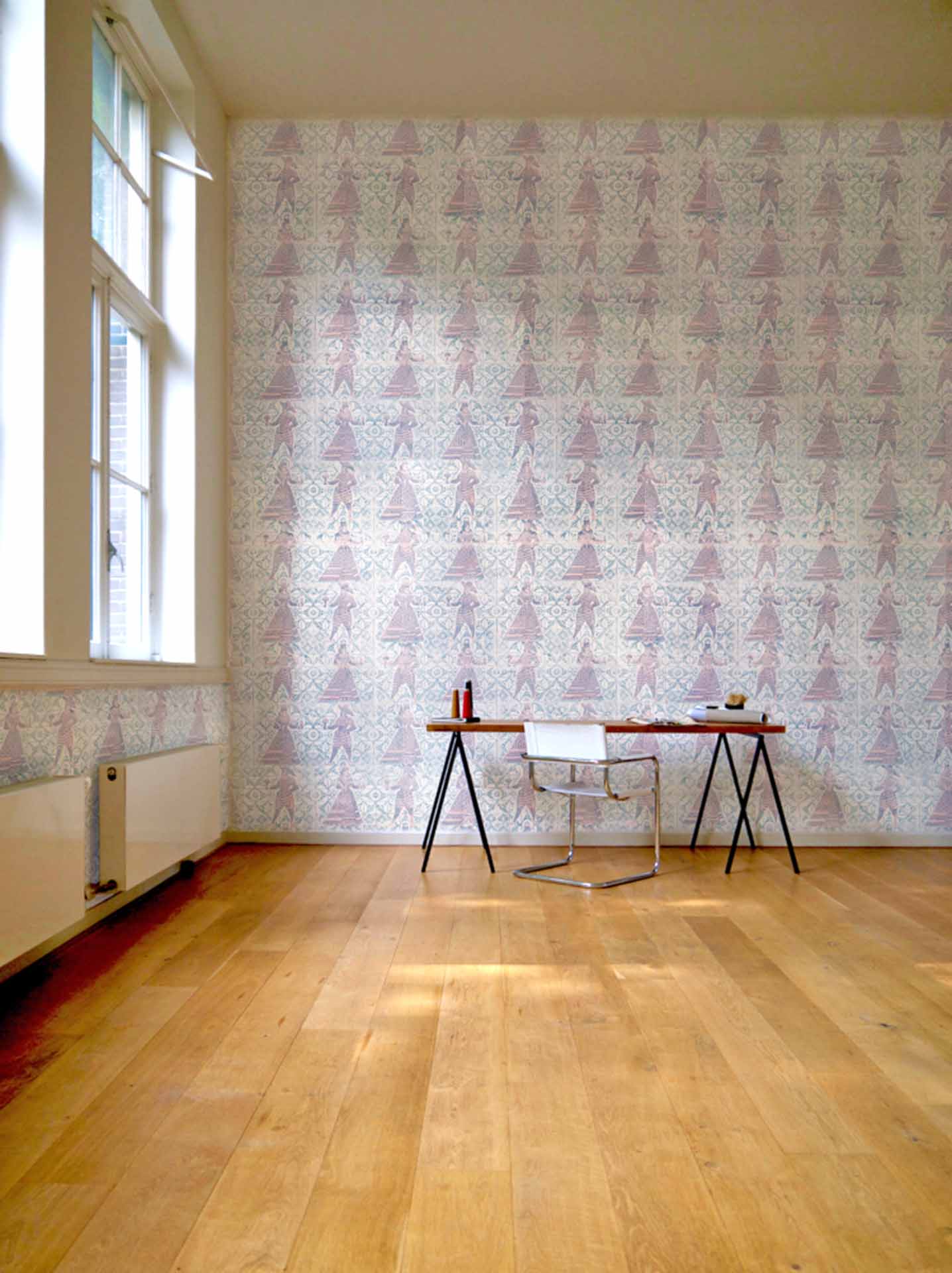
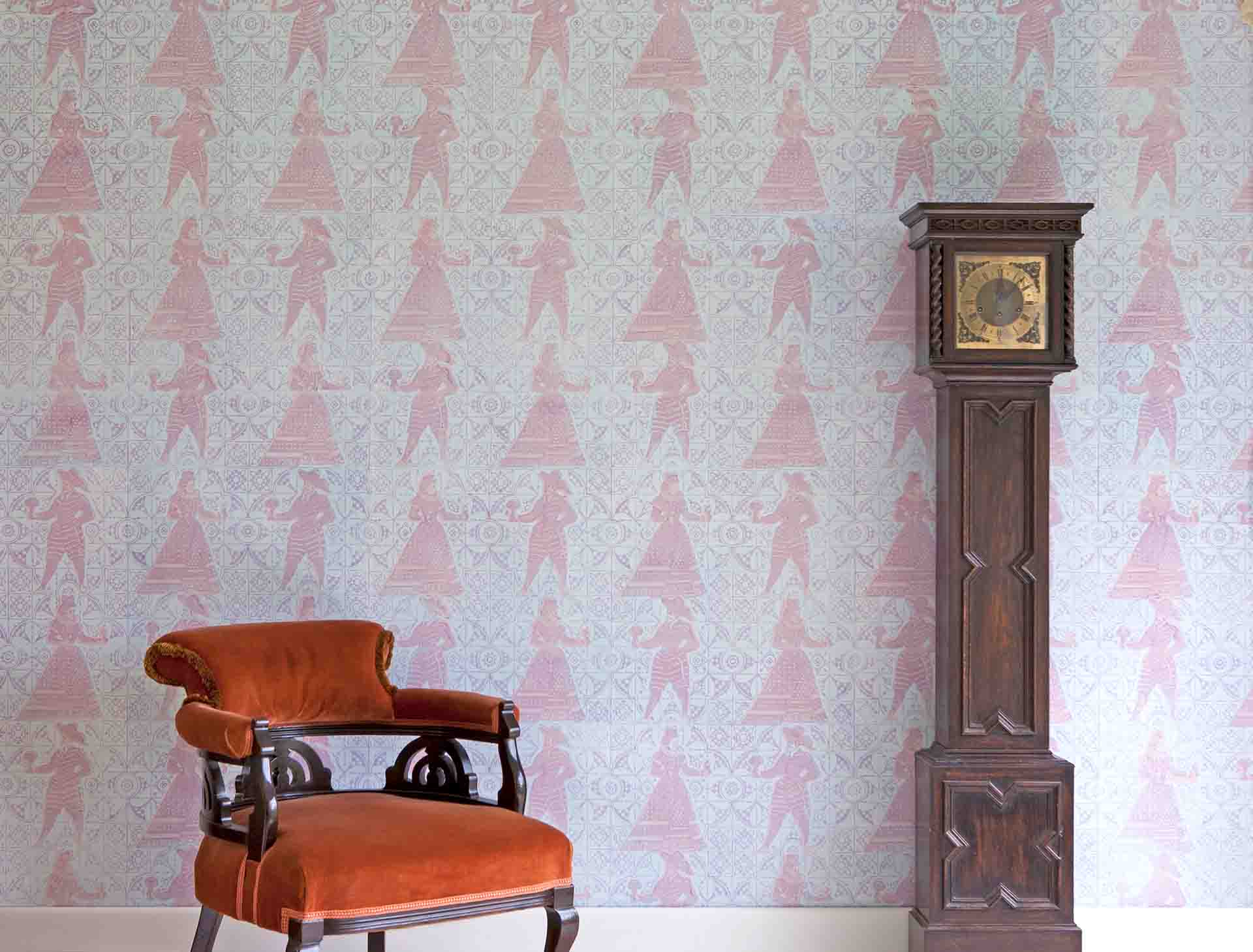
Hand Made Block Printed Wallpaper.
1 block print.
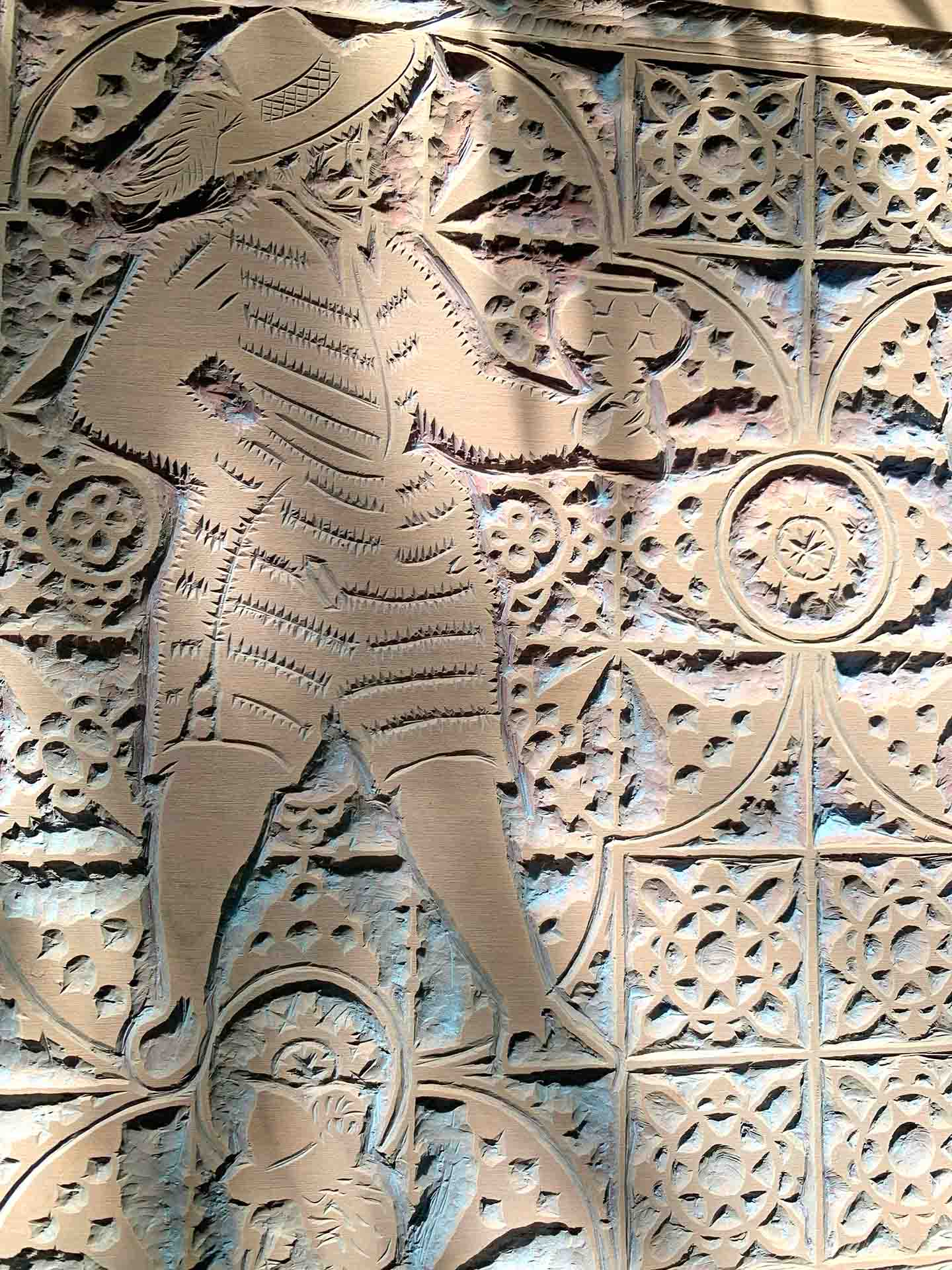
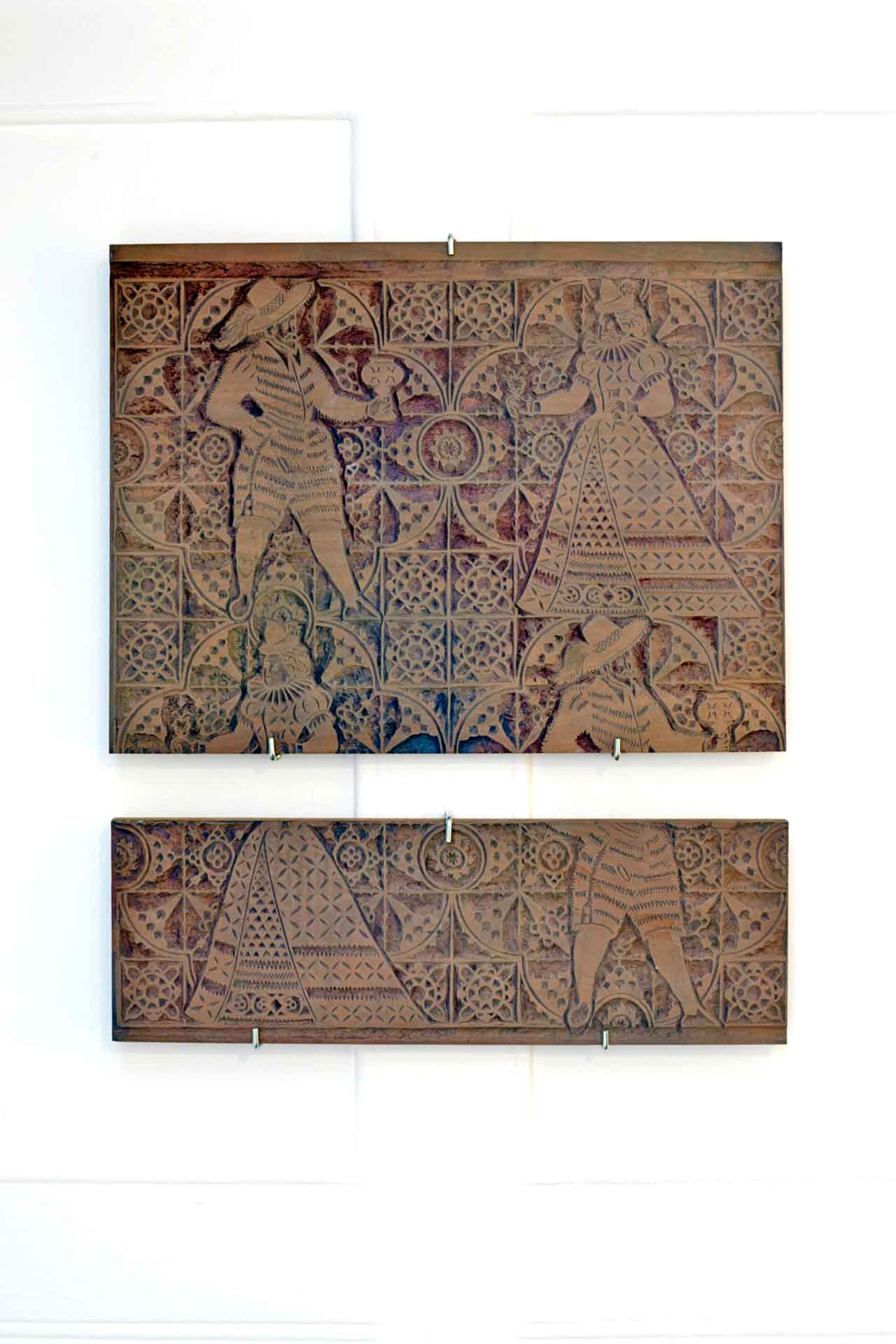
Block printed by hand using hand-carved pear wood blocks, hand-mixed distemper paints, oar press printing on domino paper.
To order a sample please purchase 1 sheet.
All colour schemes are bespoke.
Sheet size: 53.5 x 52.5 cm (21 x 20⅝ inches)
£95 per sheet = £339 per m²
Minimum order of 50 sheets covers 14 m² = £4750
Enquire
purchase
An authentic recreation of a circa 1770 embroidery-inspired pattern, this hand made domino wallpaper exemplifies the refined sophistication of Georgian / Rococo decorative arts. Produced using traditional block printing combined with hand stencilling with hand-carved pear wood blocks and historic distemper paint recipes, each sheet is crafted individually in the Cotswolds workshop of James Randolph Rogers.
About This Design
This historic wallpaper reproduction faithfully recreates an exceptional circa 1770 embroidery pattern using traditional domino paper methods unchanged since the Georgian period. Nuremberg Embroidery exemplifies the sophisticated cross-pollination between textile and wallpaper design that characterised mid-18th-century decorative arts, when the elegant needlework patterns of German and Austrian embroiderers profoundly influenced British and Continental wallpaper manufacturers. These distinctive designs translated the intricate beauty of costly silk embroideries into affordable hand made wallpapers, bringing refined decorative effects within reach of prosperous households throughout Georgian Britain and the American colonies.
The pattern’s complex motifs demanded considerable technical skill from dominotiers, requiring both block printing and hand stencilling to achieve the layered colours and delicate details characteristic of fine embroidery work. Such papers typically adorned the principal chambers of fashionable townhouses—parlours, drawing rooms, and best bedchambers—where their sophisticated aesthetic complemented the Rococo furniture and decorative schemes favoured during the 1760s and 1770s in London, Bath, Philadelphia, and Boston.
Hand Made Production Method
Each sheet of this bespoke wallpaper is produced entirely by hand using authentic pre-1830s techniques combining block printing with hand stencilling. The foundation of the design is block printed from a single hand-carved pear wood printing block—the traditional medium valued by Georgian dominotiers for its fine grain and ability to hold intricate detail. This block is carefully inked with hand-mixed distemper paints, formulated according to historic recipes using natural pigments and animal glue binders that replicate the characteristic matt finish of 18th-century wallpapers.
The primary pattern is printed using an oar press, applying even, controlled pressure to transfer the design onto individual sheets measuring 53.5 x 52.5 cm (21 x 20⅝ inches). Additional colours and embellishment details are then applied through hand stencilling, a painstaking process requiring precise registration to achieve the layered, multi-tonal effects essential to embroidery-inspired patterns. This dual-technique hand made production method, combining block printing with stencil work, represents the pinnacle of Georgian domino paper craftsmanship, demanding considerable skill and patience to achieve consistent quality across multiple sheets.
Historical Context and Authenticity
Embroidery-inspired wallpaper patterns flourished across Georgian Britain and Colonial America during the 1760s through 1780s, when the Rococo taste favoured curvilinear motifs and naturalistic ornamentation drawn from Continental design sources. German embroidery patterns, particularly those emanating from Nuremberg’s celebrated needlework tradition, exerted significant influence on English and American wallpaper production, with dominotiers adapting these sophisticated textile designs for wallpaper applications. Original examples discovered in historic houses—from Spitalfields weavers’ homes in London to merchant residences in Salem, Massachusetts—demonstrate how these patterns bridged the gap between costly imported embroidered silks and affordable decorative wall treatments.
This historic wallpaper recreation derives from meticulous study of circa 1770 embroidery patterns and surviving domino paper examples, maintaining both the traditional hand made production methods and the refined aesthetic sensibilities of the Georgian period. The commitment to authentic manufacture ensures the wallpaper possesses the distinctive surface quality, colour depth, and visual texture characteristic of genuine 18th-century domino wallpaper, whether destined for a Georgian townhouse restoration, a period country house, or a Colonial-era property.
Bespoke Specifications and Ordering
This block printed wallpaper is produced to order on individual sheets measuring 53.5 x 52.5 cm (21 x 20⅝ inches), reflecting the nearly square sheet proportions occasionally used for complex patterns requiring careful colour registration. Pricing is , with a minimum order requirement of Minimum order of 50 sheets covers 14 m² = £4750.
All bespoke colour schemes are mixed specifically for each commission to suit your interior requirements whilst respecting period authenticity. Historic embroidery-inspired patterns typically employed sophisticated palettes—soft coral pinks and sage greens, deep claret reds with ochre accents, or restrained blue-greys with cream grounds—though contemporary colour interpretations can be accommodated whilst maintaining the characteristic distemper paint finish. Volume orders exceeding 100 sheets receive a 20% discount, making larger restoration projects more economical whilst maintaining uncompromising quality and authenticity.
Get In Touch