
Historical
Wallpapers
Wallpapers
Explore our collection of authentic pre-1830s domino wallpapers, each meticulously recreated using traditional hand-blocking methods from the Georgian, Regency and Federal periods. Every design in this collection represents a fragment of architectural history, printed by hand on individual sheets using hand-carved pear wood blocks, hand-mixed distemper paints and an oar press—exactly as they would have been produced between 1700 and 1830.
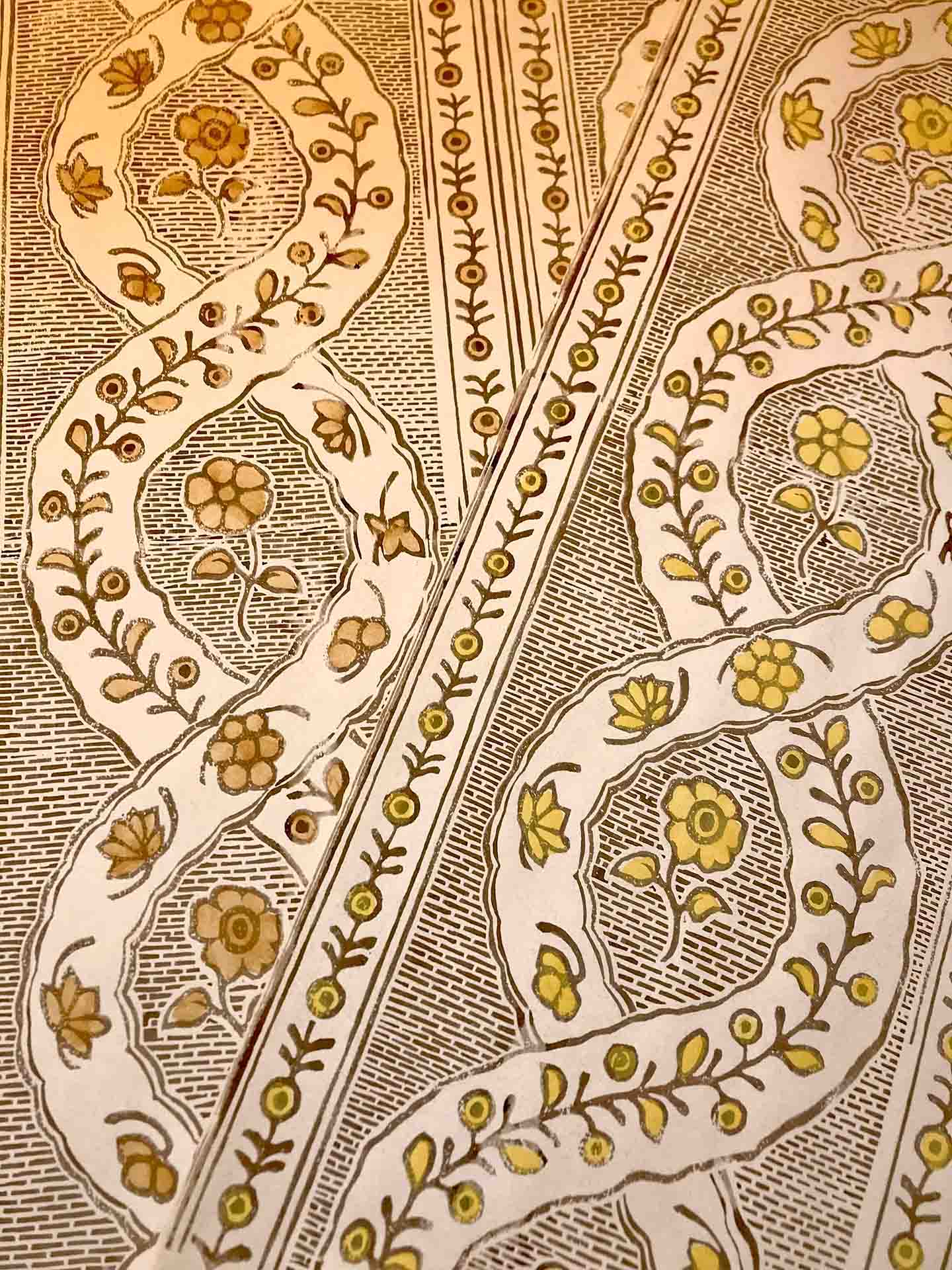
Domino Swag.
1750

Ginsburg Birds.
1830
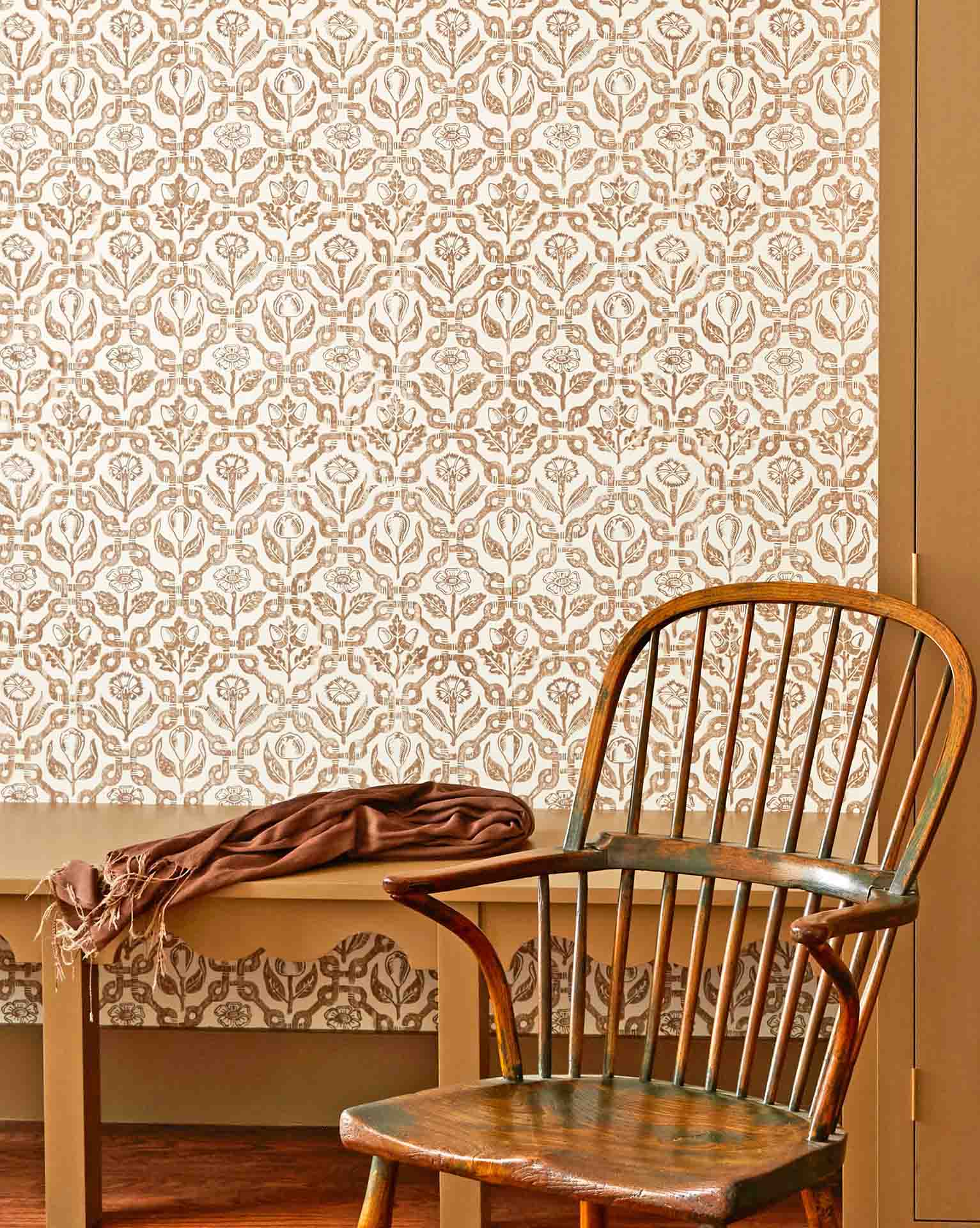
Acorns.
1549

Sprig.
1800

Mockingbirds.
1725
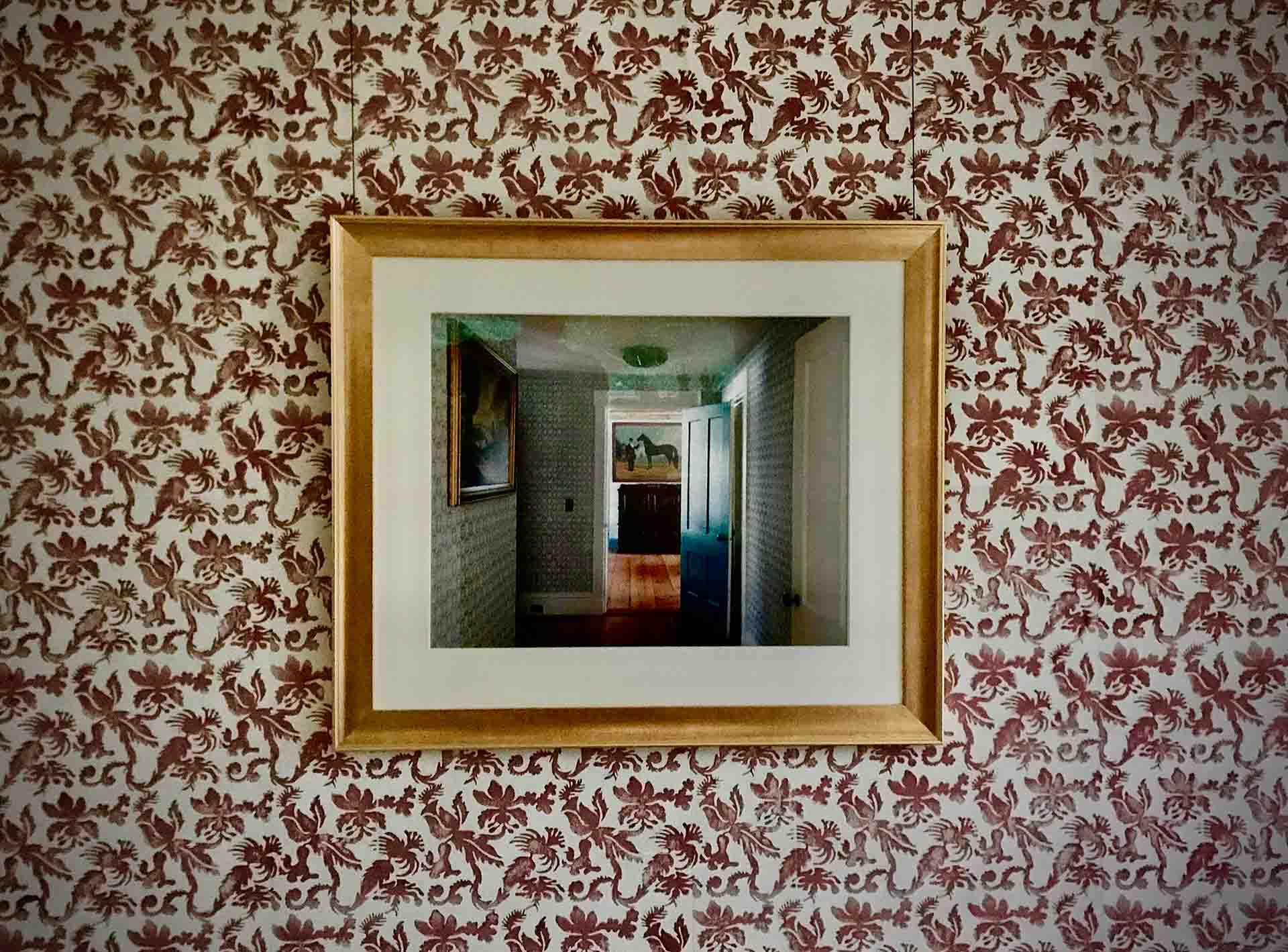
La Mirande.
1750
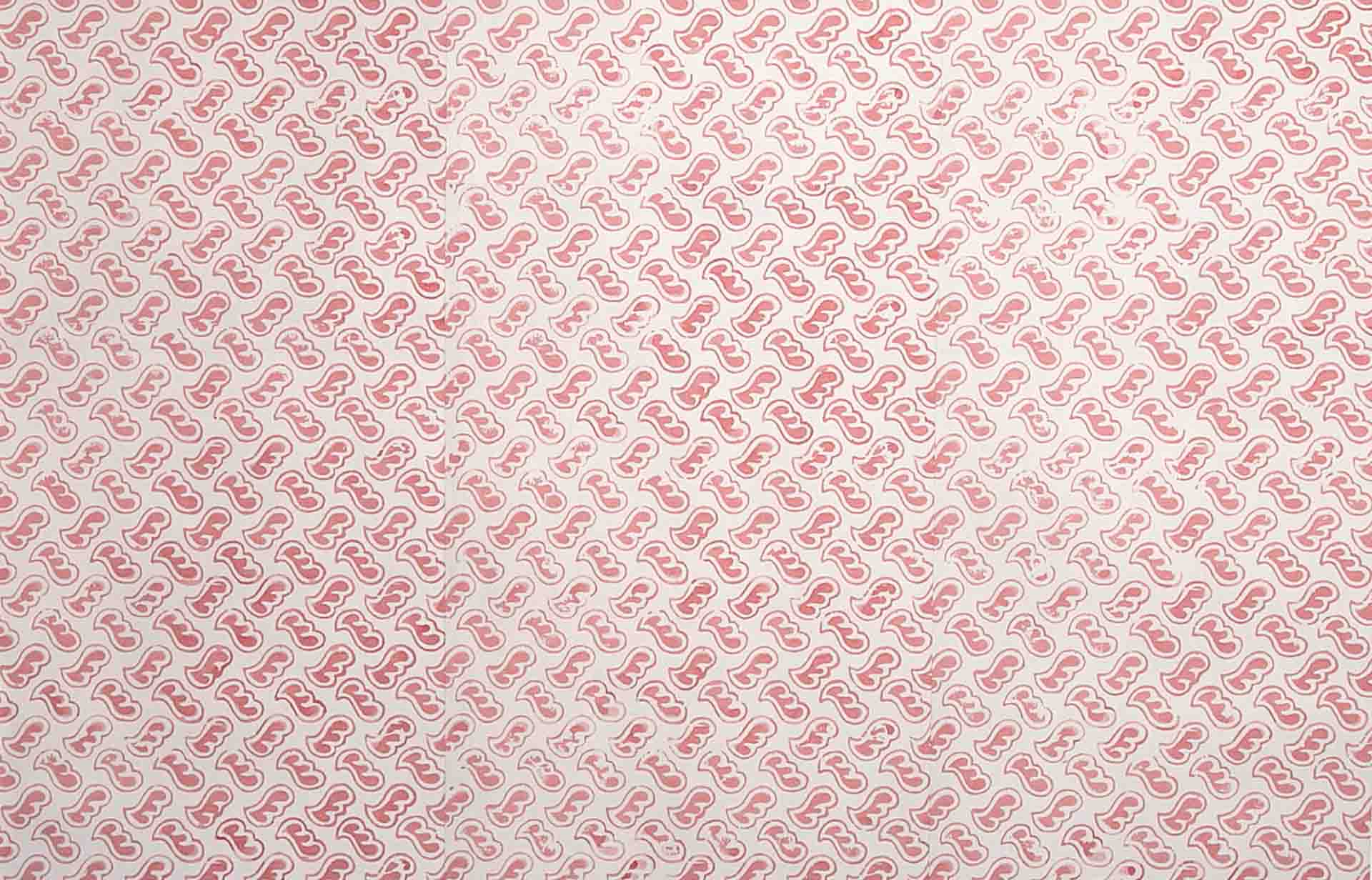
Italian Box Paper.
1770

Royal Bees.
1800
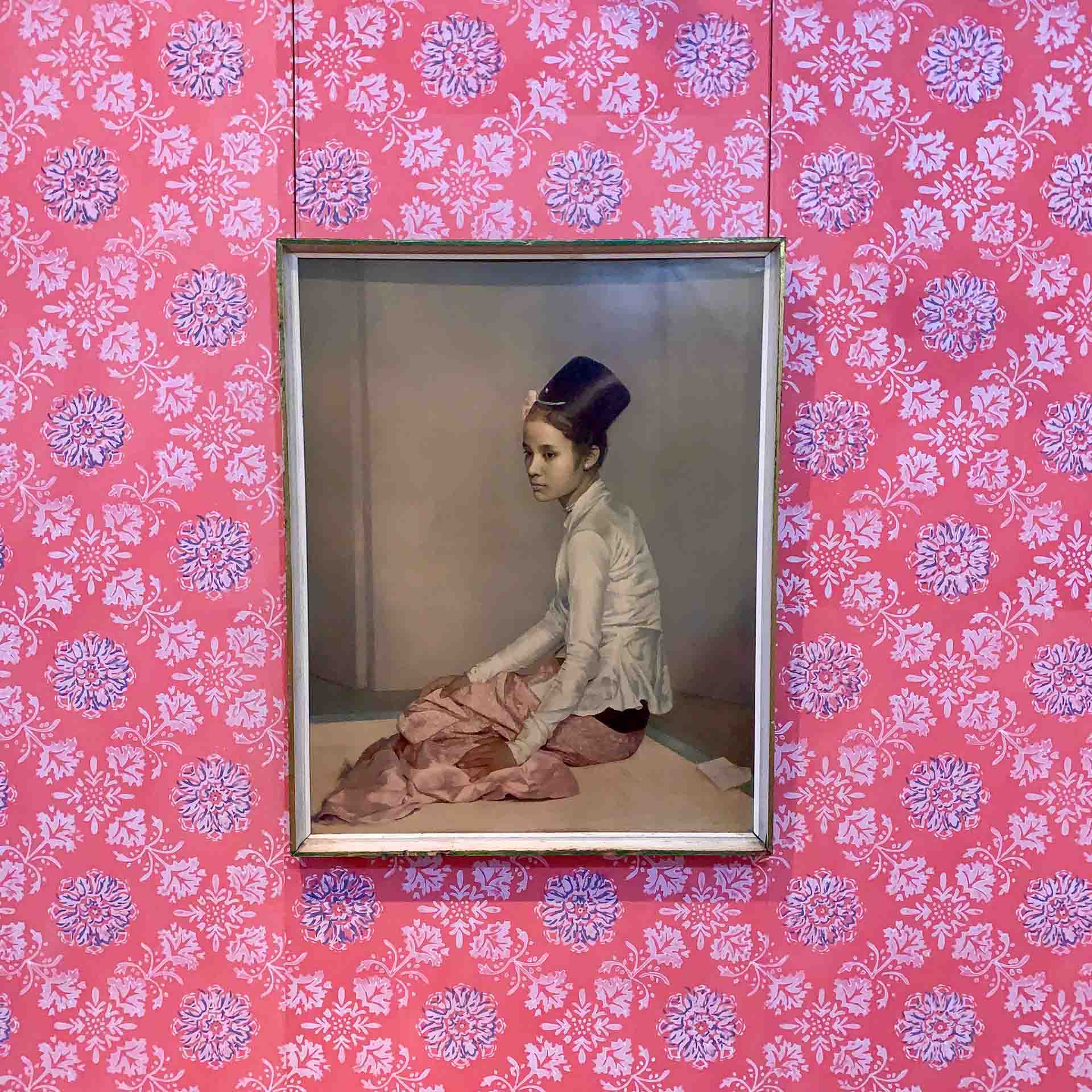
Untitled..
1830
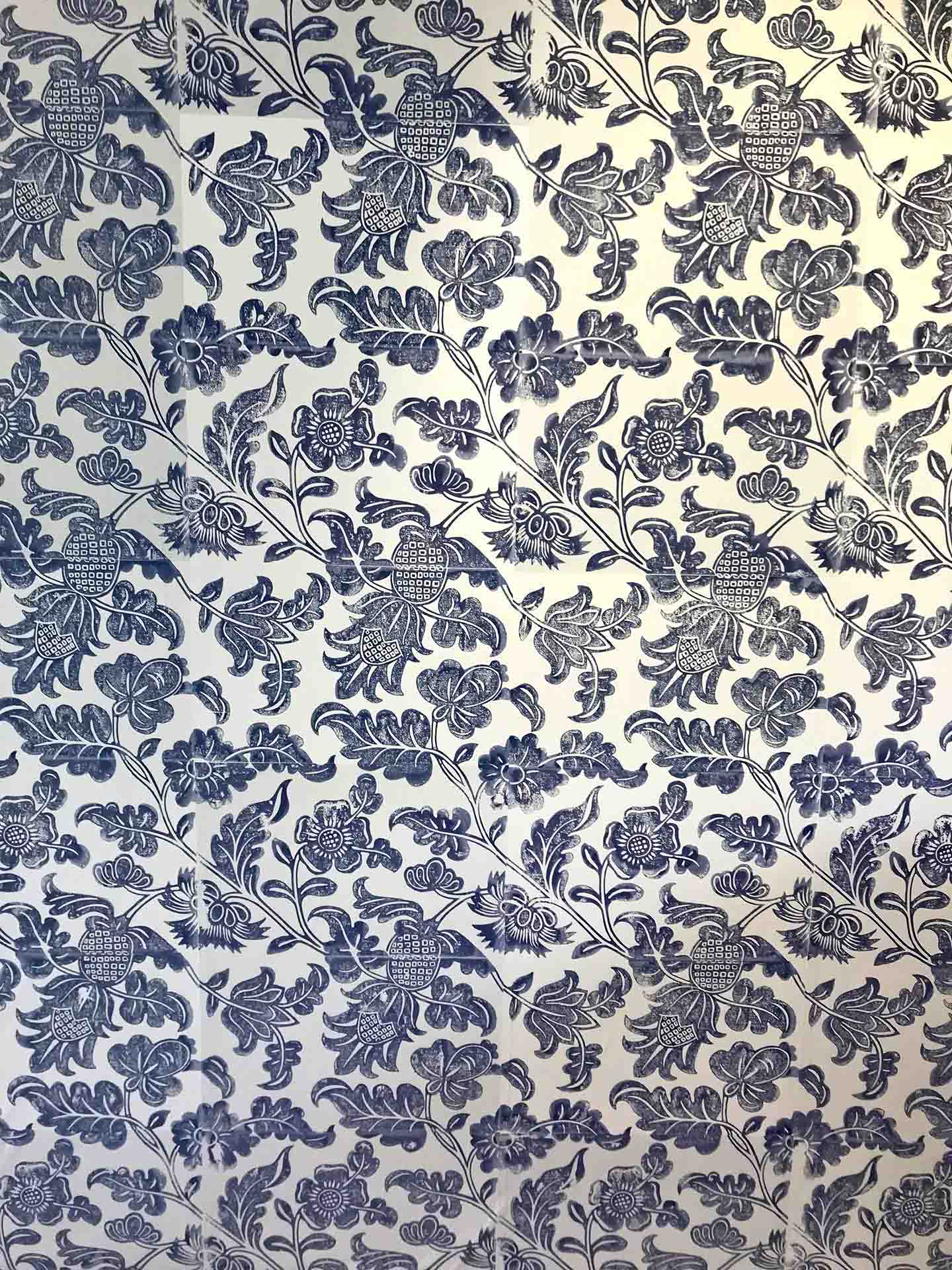
Didier Floral.
1750

Domino Geometric.
1800
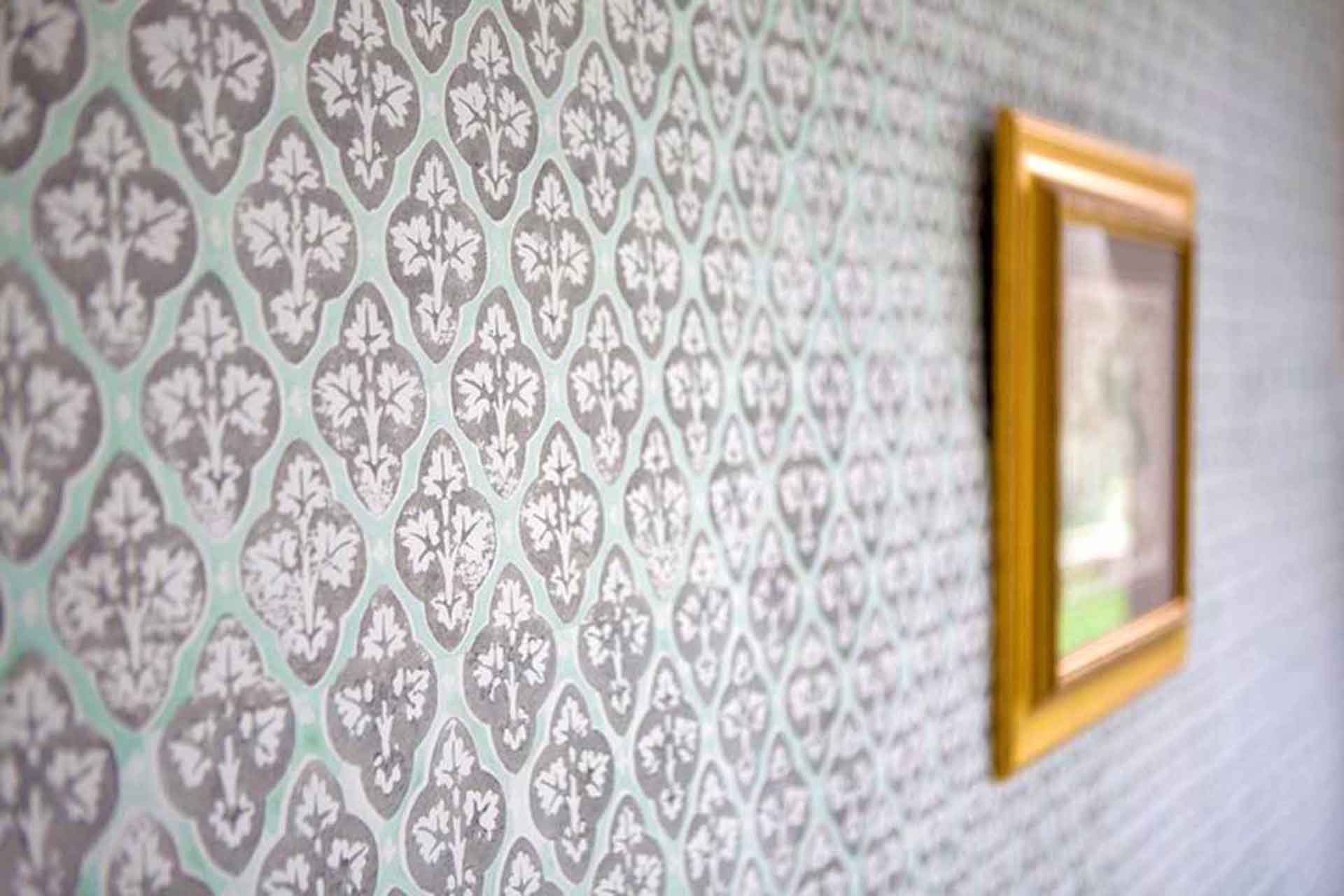
Smoking Room.
1750
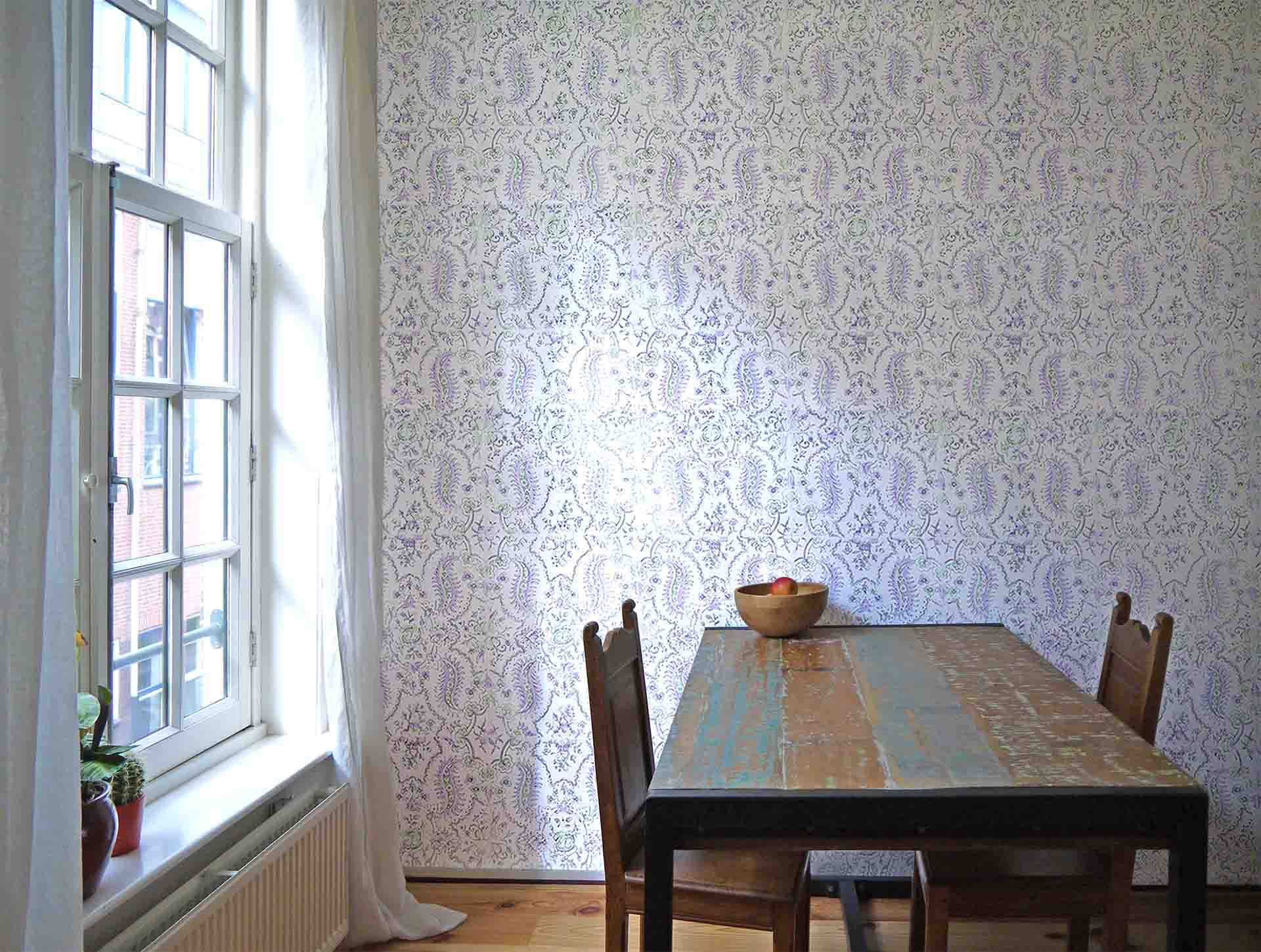
Central Rose.
1725
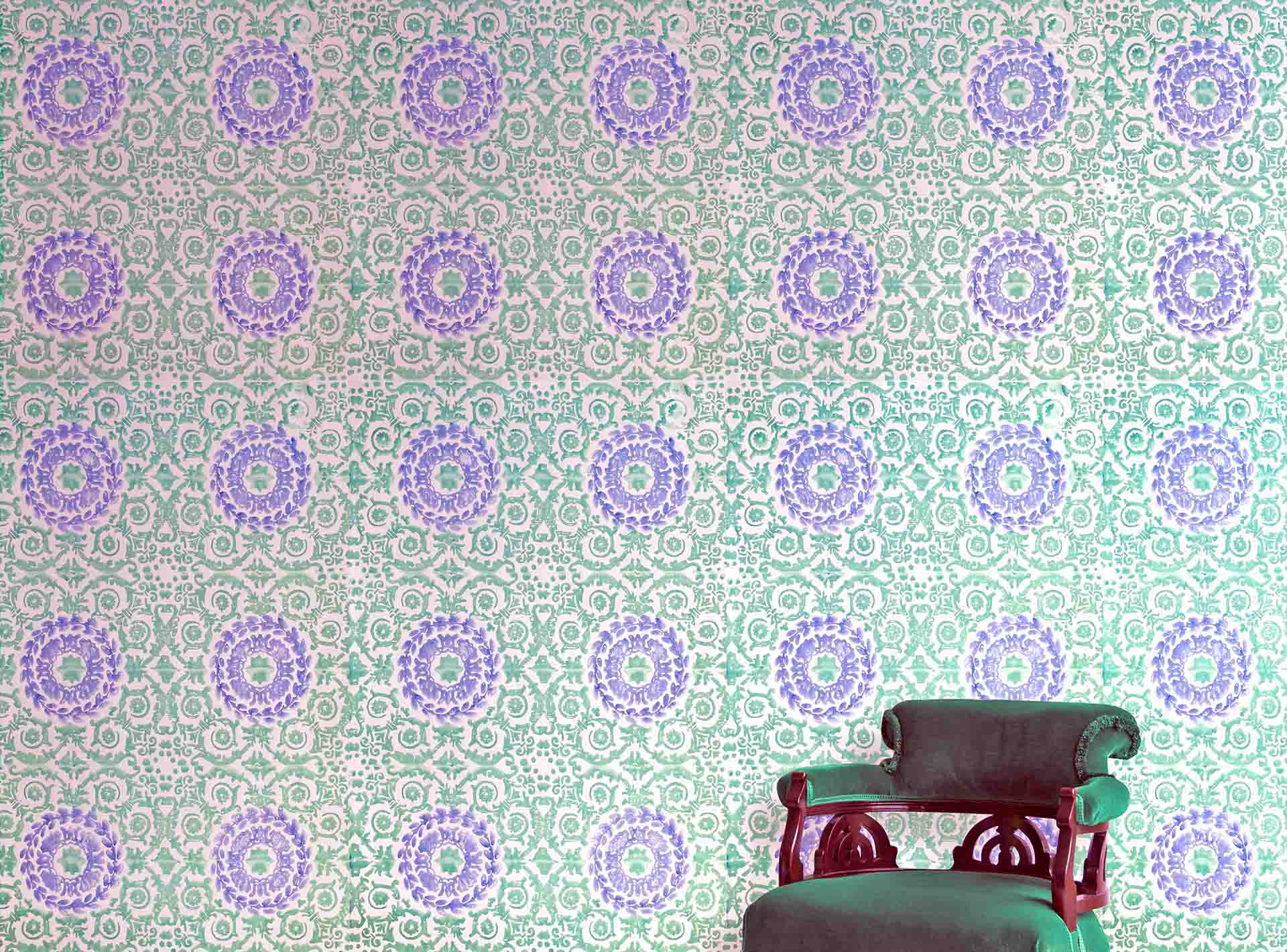
Wreath.
1725
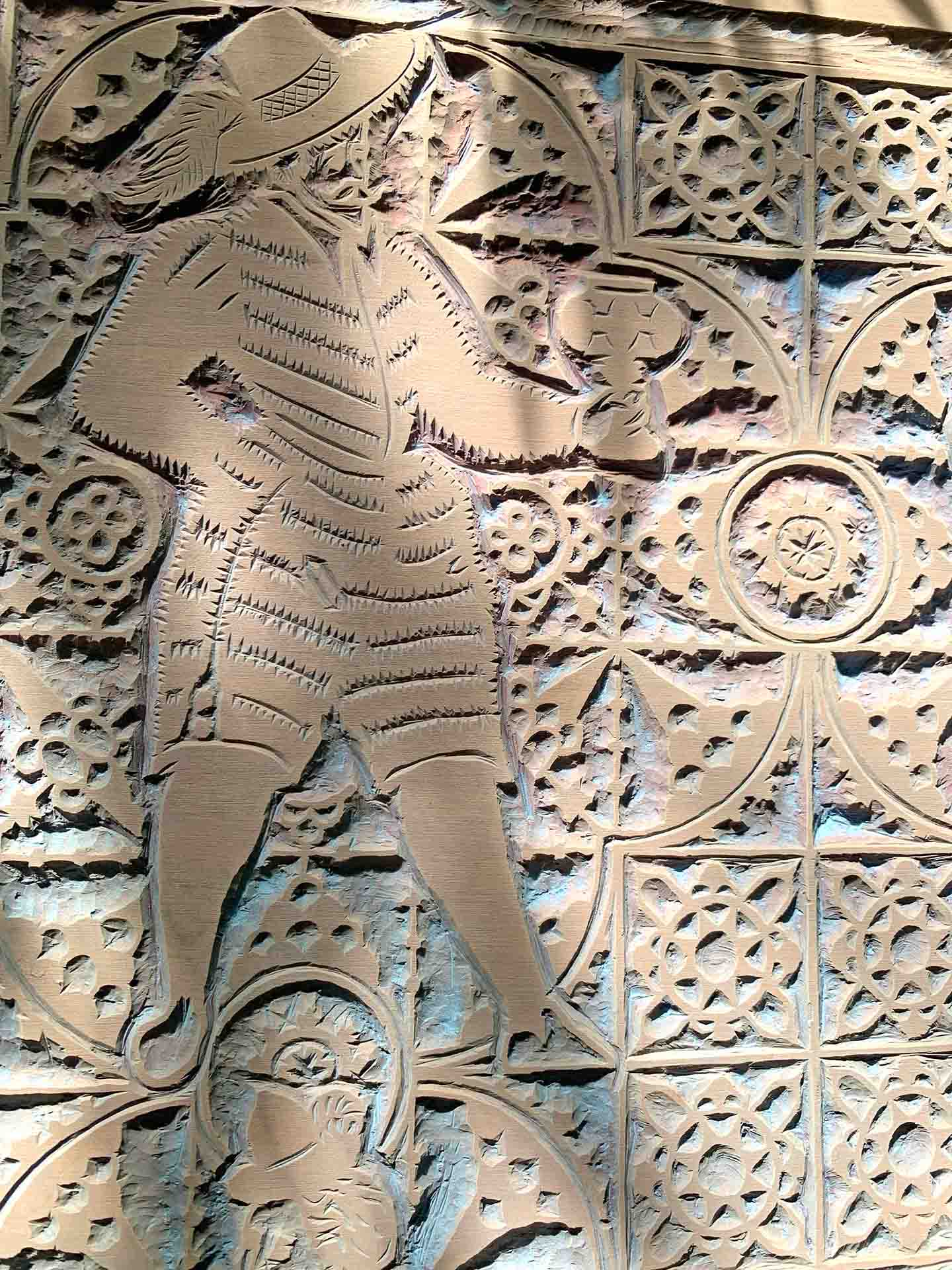
Nuremberg Embroidery.
1770
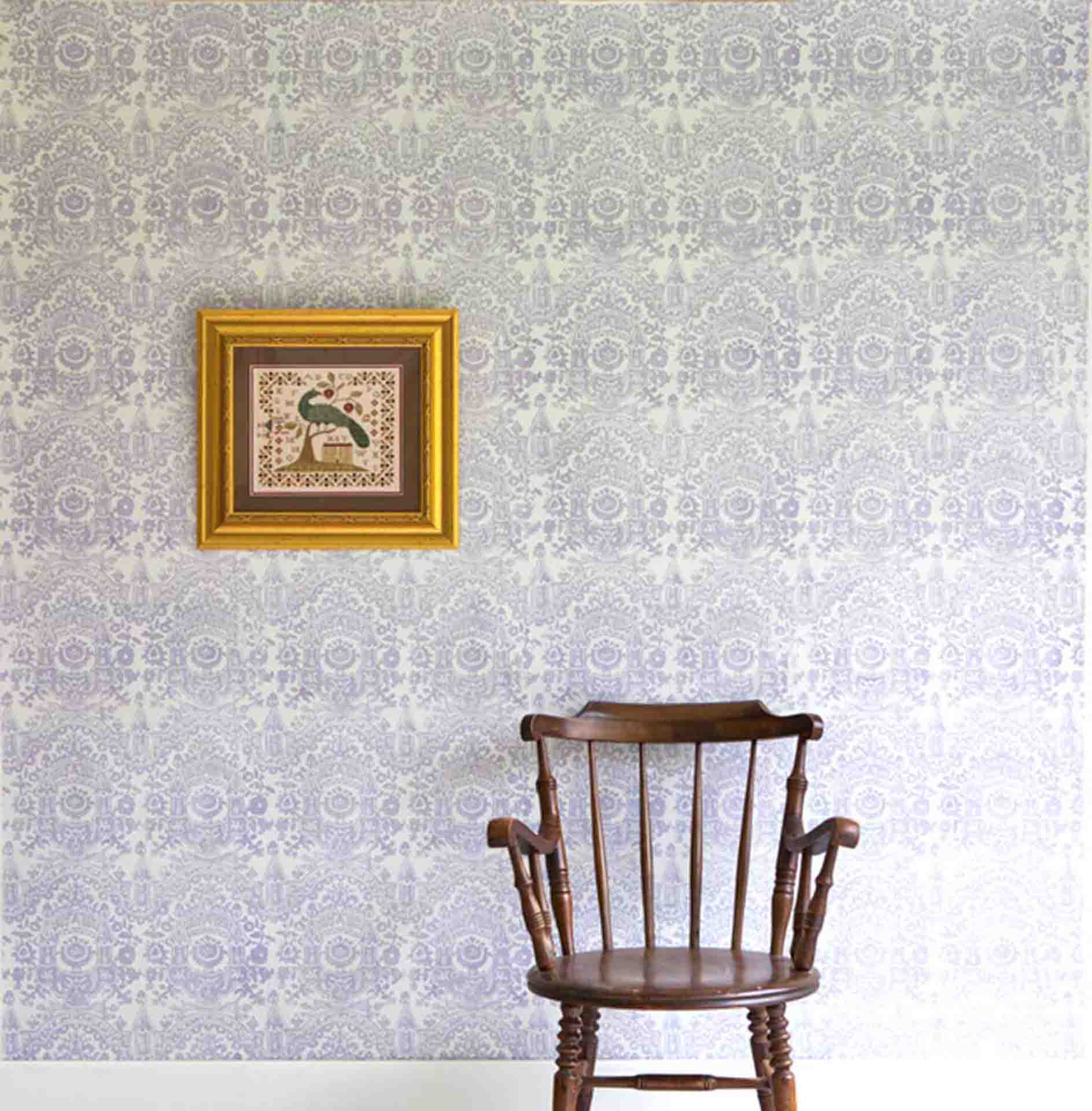
Castles.
1800
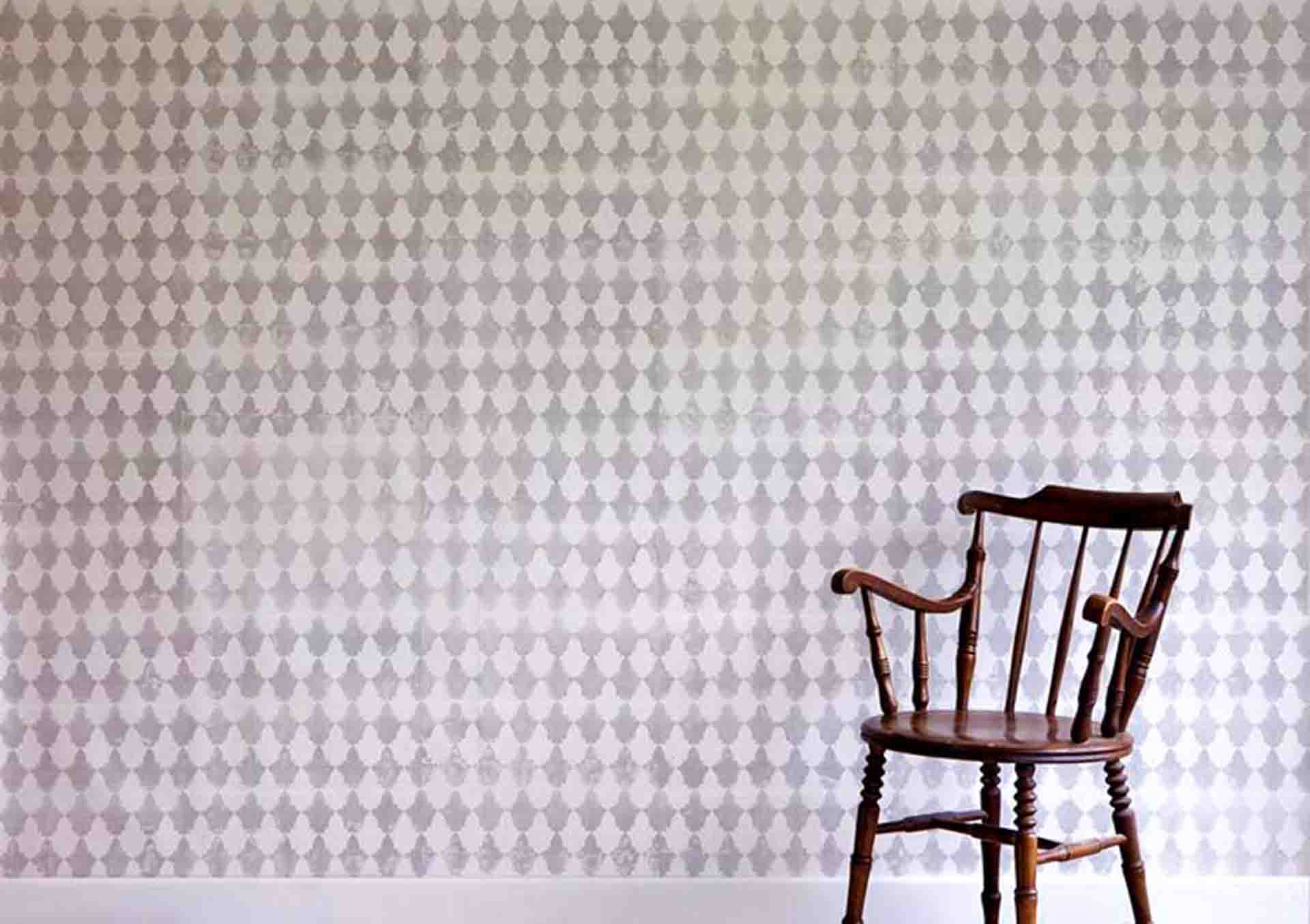
Tessellation.
1800
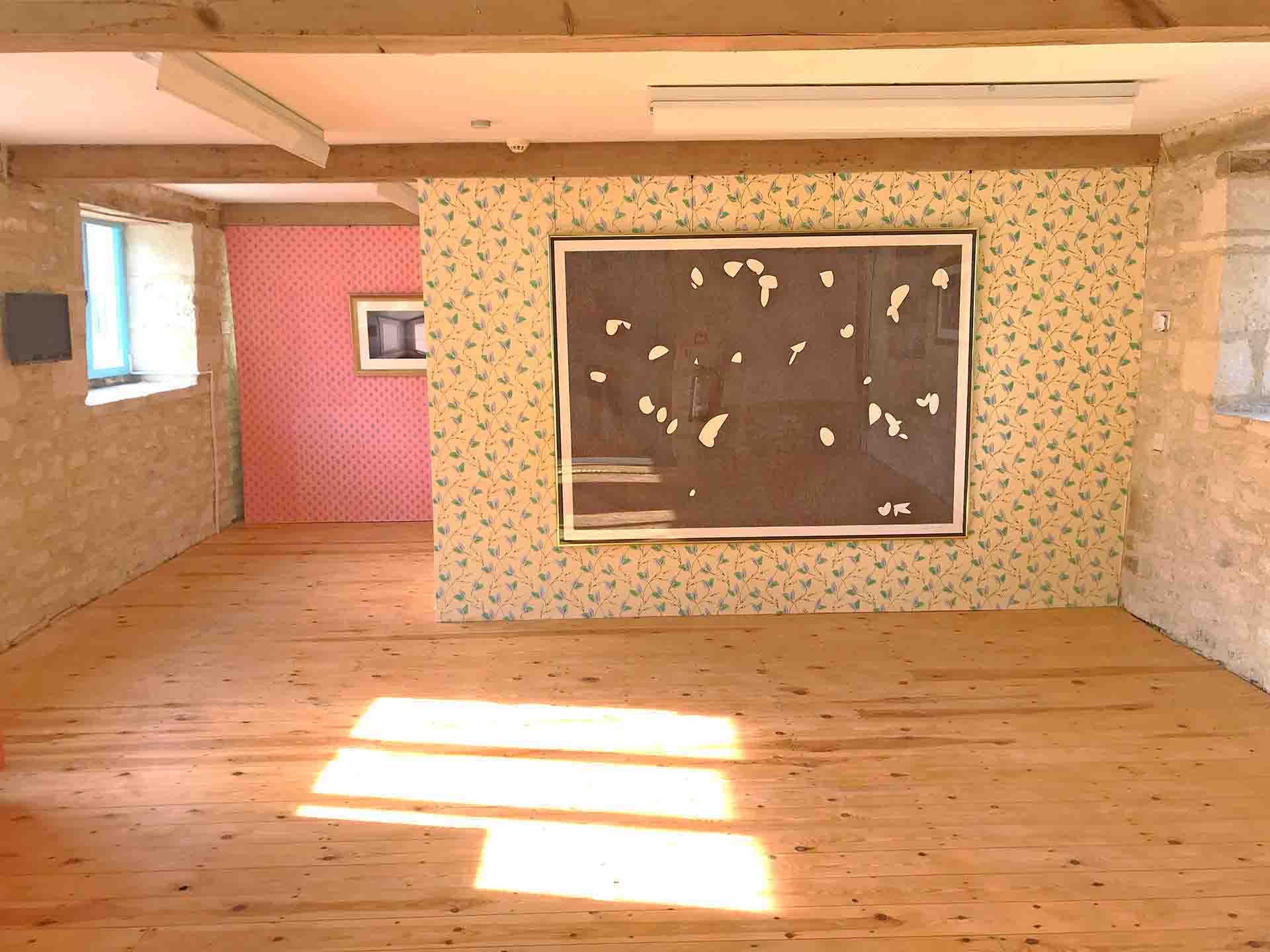
Ginsburg Swag.
1830
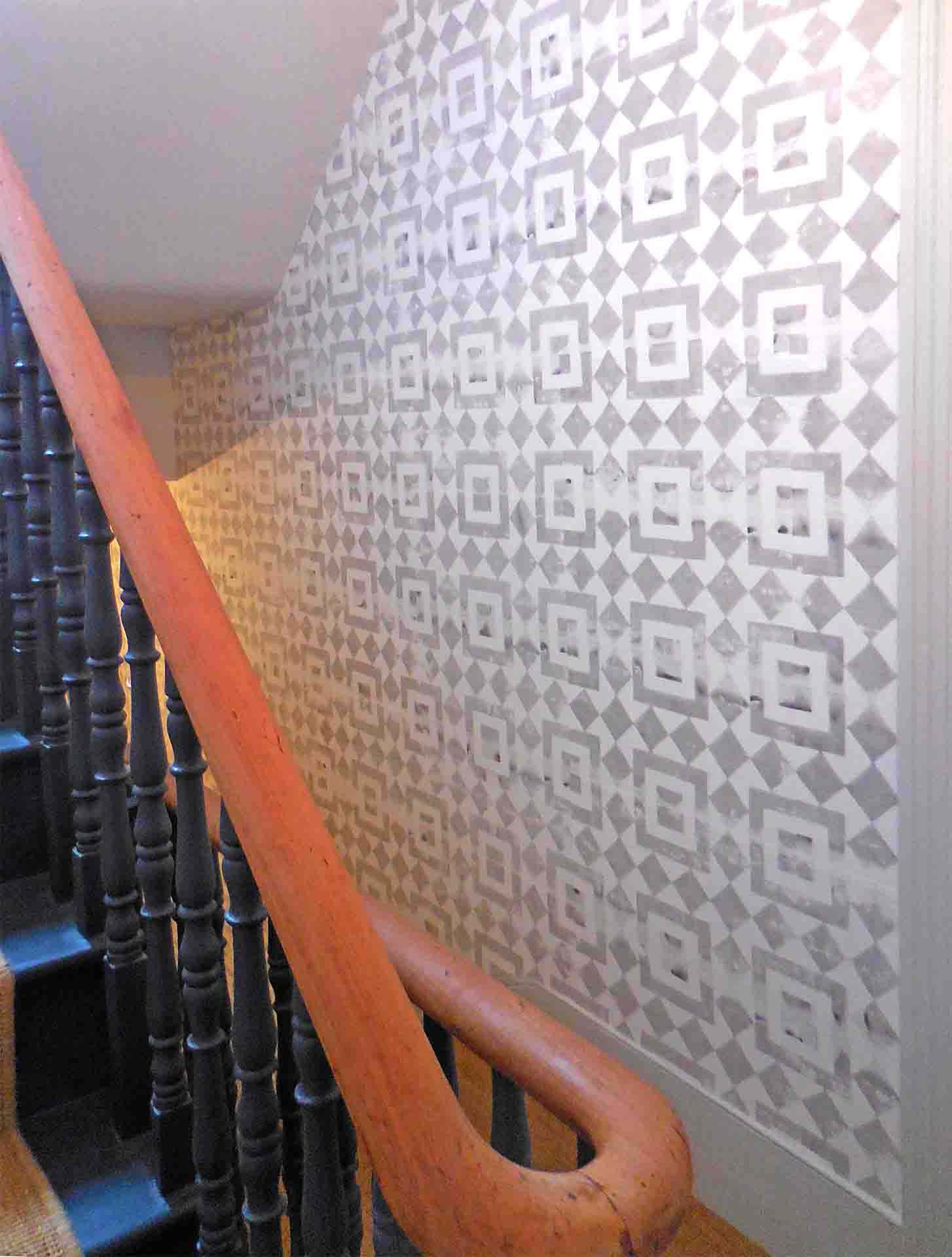
Moroccan.
1700
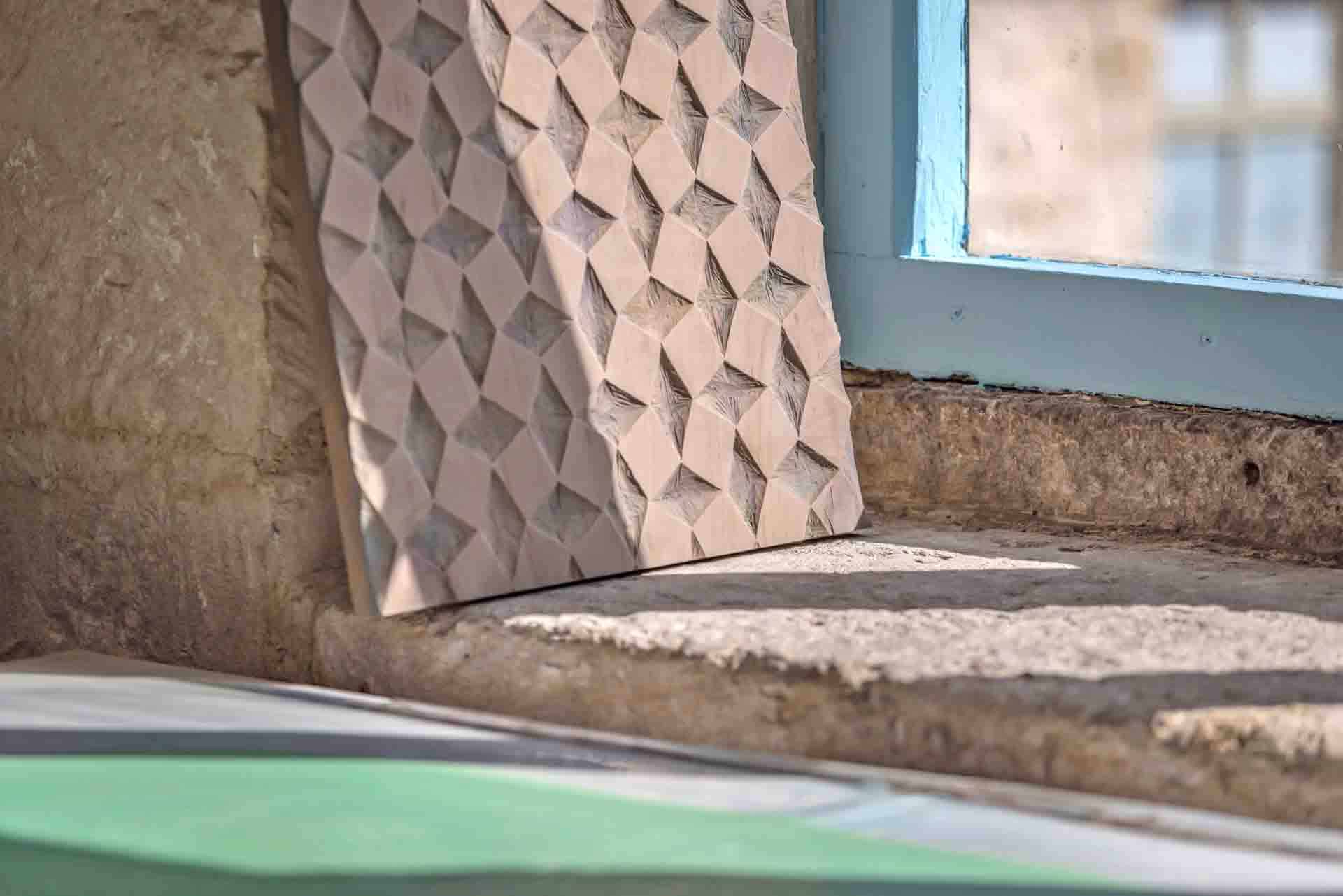
Diamonds.
1750
The Art of Domino Paper: A Living Tradition
Before the mechanisation of wallpaper production in the mid-19th century, interior walls throughout Britain and America were adorned with domino papers—individual sheets of hand-printed paper that revolutionised domestic decoration. Each wallpaper in our collection honours this centuries-old craft, produced using the same painstaking methods employed by Georgian and Federal-era craftsmen.
Authentic Hand-Blocked Production
Unlike modern wallpapers produced on industrial printing machines, every sheet in our collection is created entirely by hand. Each design begins with hand-carved pear wood blocks, meticulously shaped to capture the intricate details of the original historical patterns. These blocks are then inked with hand-mixed distemper paints—traditional water-based pigments that provide the subtle colour variations and depth characteristic of authentic period wallpapers.
The printing process itself employs an oar press, a traditional method that allows for precise pressure control and ensures each impression captures the full detail of the carved block. This technique, labour-intensive though it may be, produces wallpapers with a richness and individuality impossible to replicate through modern mechanical processes. The result is not merely reproduction but authentic recreation—wallpapers that possess the same handmade character and subtle variations as their 18th-century predecessors.
Historical Significance and Provenance
The designs in our collection span over a century of decorative arts history, from the early Georgian period through to the late Regency era. Each pattern has been carefully selected for its historical significance and timeless aesthetic appeal. These are not generic interpretations but faithful recreations of actual wallpapers that adorned the homes of merchants, aristocrats and tastemakers throughout the Georgian and Federal periods.
During the 18th century, wallpaper emerged as a status symbol, transforming from a modest alternative to textile hangings into a sophisticated decorative art in its own right. Technical improvements in block-printing meant that patterns could be printed in many colours and styles, allowing the British wallpaper industry to flourish. Our collection represents this golden age of wallpaper design, when each piece was a testament to the printer’s skill and the patron’s refined taste.
The Domino Paper Tradition
Domino papers are among the earliest examples of wallpaper, either pasted sheet by sheet onto walls or serving smaller purposes as endpapers for books or linings for wardrobes and boxes. The term “domino” itself reflects the French origins of this craft—papier dominoté—which spread from France throughout Europe and across the Atlantic to the American colonies during the 18th century.
What distinguishes domino papers from later continuous-roll wallpapers is their unique installation method. Each sheet overlaps the next by approximately half an inch, creating a subtle patchwork effect that adds depth and visual interest to the finished wall. This overlapping technique produces gentle variations in colour and texture as light plays across the surface, giving domino wallpapers their distinctive three-dimensional quality.
Sheets, Not Rolls: Understanding the Difference
Our wallpapers are sold and installed as individual sheets, typically measuring between 20 and 30 inches in height and approximately 20 inches in width. This sheet format is not merely a stylistic choice—it is fundamental to authentic domino paper production. Domino wallpapers remained common until the mid-18th century, before wallpaper began to be produced in continuous rolls.
The sheet format offers several advantages beyond historical authenticity. Installation begins at the top left corner of a wall, working downwards in vertical columns, with each sheet overlapping the one above. This method allows for greater flexibility in navigating architectural features and permits easier replacement of damaged sections. The visible joins between sheets, far from being a limitation, create the characteristic aesthetic that makes domino wallpapers so distinctive and sought-after by discerning collectors and interior designers.
Bespoke Colour Palettes for Contemporary Interiors
Whilst our designs remain faithful to their historical origins, we understand that contemporary interiors demand flexibility. Every wallpaper in our collection can be produced in bespoke colour schemes tailored to your specific requirements. This approach mirrors historical practice—Georgian and Federal-era wallpapers were often commissioned in custom colourways to complement particular decorative schemes.
Whether you prefer the rich jewel tones typical of mid-Georgian taste or the lighter, more delicate palette of the Regency period, we work closely with clients to develop colours that both honour the historical integrity of the design and suit modern aesthetic sensibilities. All pigments are hand-mixed using traditional distemper formulations, ensuring authentic surface quality and subtle colour variations that distinguish handmade papers from mechanically printed alternatives.
Serving the UK and US Markets
Our collection speaks to the shared decorative heritage of Britain and America during the Georgian and Federal periods. The same design sensibilities, trading networks and cultural influences shaped interior decoration on both sides of the Atlantic. Patterns popular in London townhouses found their way into Philadelphia merchant homes; techniques perfected in English workshops were adapted by American craftsmen.
This transatlantic tradition continues today, with our wallpapers specified for historic restoration projects, museum installations and private residences throughout the United Kingdom and United States. Whether you’re restoring a Georgian townhouse in Bath, a Federal-era property in Boston or simply seeking to introduce authentic period character to a contemporary space, our collection offers designs suited to a variety of architectural contexts.
Minimum Order and Installation
Due to the considerable time and craftsmanship required to produce each sheet, we maintain a minimum order of 20 sheets. This ensures that both maker and client can approach each commission with the attention and dedication it deserves. We are happy to discuss coverage requirements and provide guidance on quantities needed for specific spaces.
Professional installation services are available, and we encourage consultation for those planning to undertake installation themselves. The technique, whilst different from hanging modern roll wallpapers, is well within the capabilities of experienced decorators familiar with traditional methods.