
Gallery





























About This Gallery
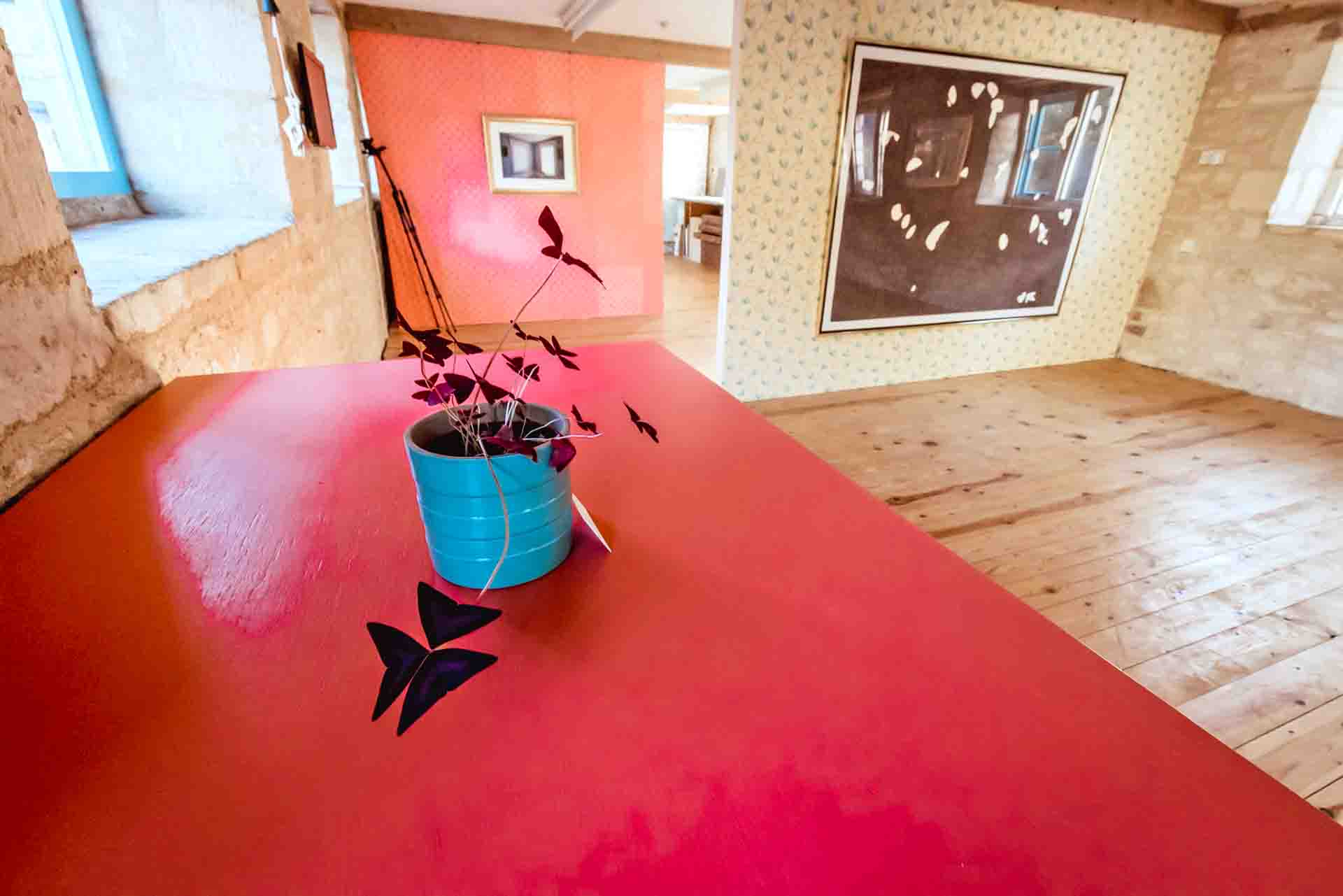
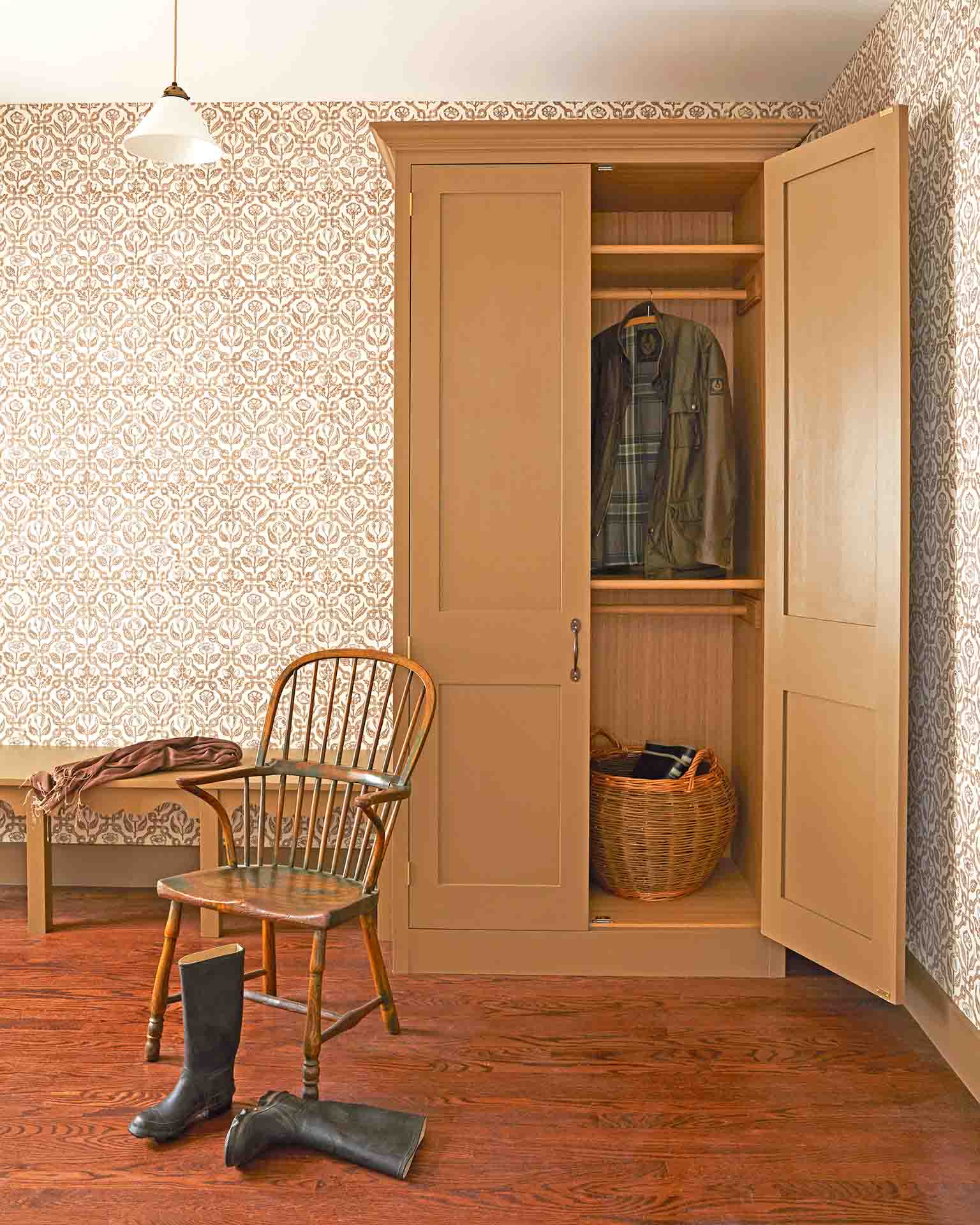
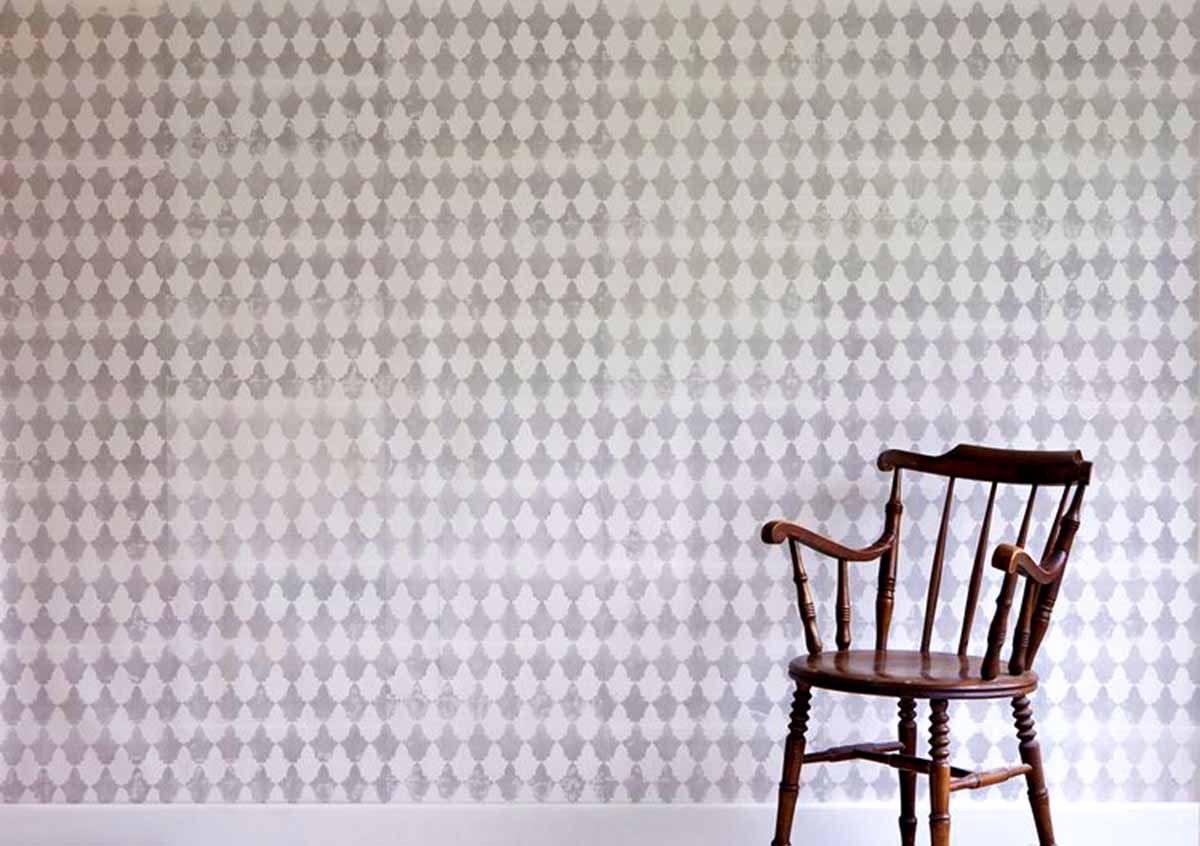
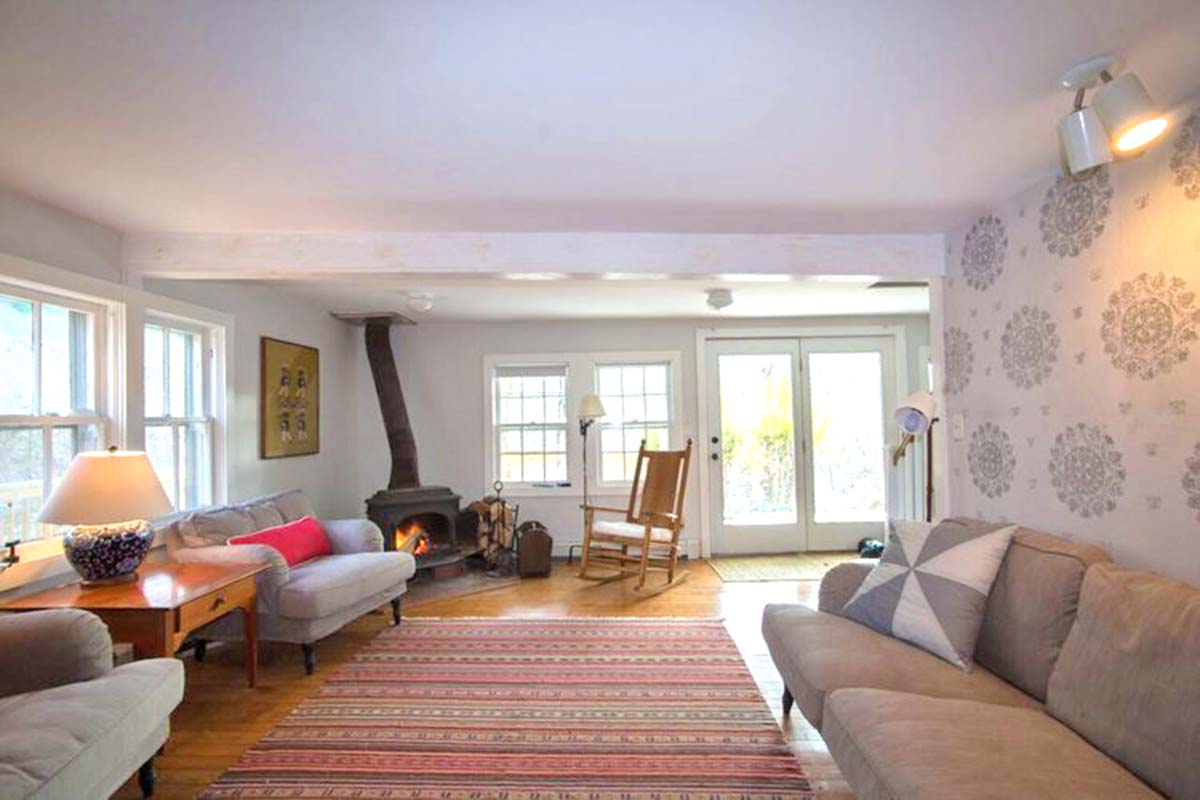
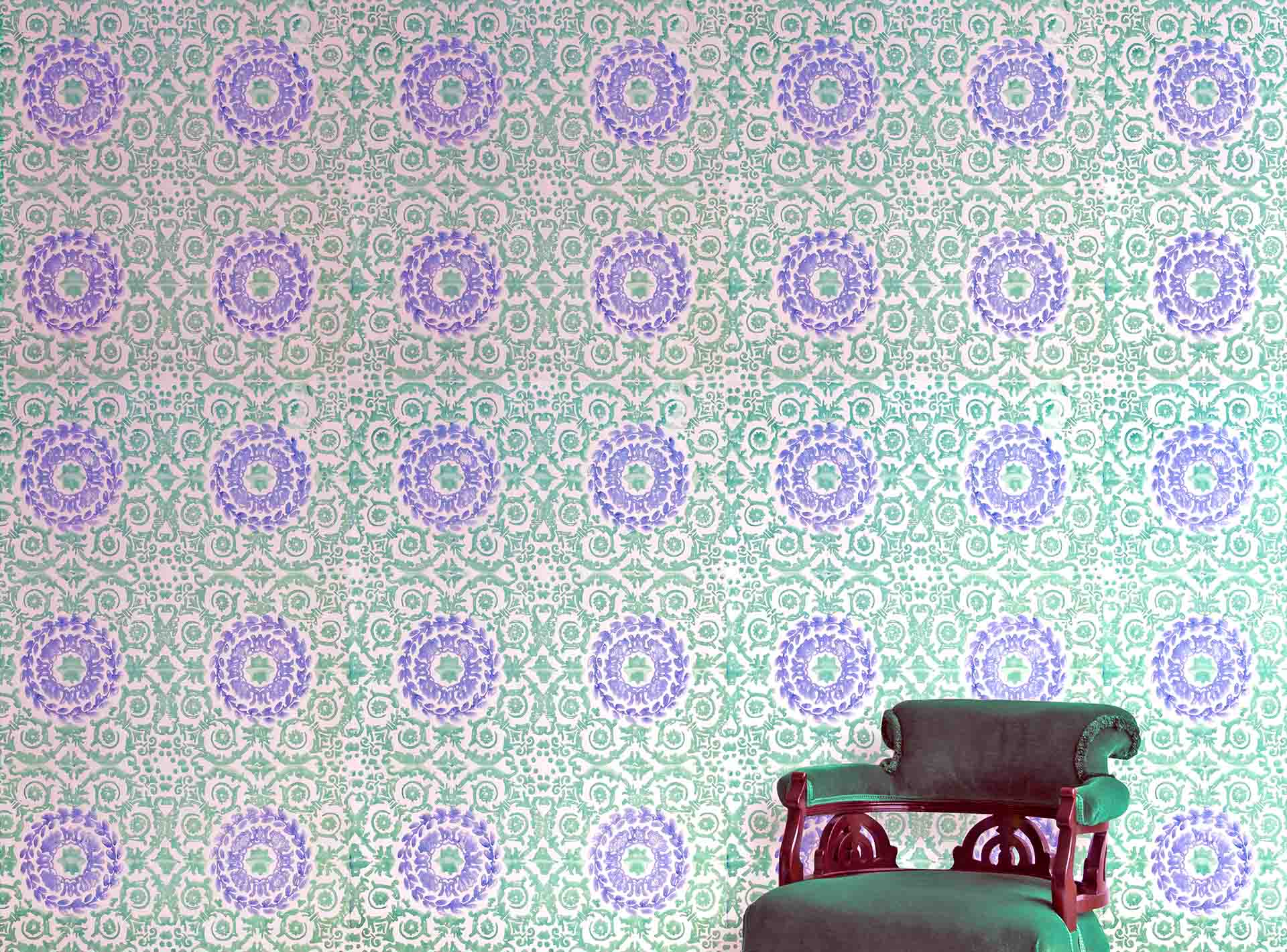
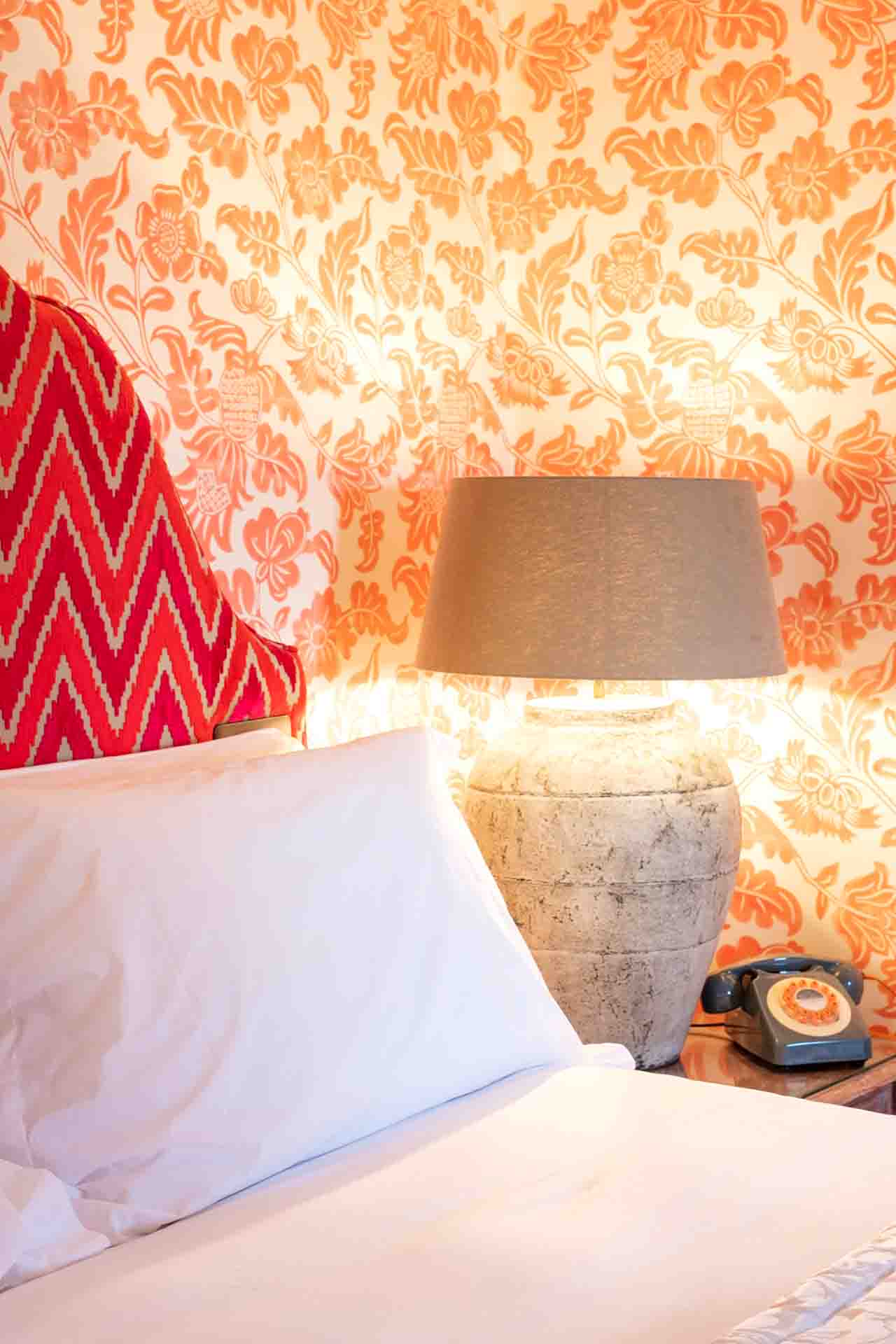
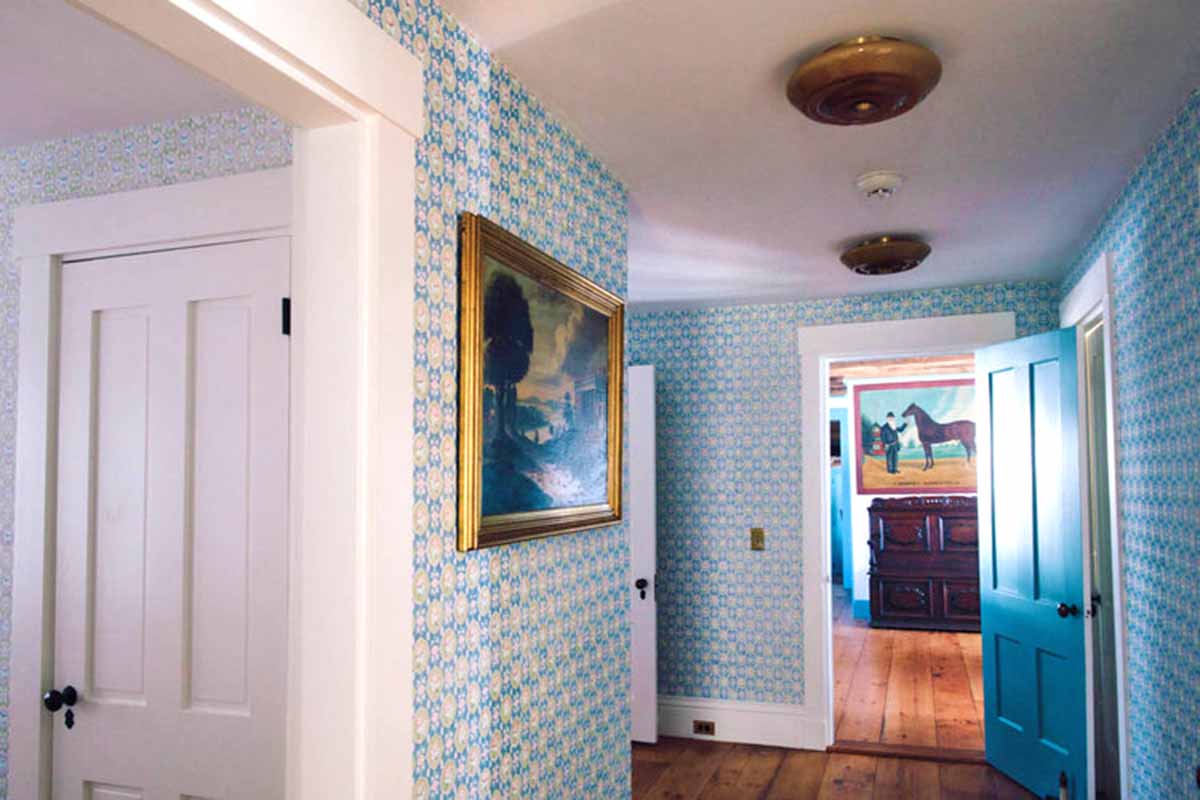
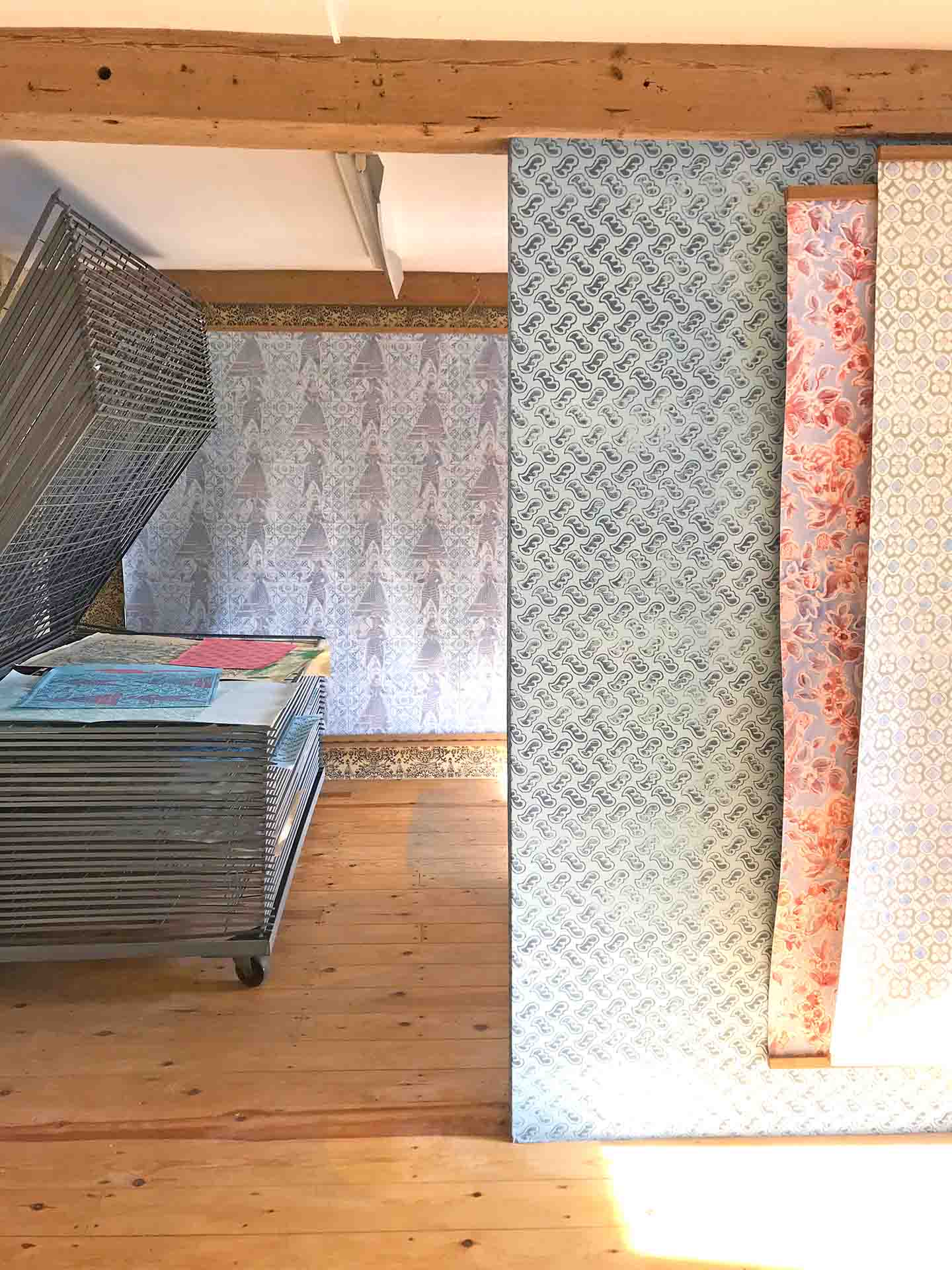
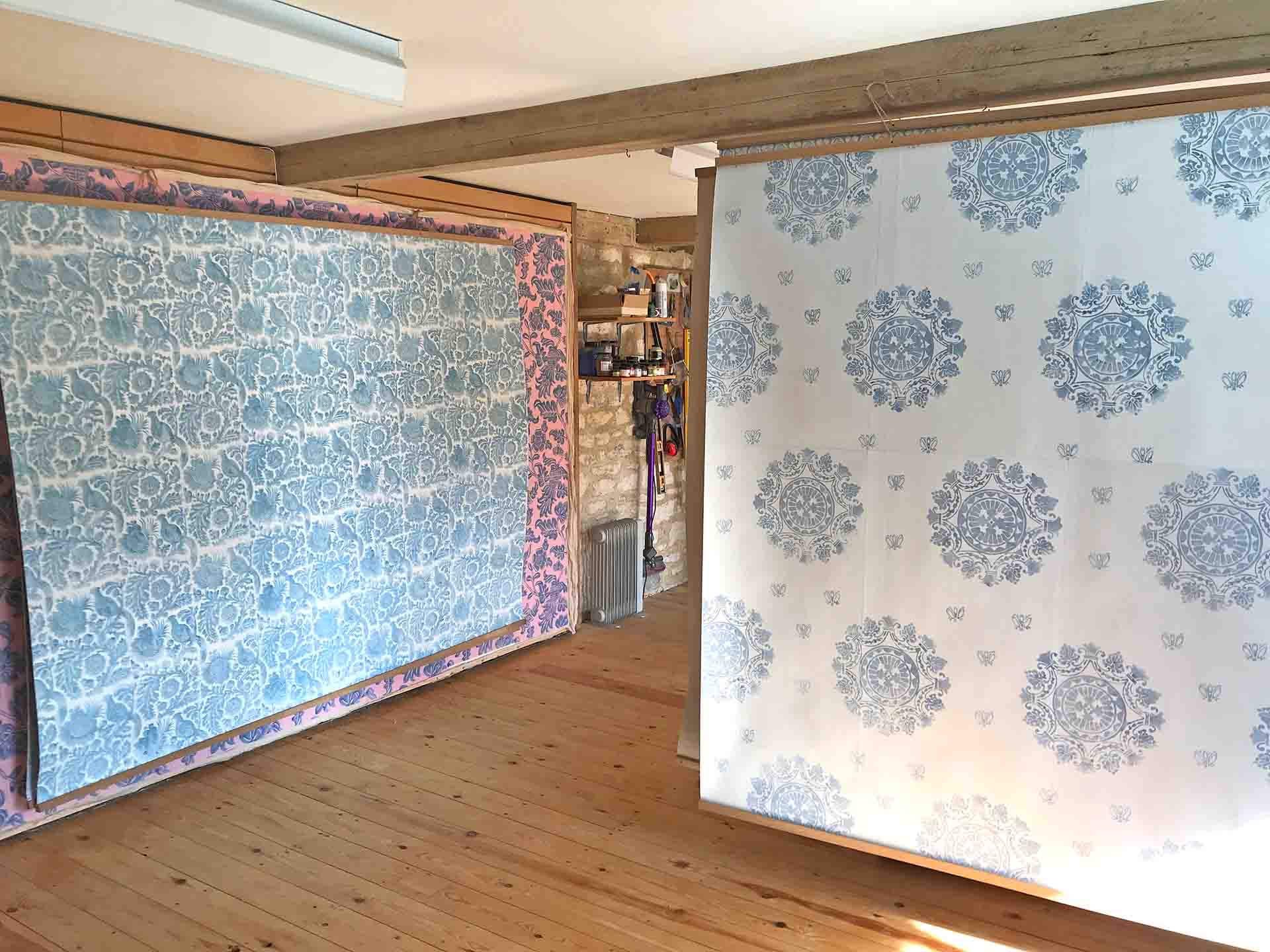
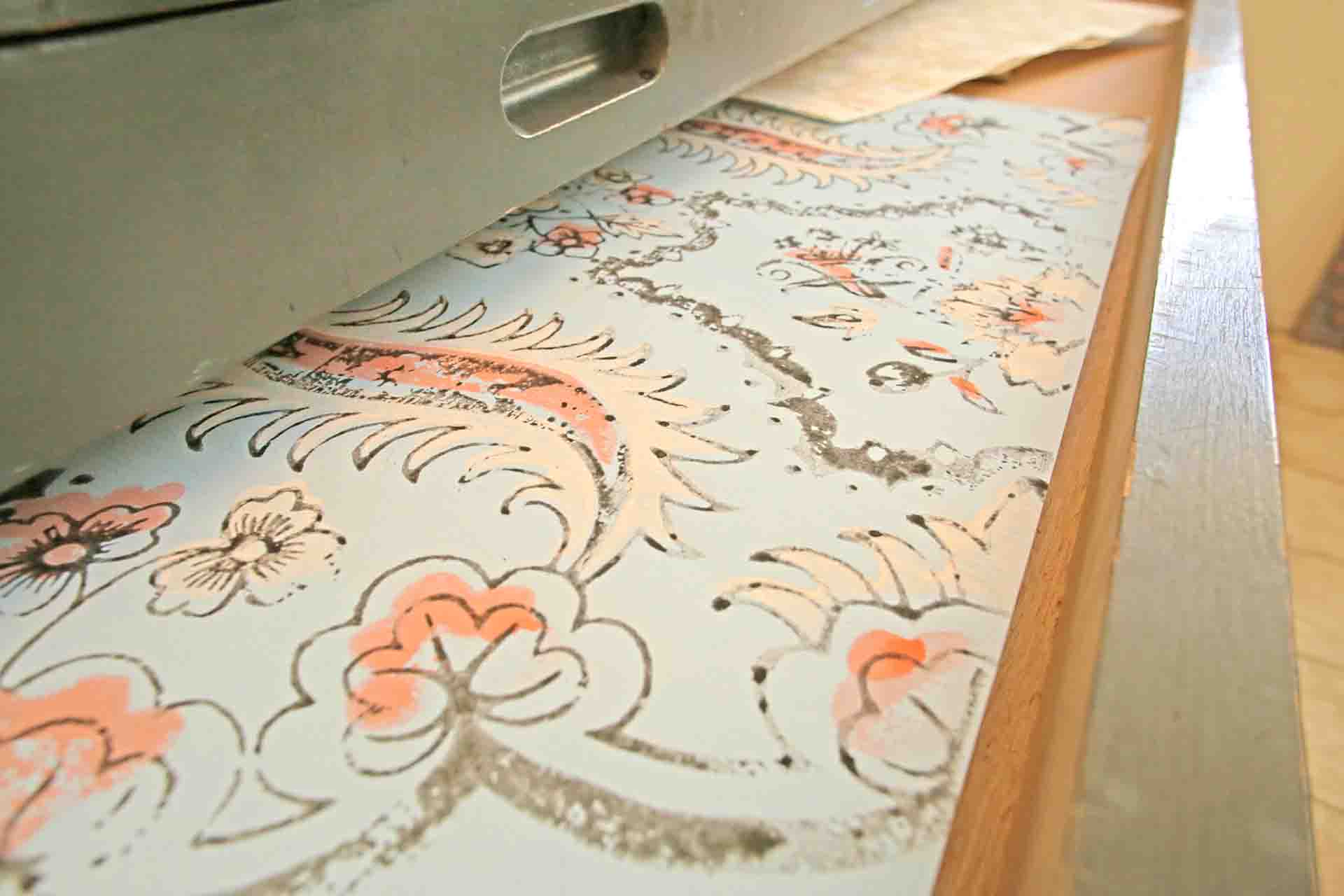
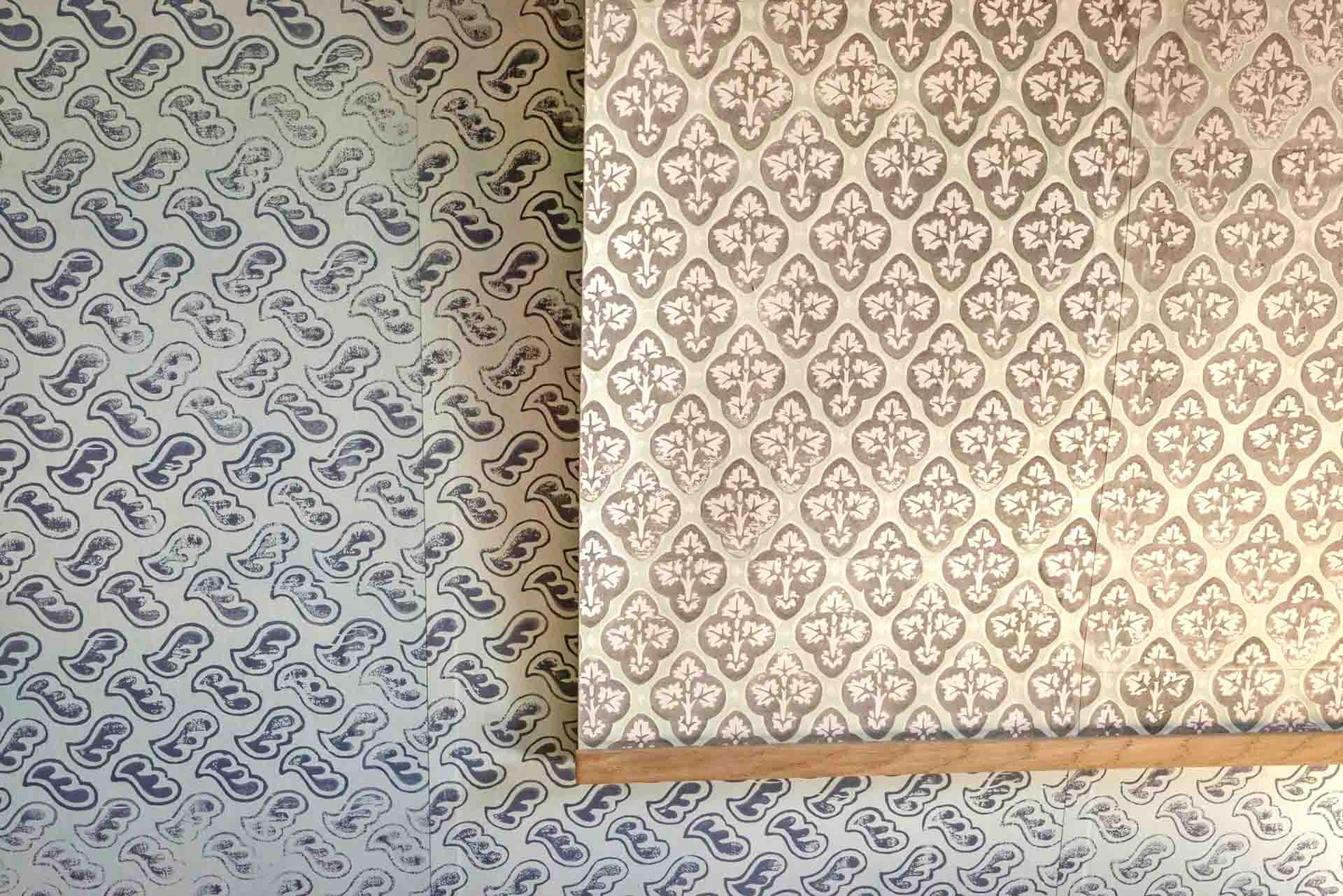
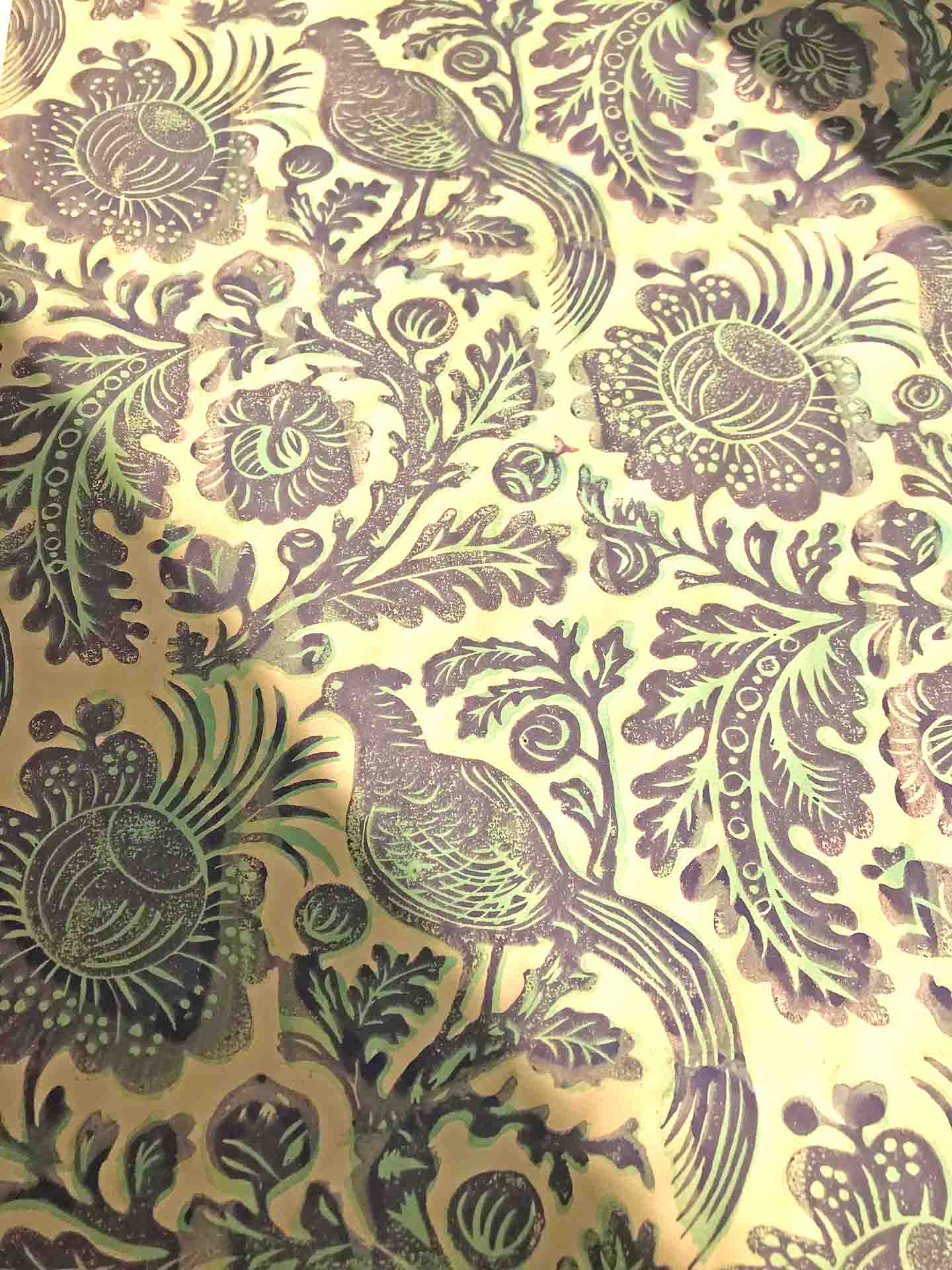
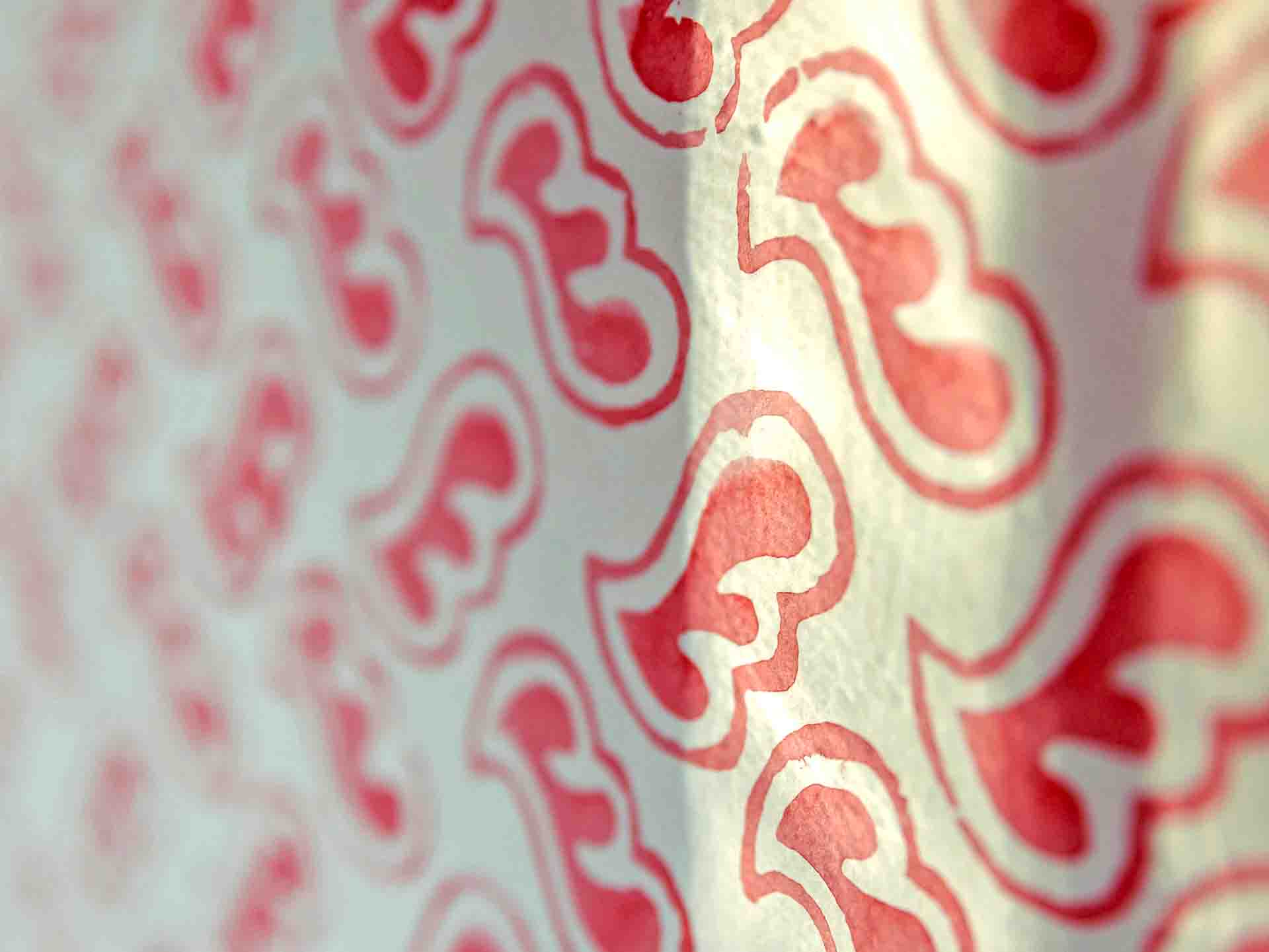
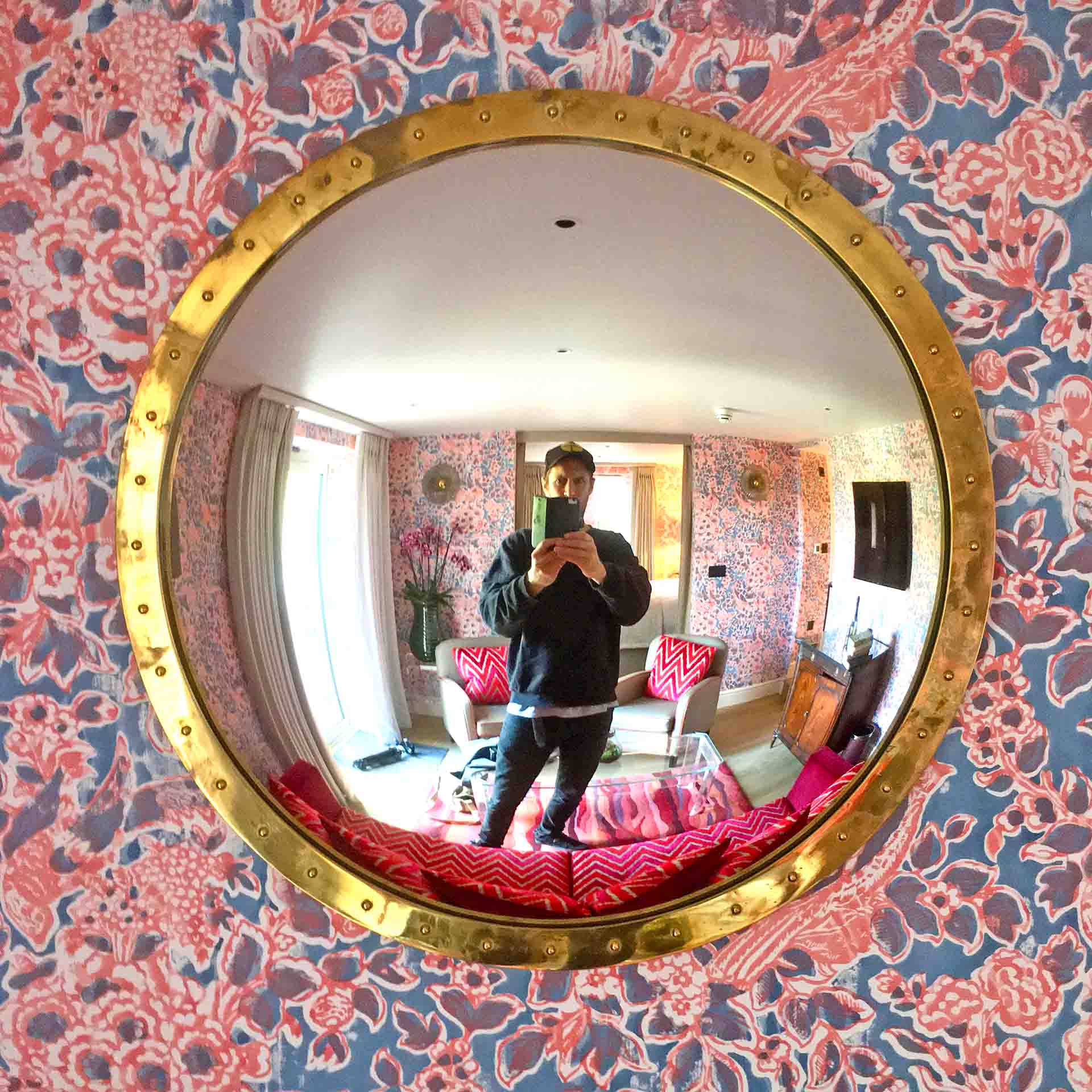
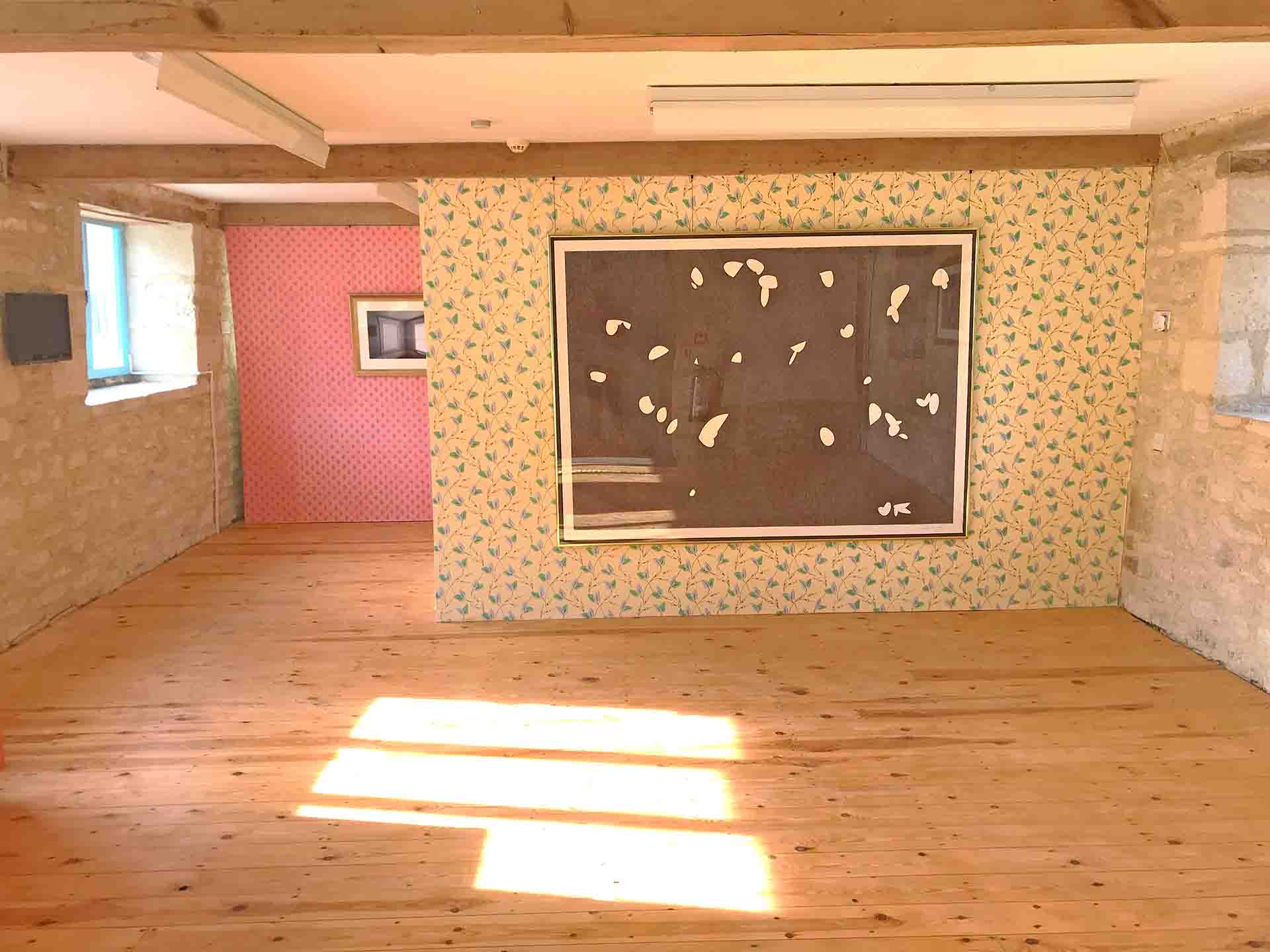
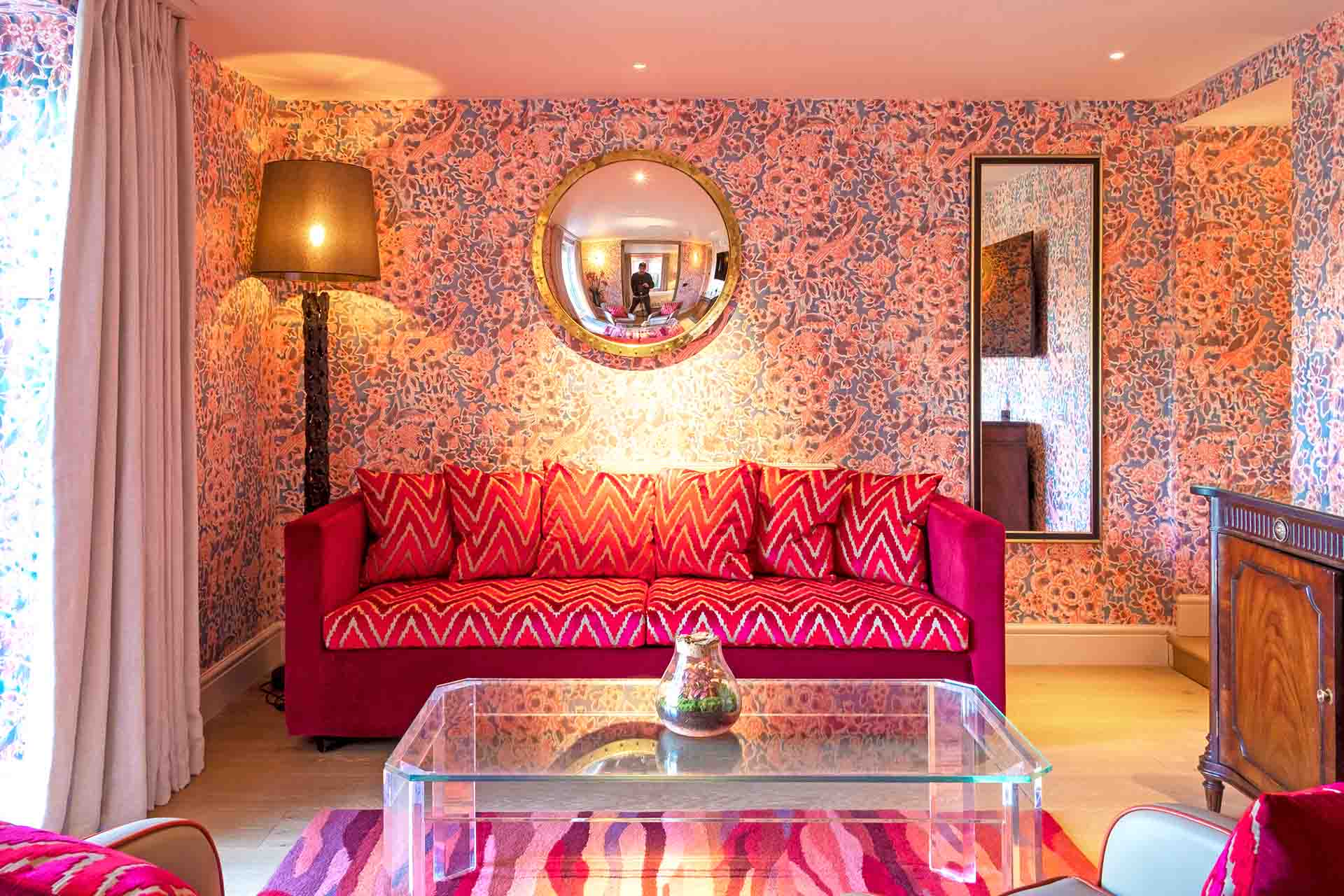
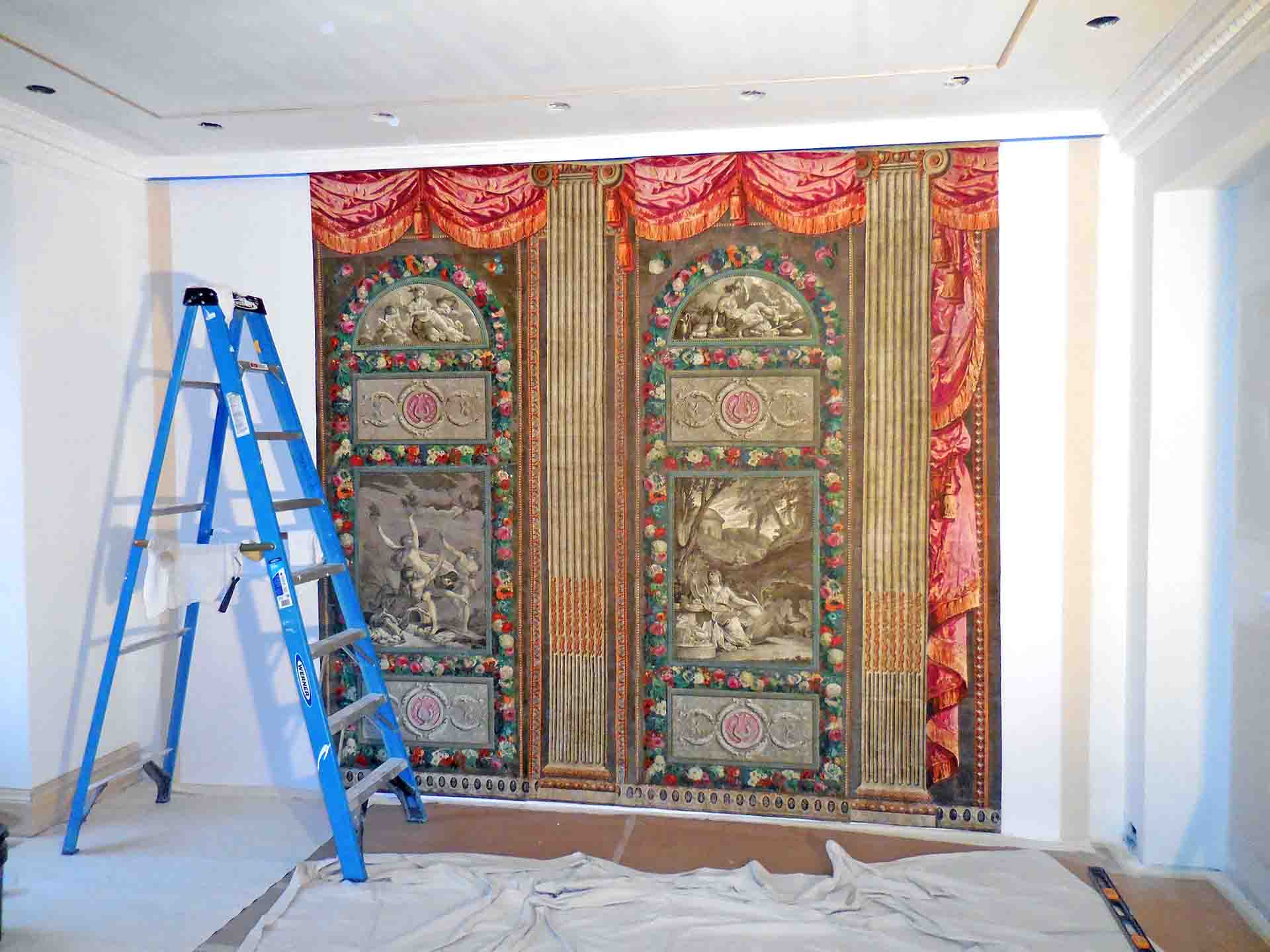
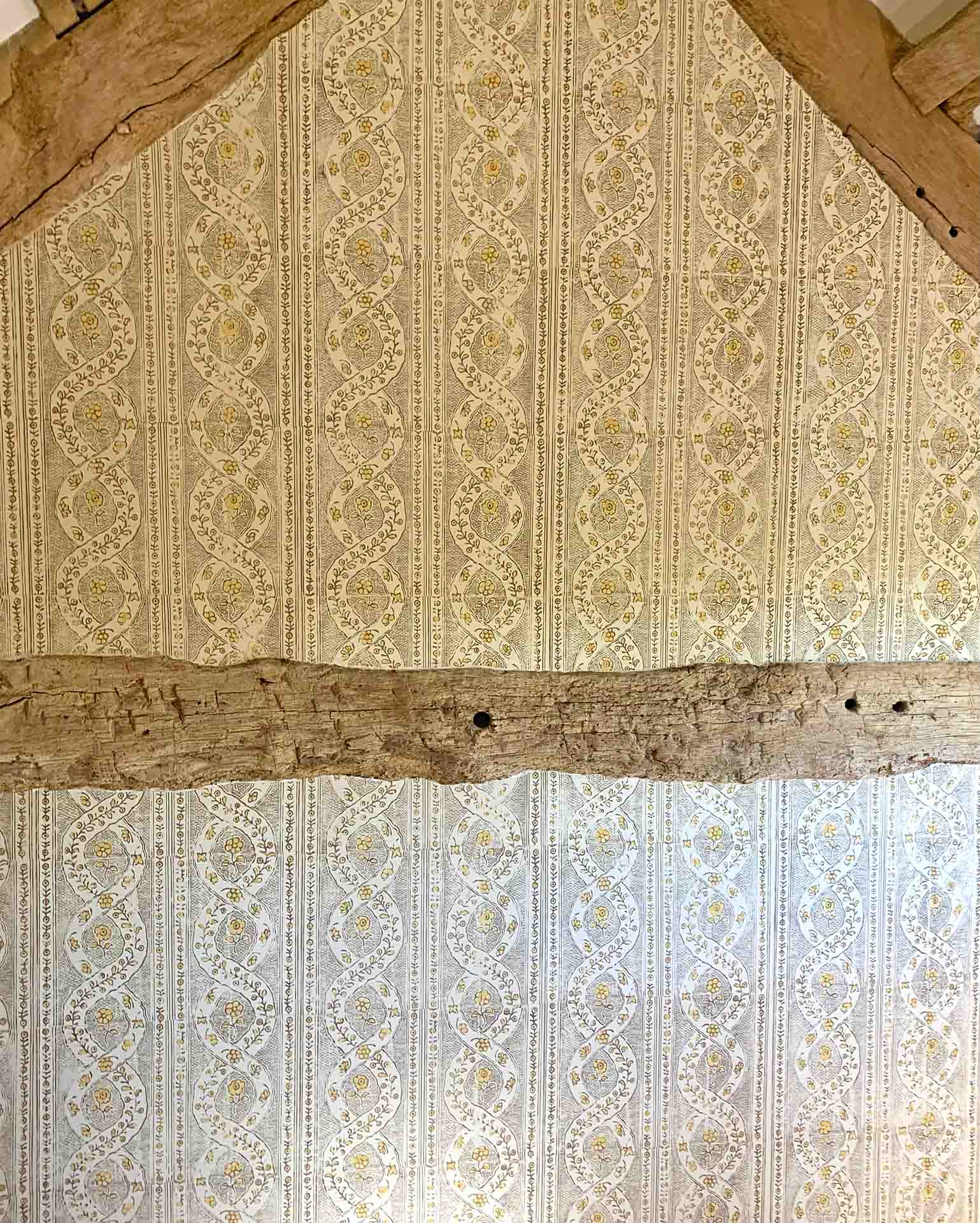
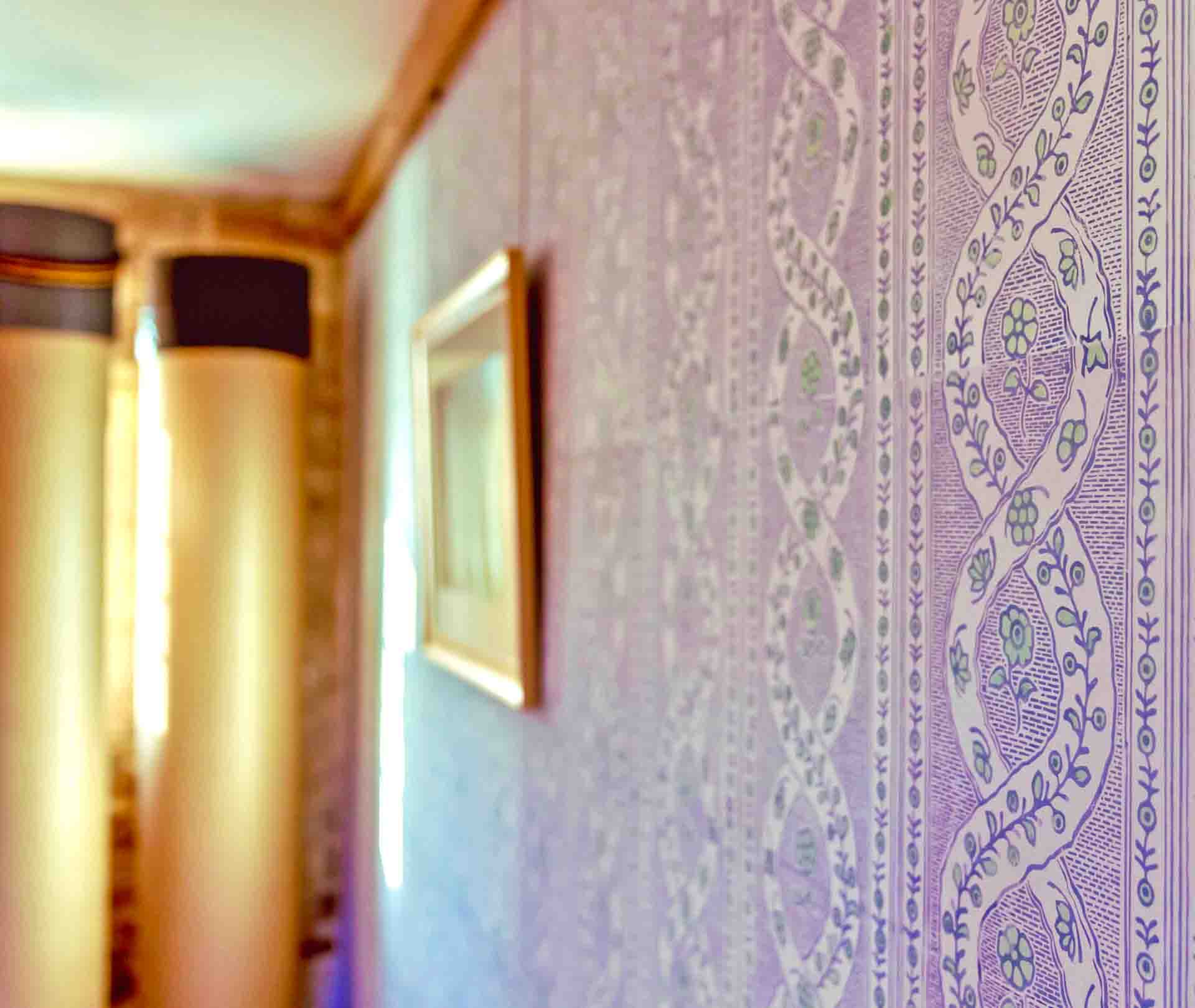
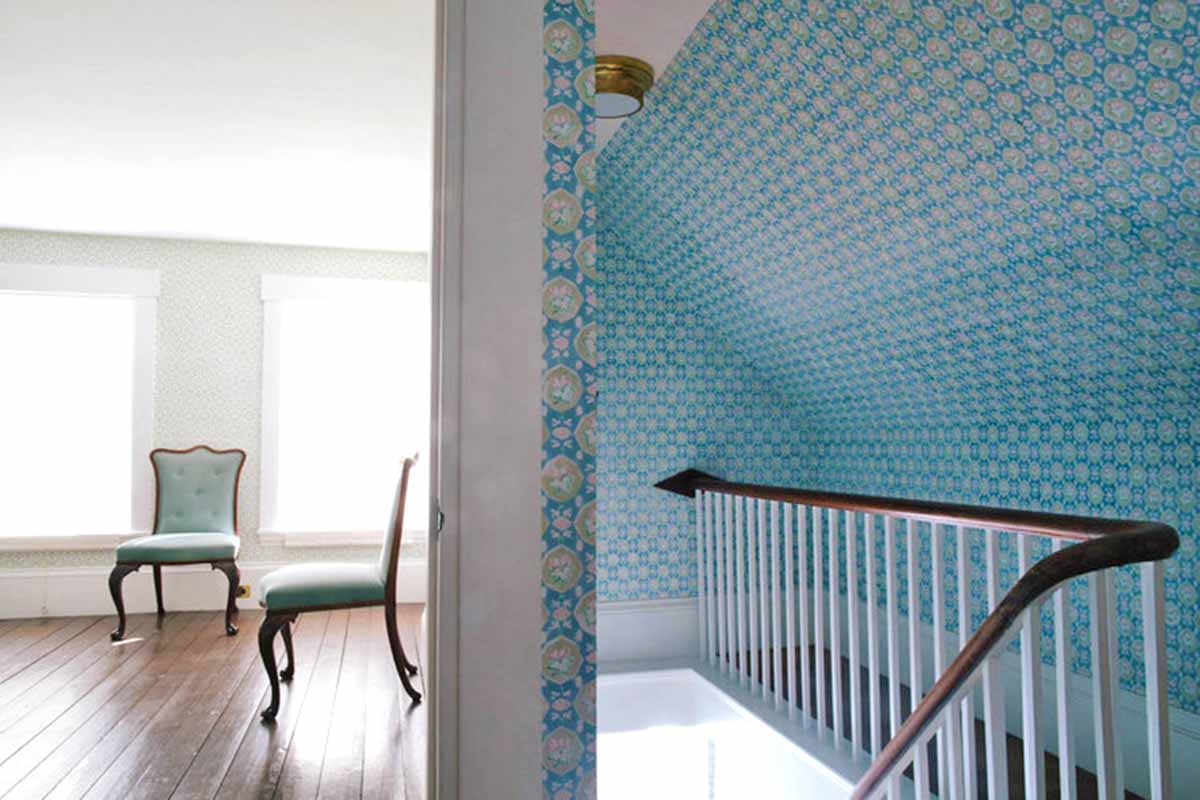
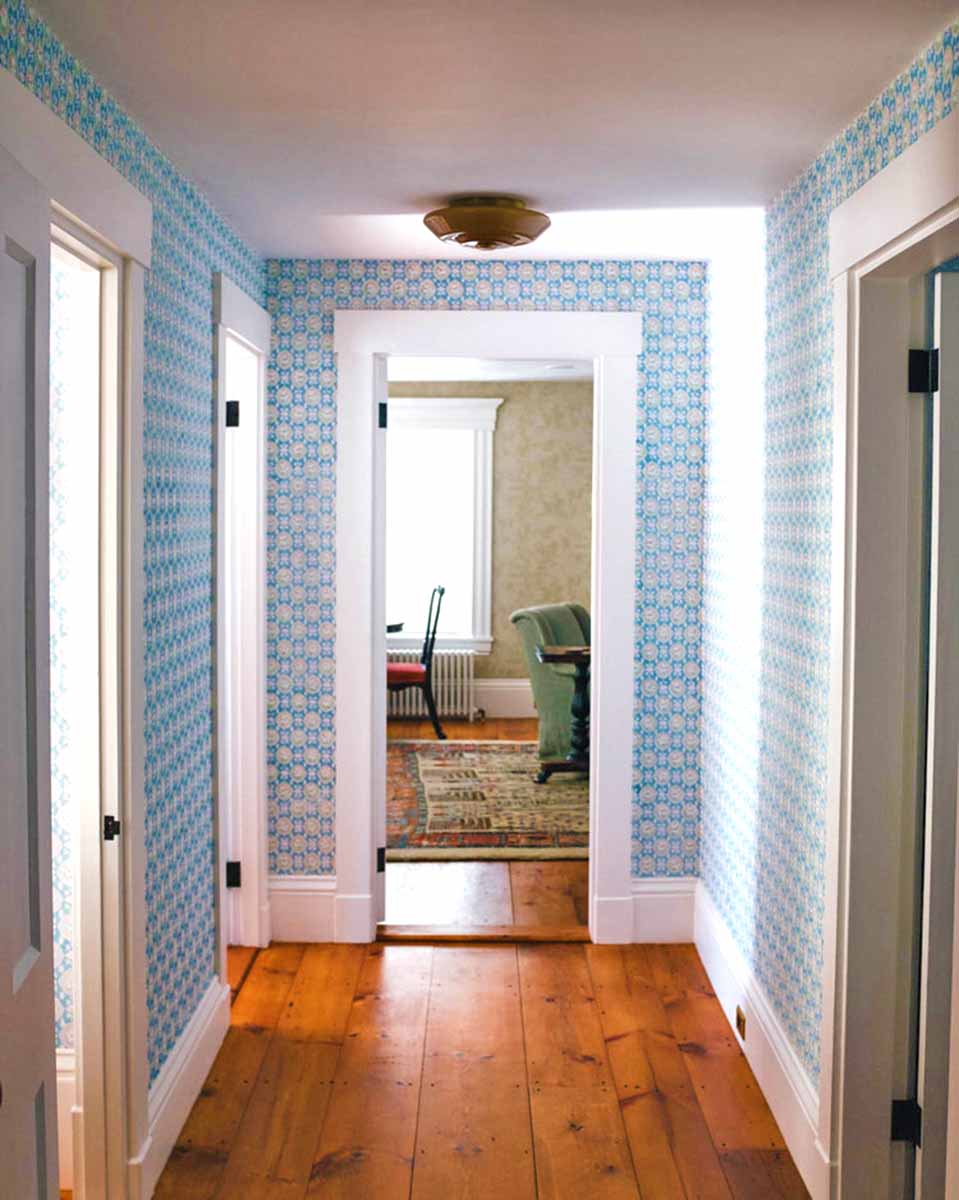
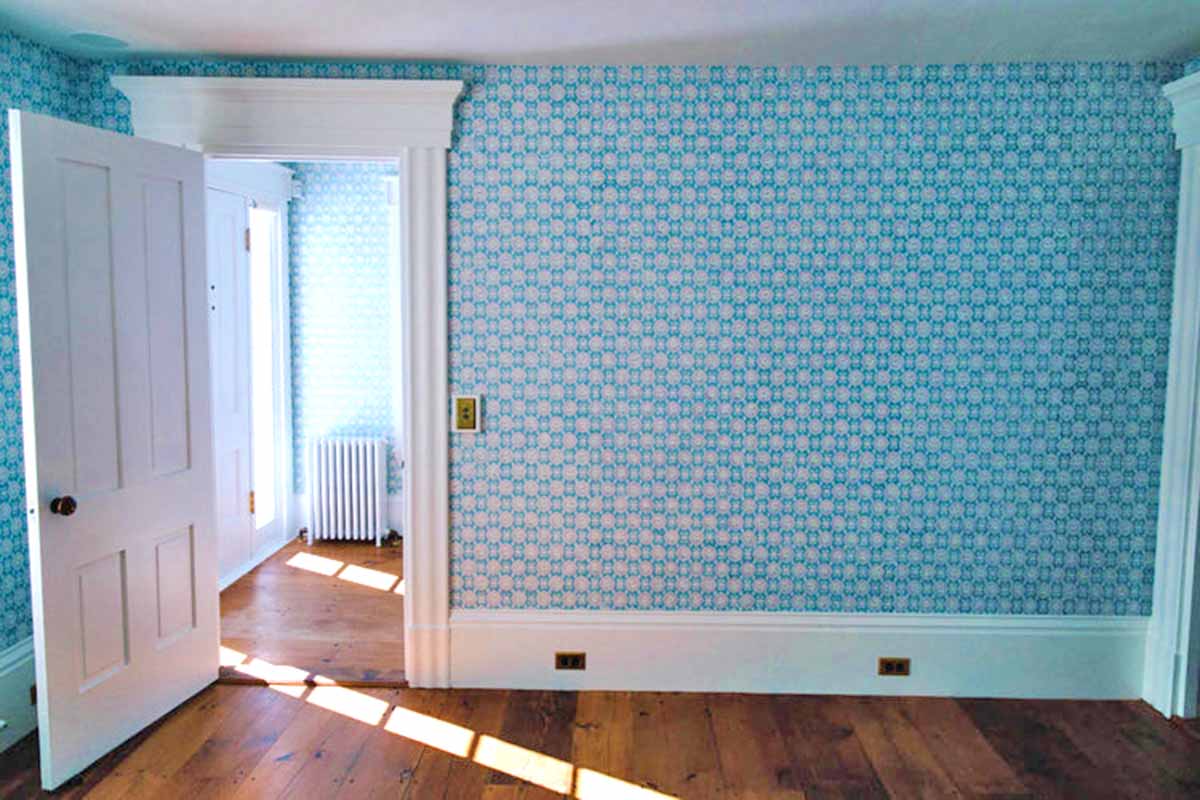
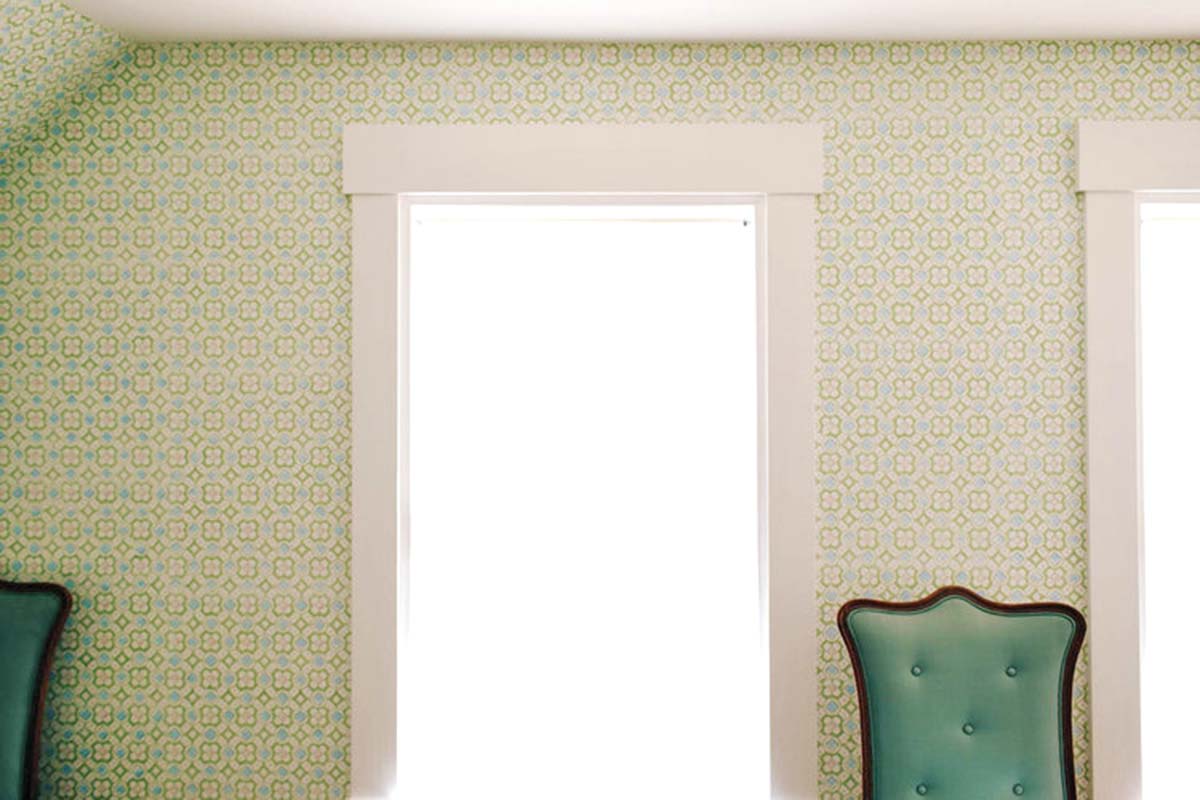
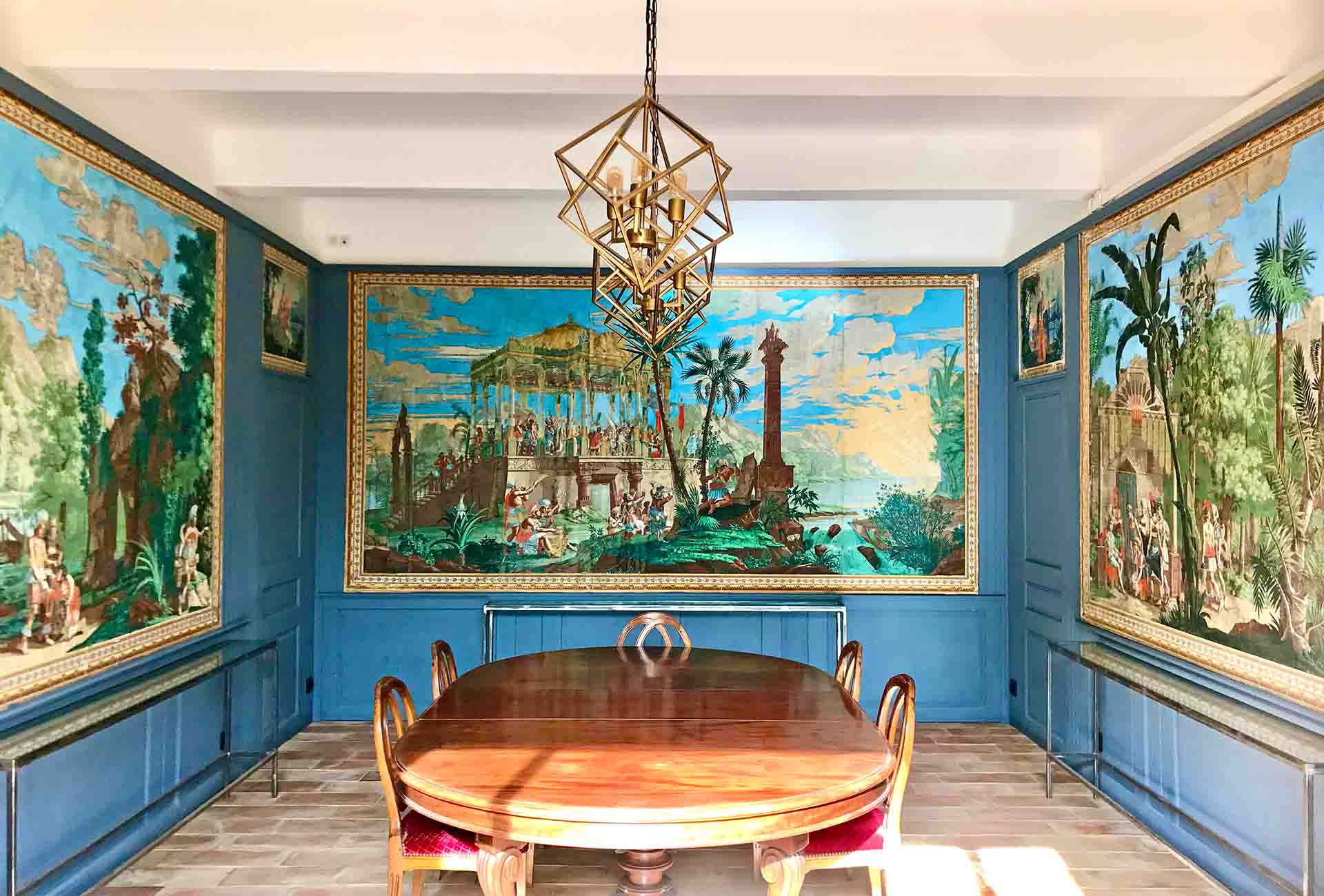
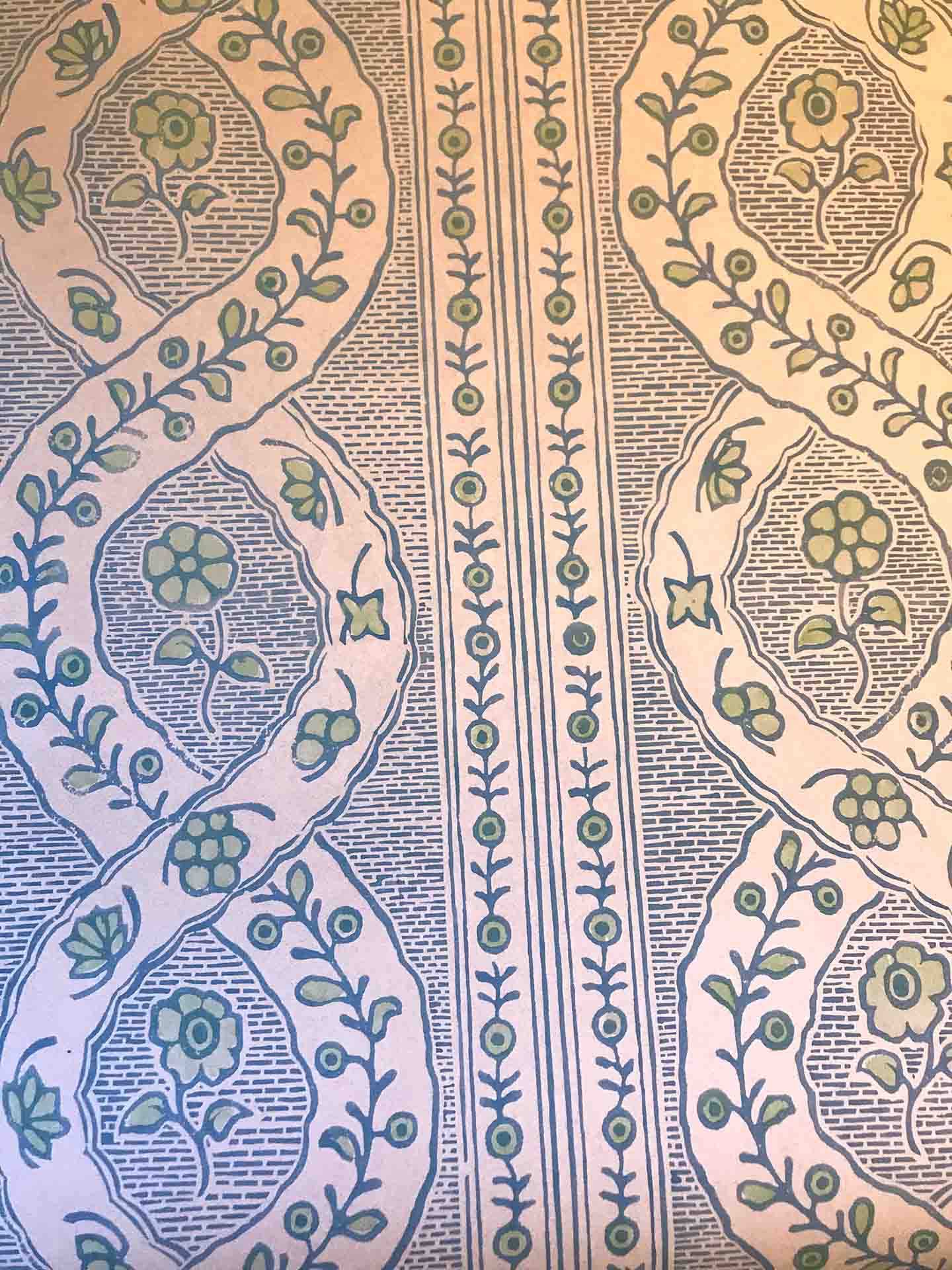
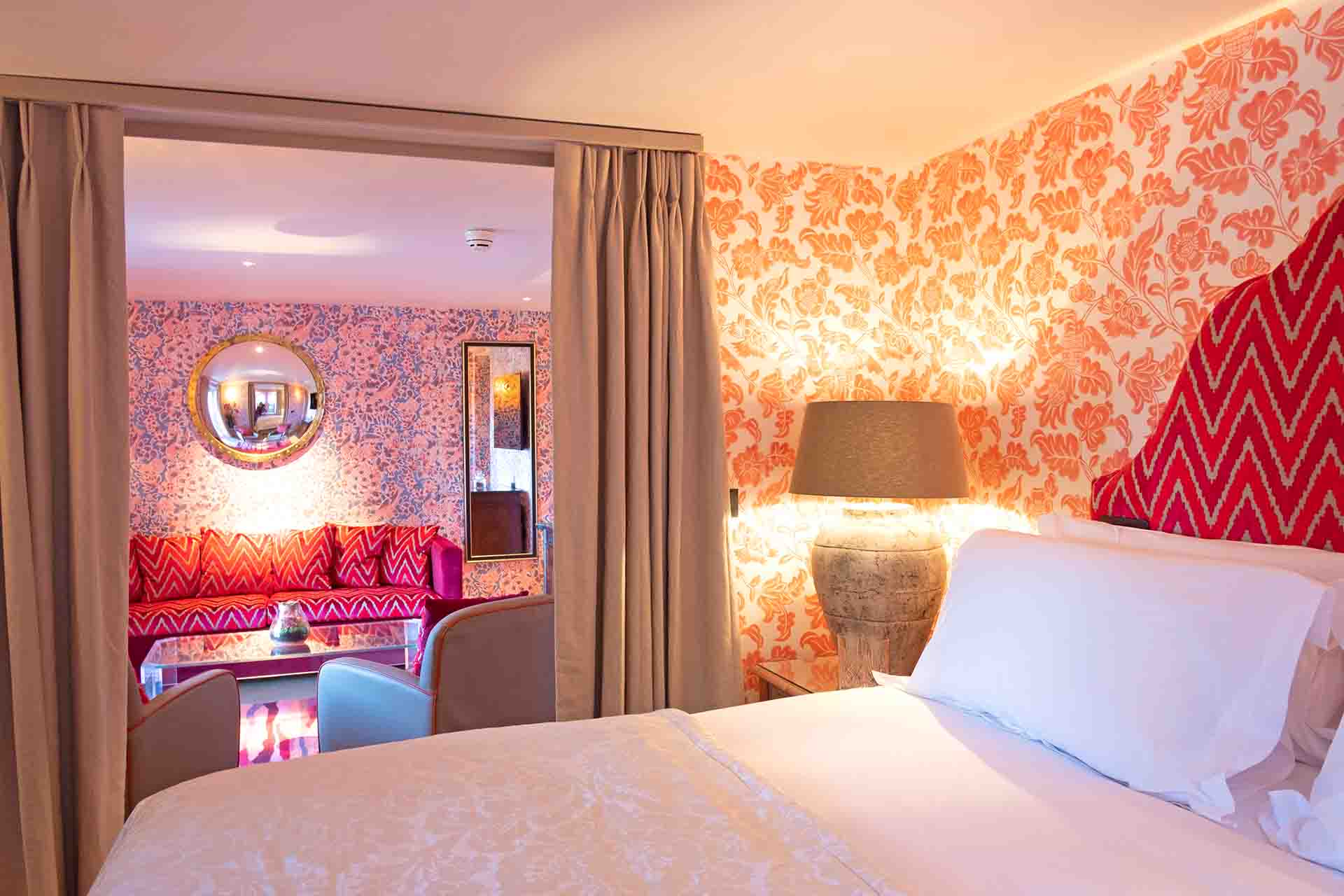
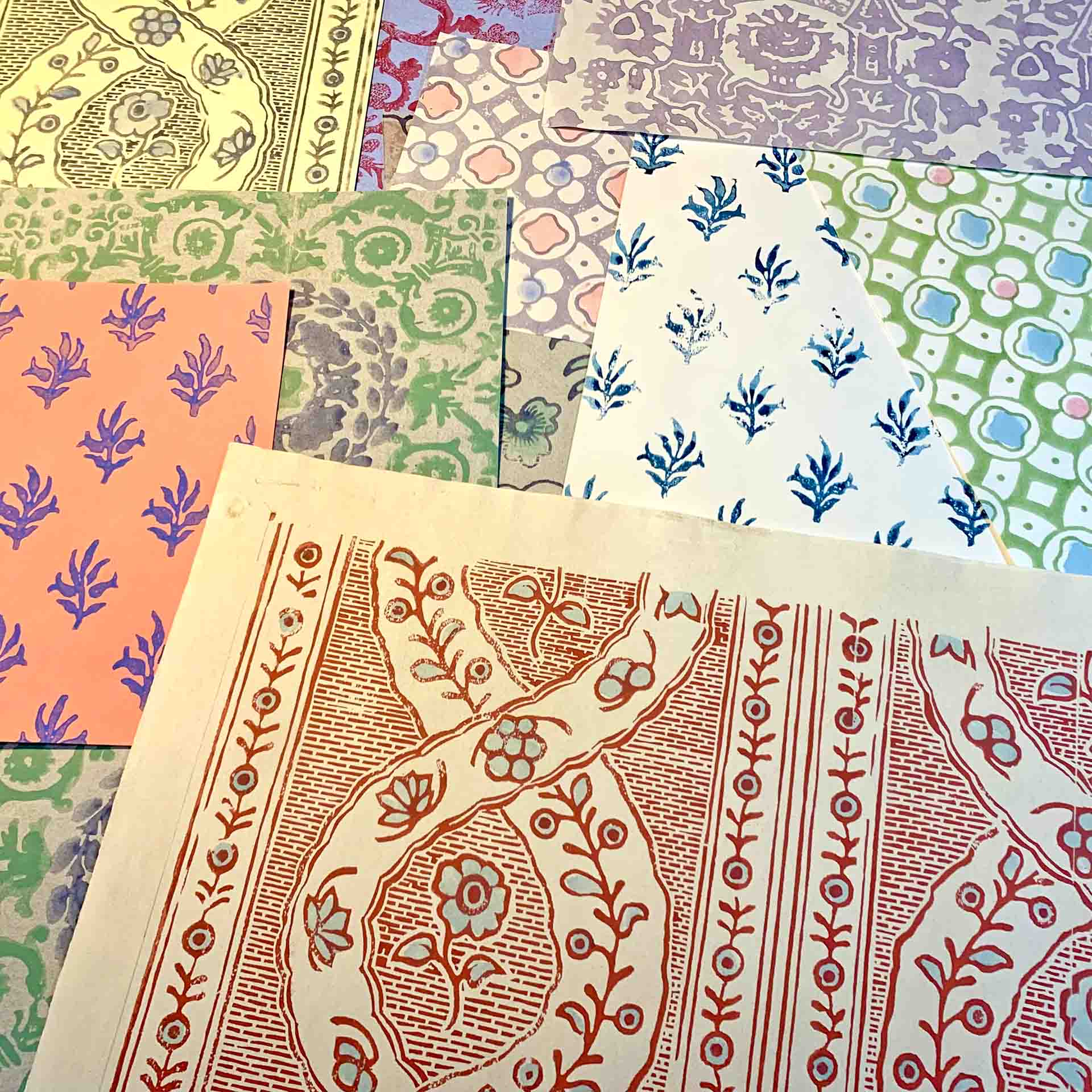
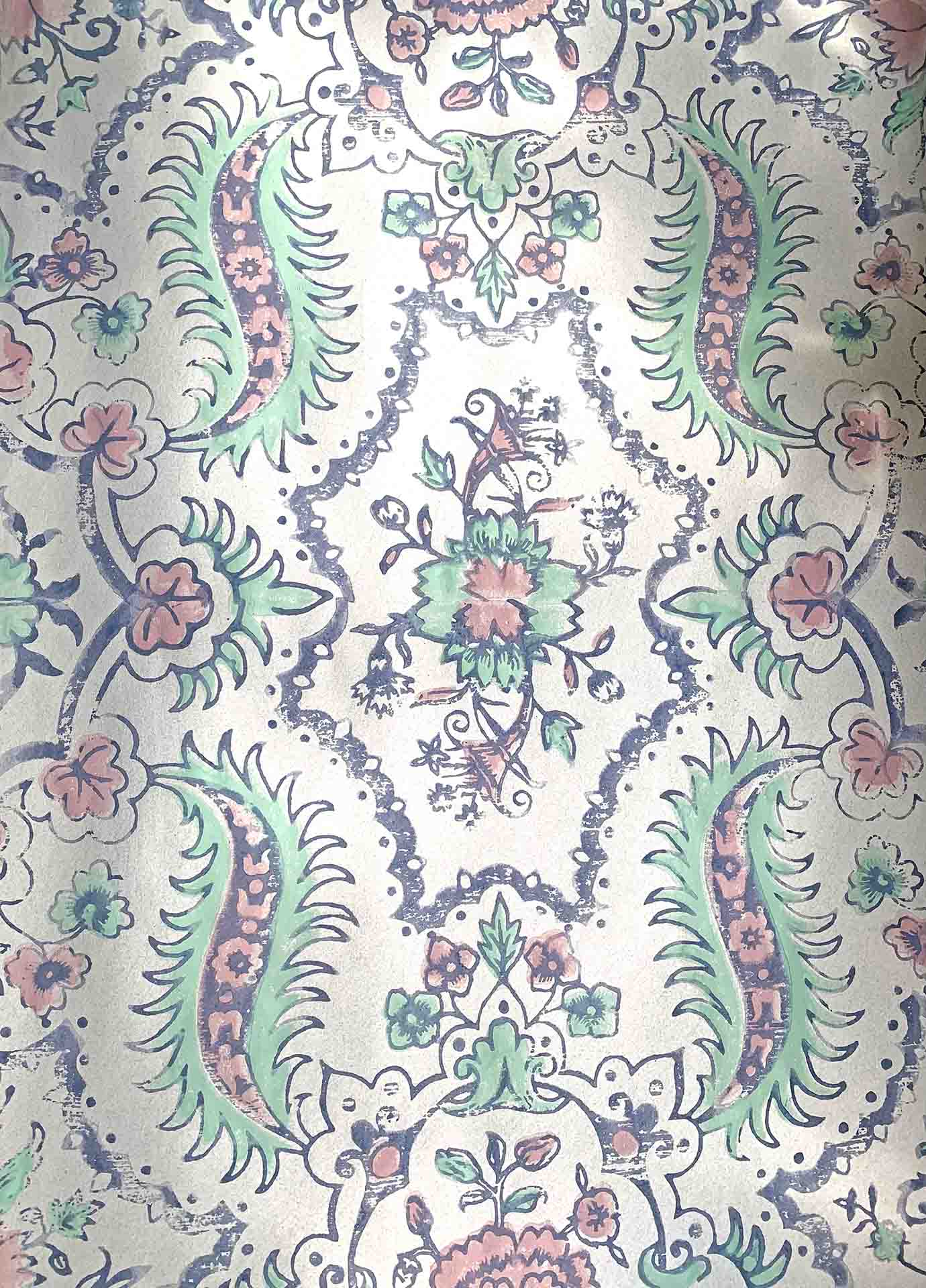
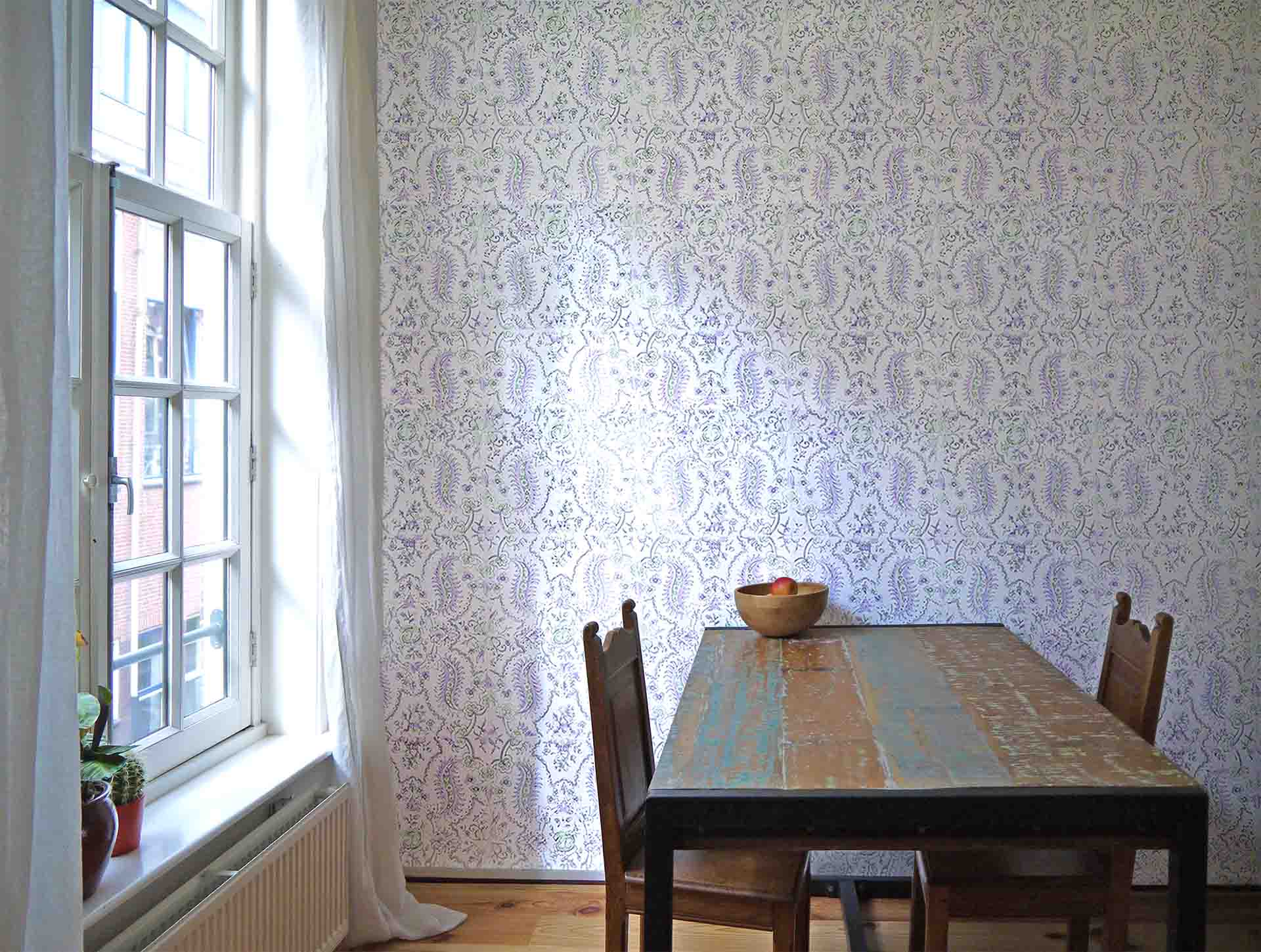
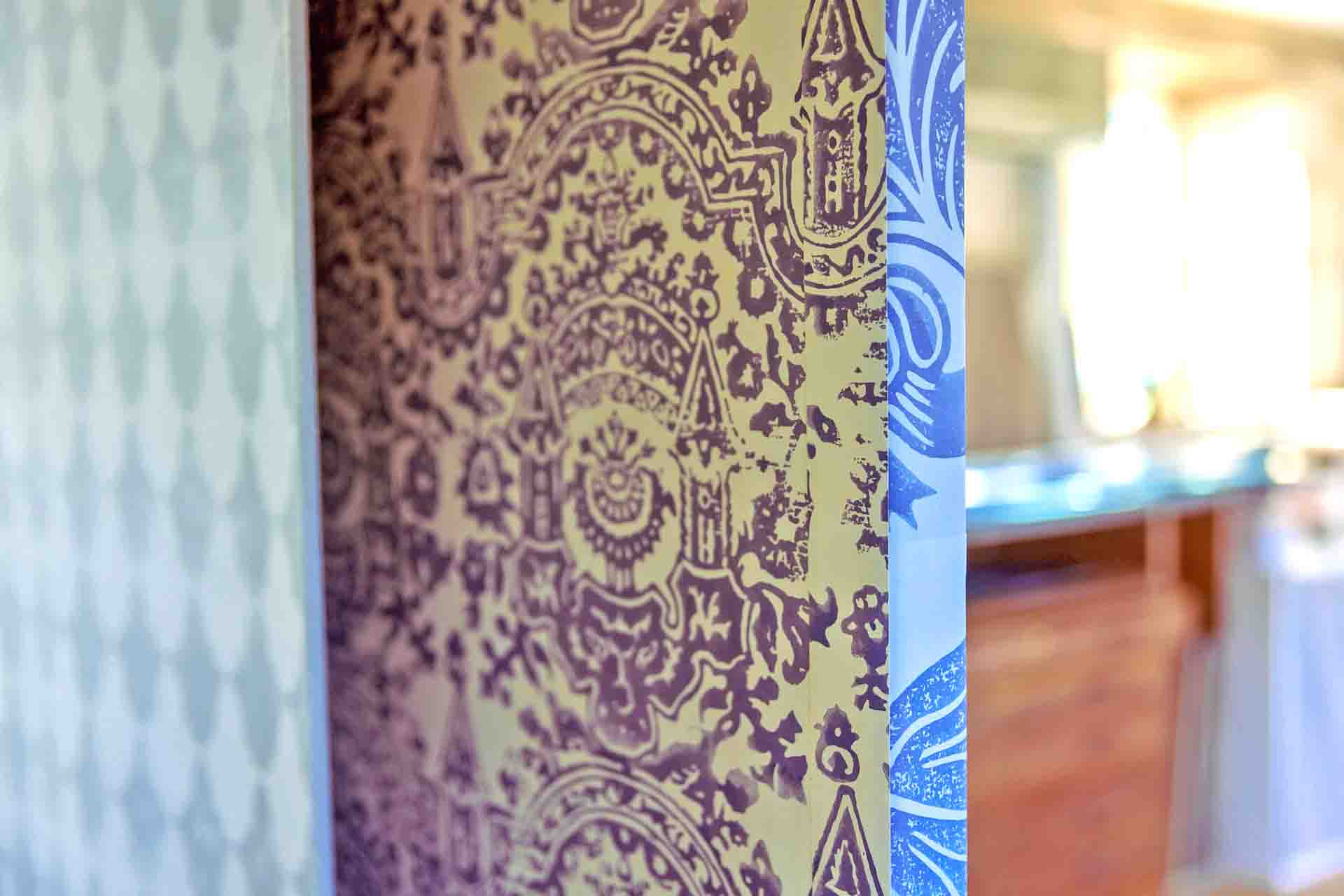
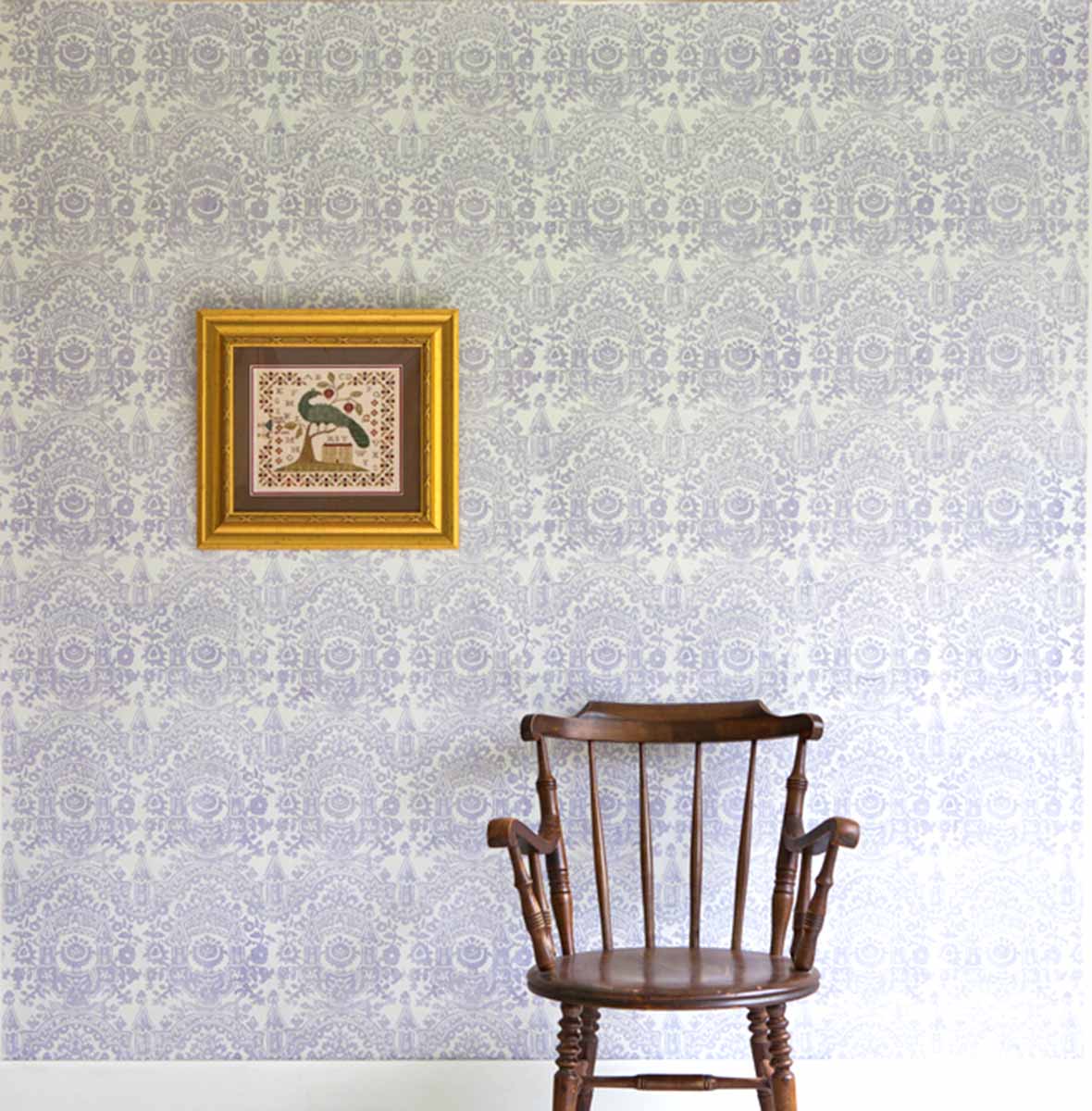
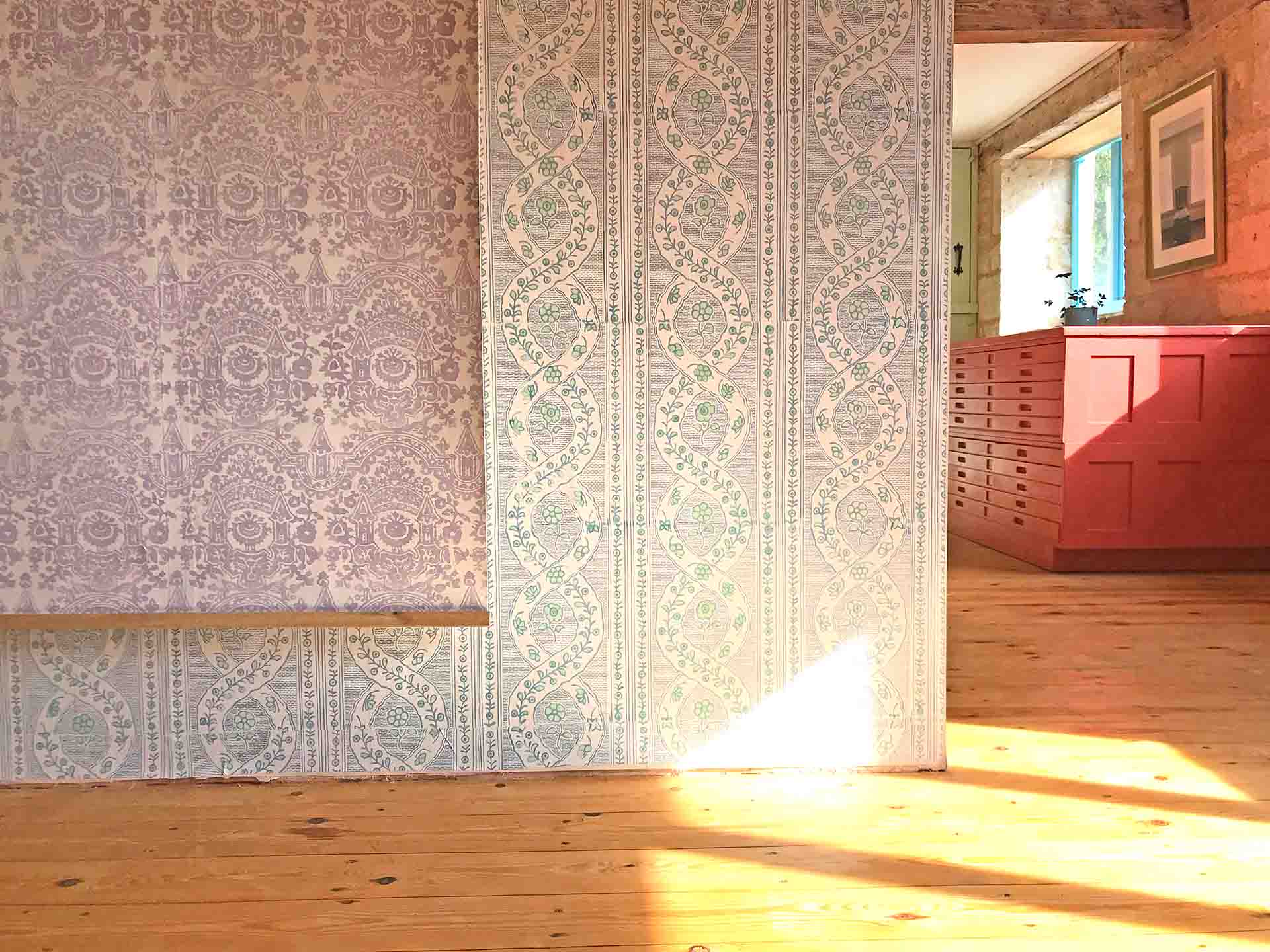
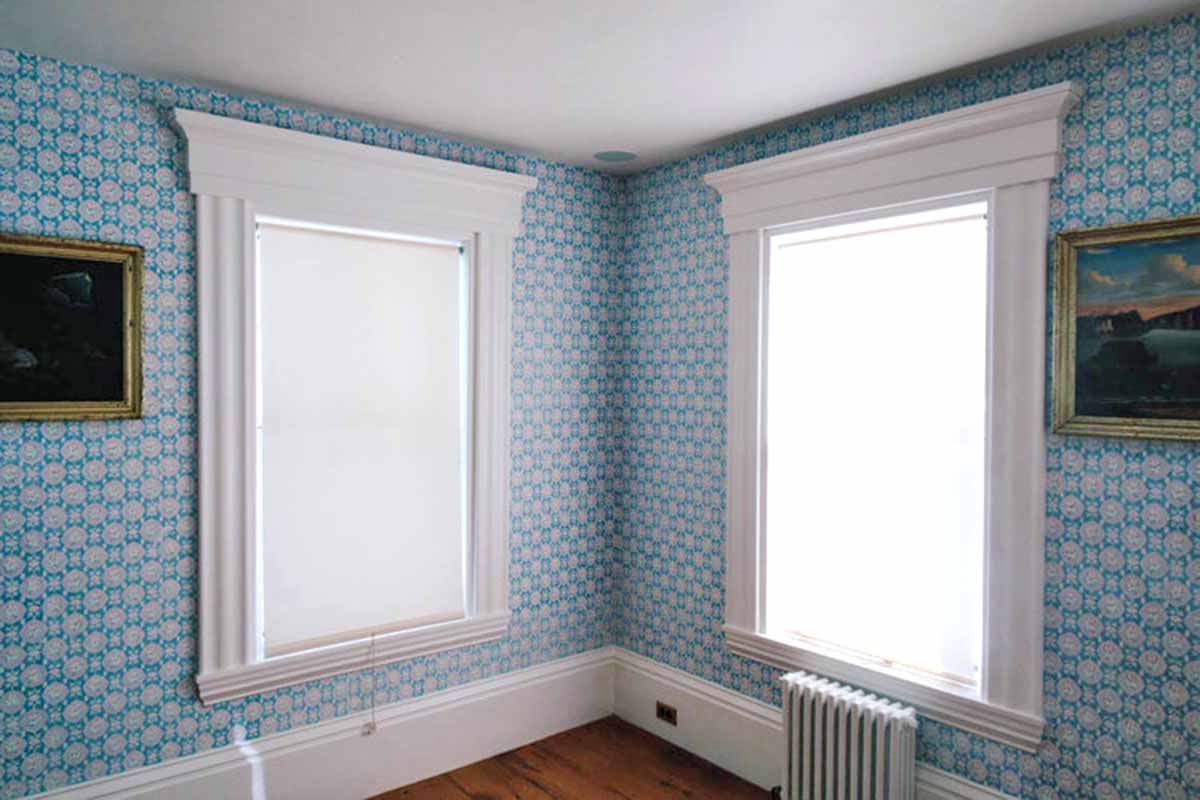
This gallery showcases the authentic hand made wallpaper collection produced by James Randolph Rogers in his Cotswolds workshop. Each image documents either a completed historic wallpaper reproduction, the traditional block printing process, or the workshop tools and materials that enable authentic pre-1830s domino paper manufacture. The collection represents over a decade of research and craftsmanship, recreating Georgian, Regency, and Federal period wallpapers using techniques unchanged since the late 18th century.
The gallery is organised into three sections: finished wallpaper designs showing the range of patterns from delicate florals to bold geometrics; workshop processes documenting each stage of traditional block printing from hand-carved pear wood blocks to oar press printing; and studio details revealing the historic tools, natural pigments, and materials essential to authentic domino wallpaper production.
The Wallpaper Collection
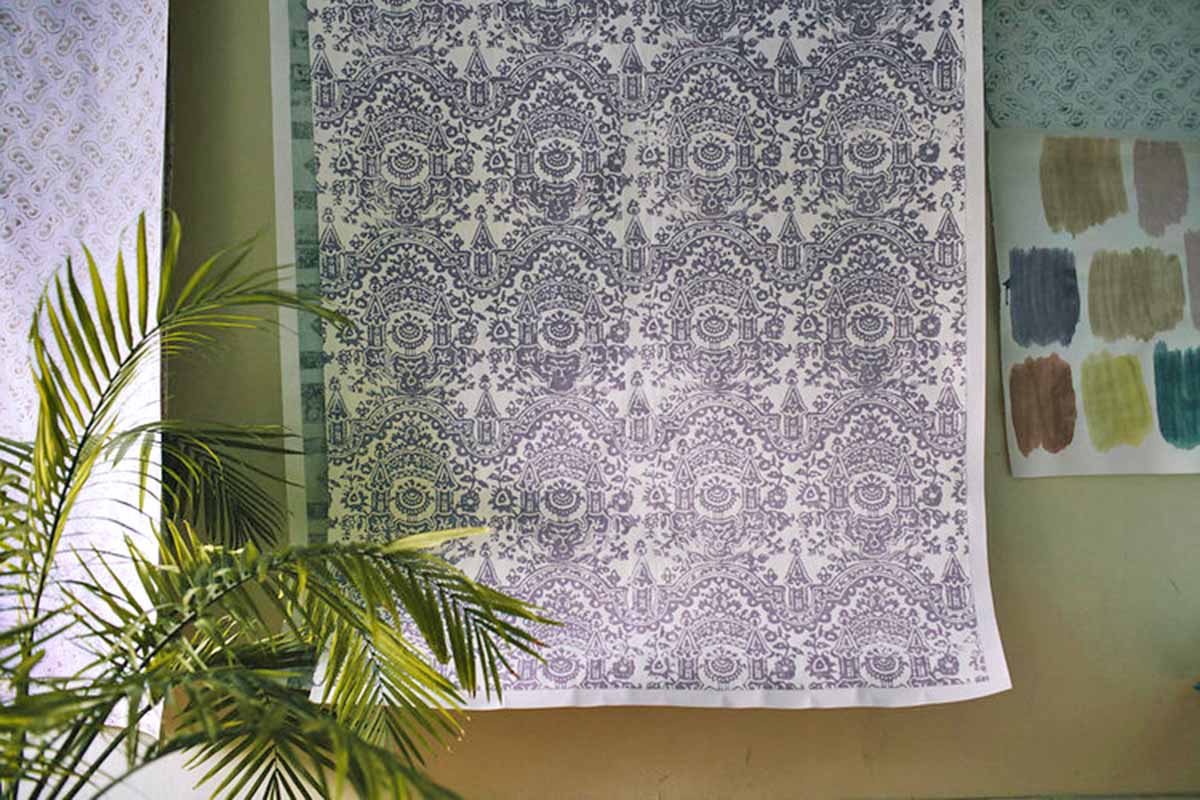
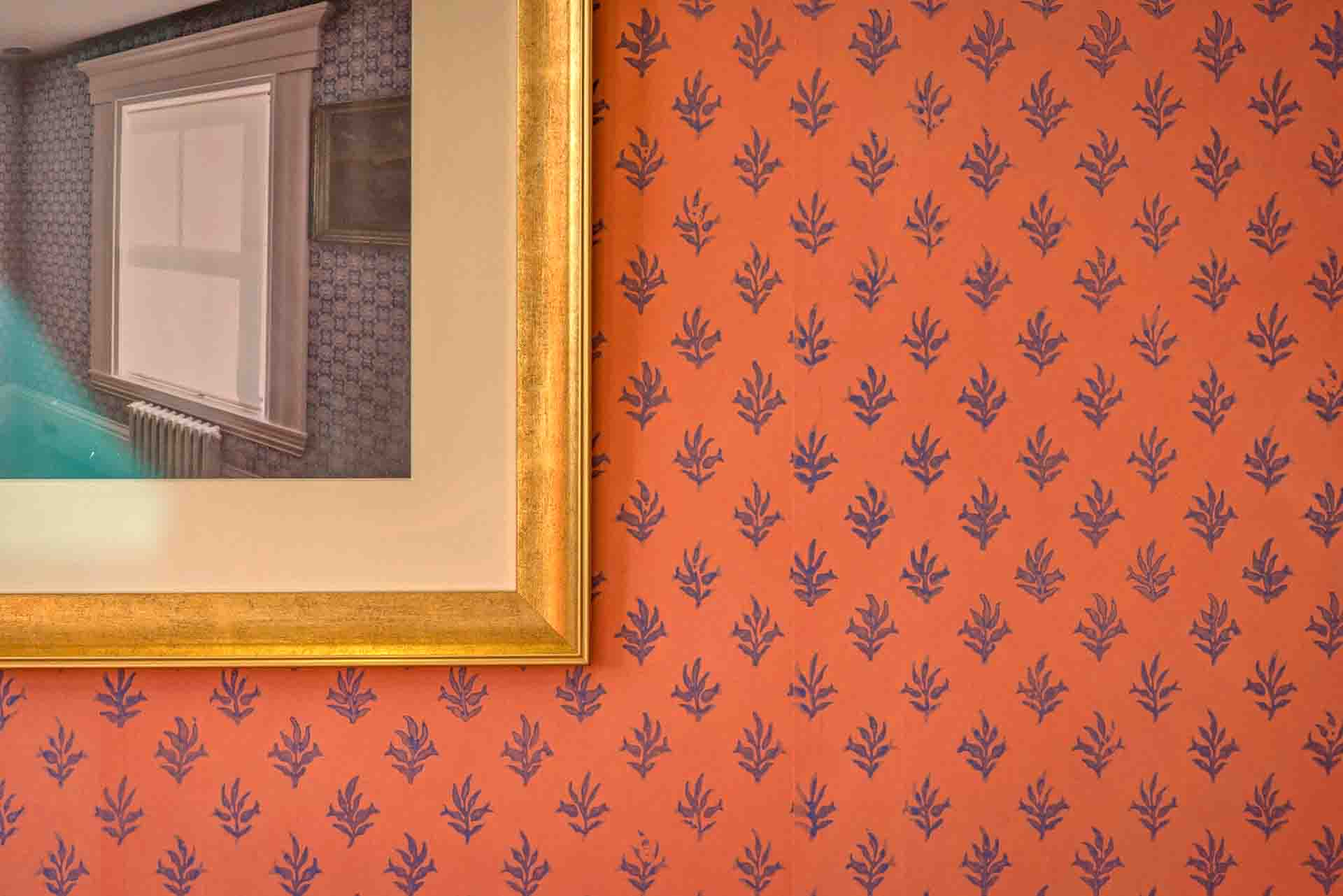
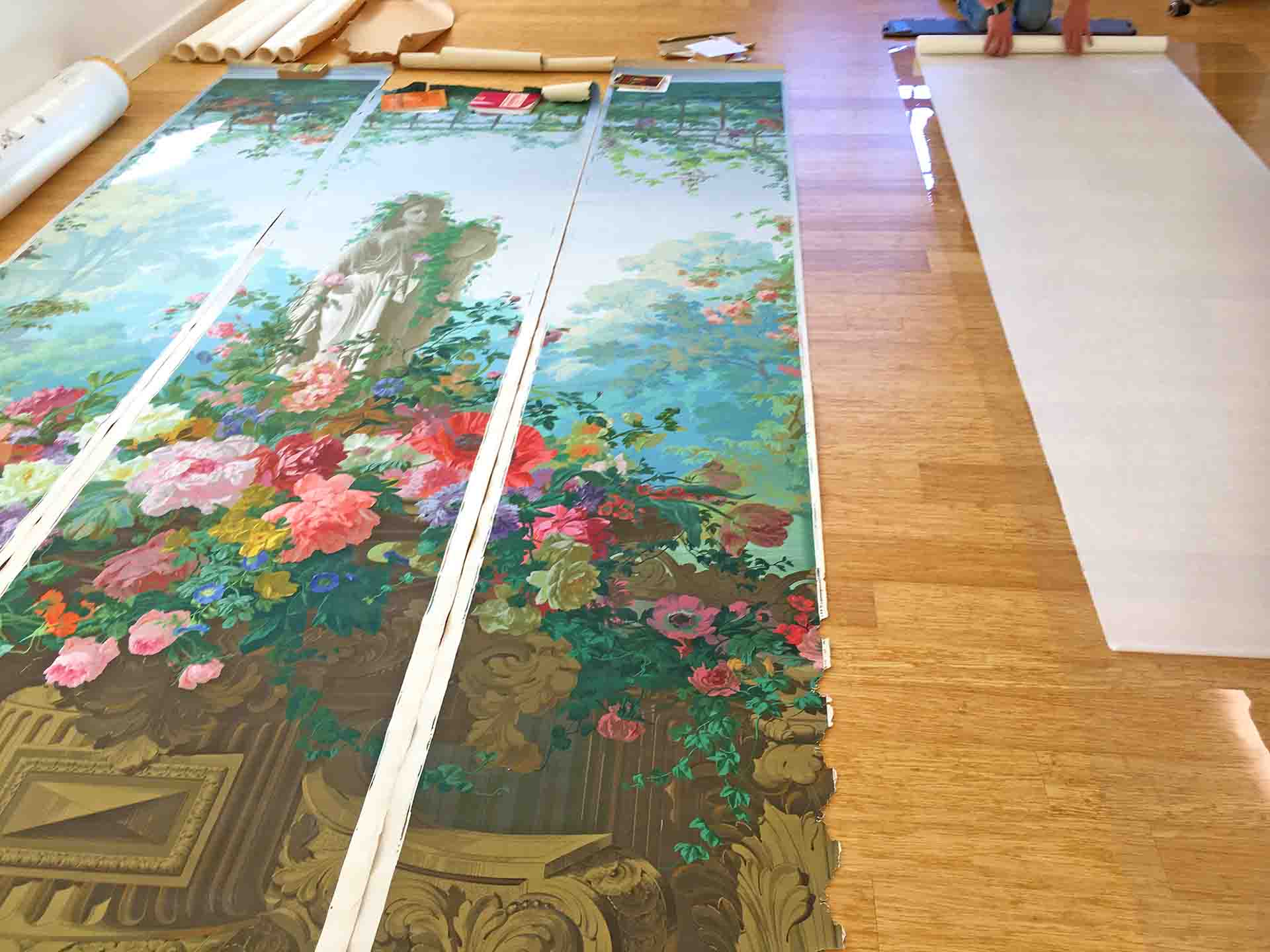
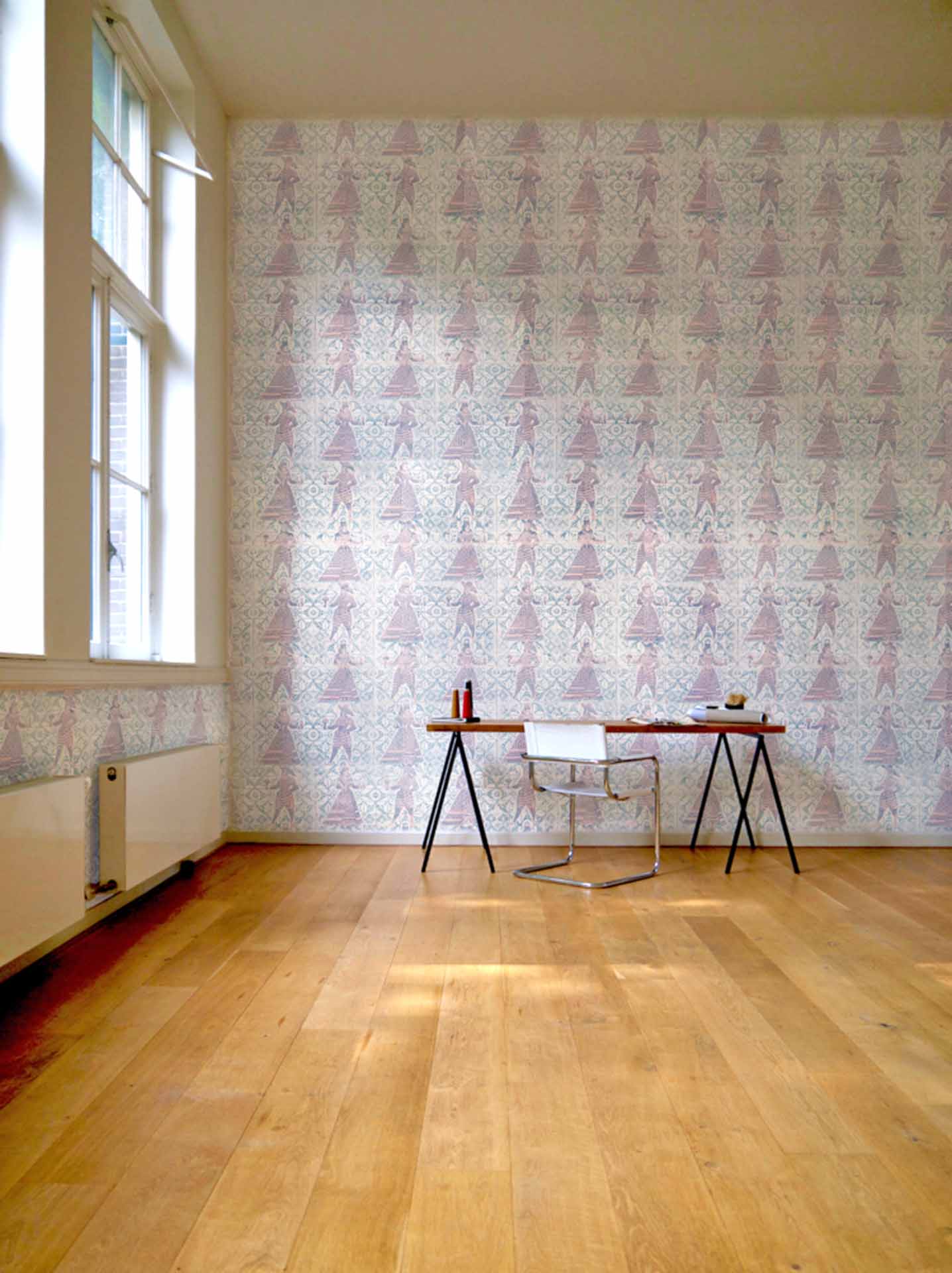
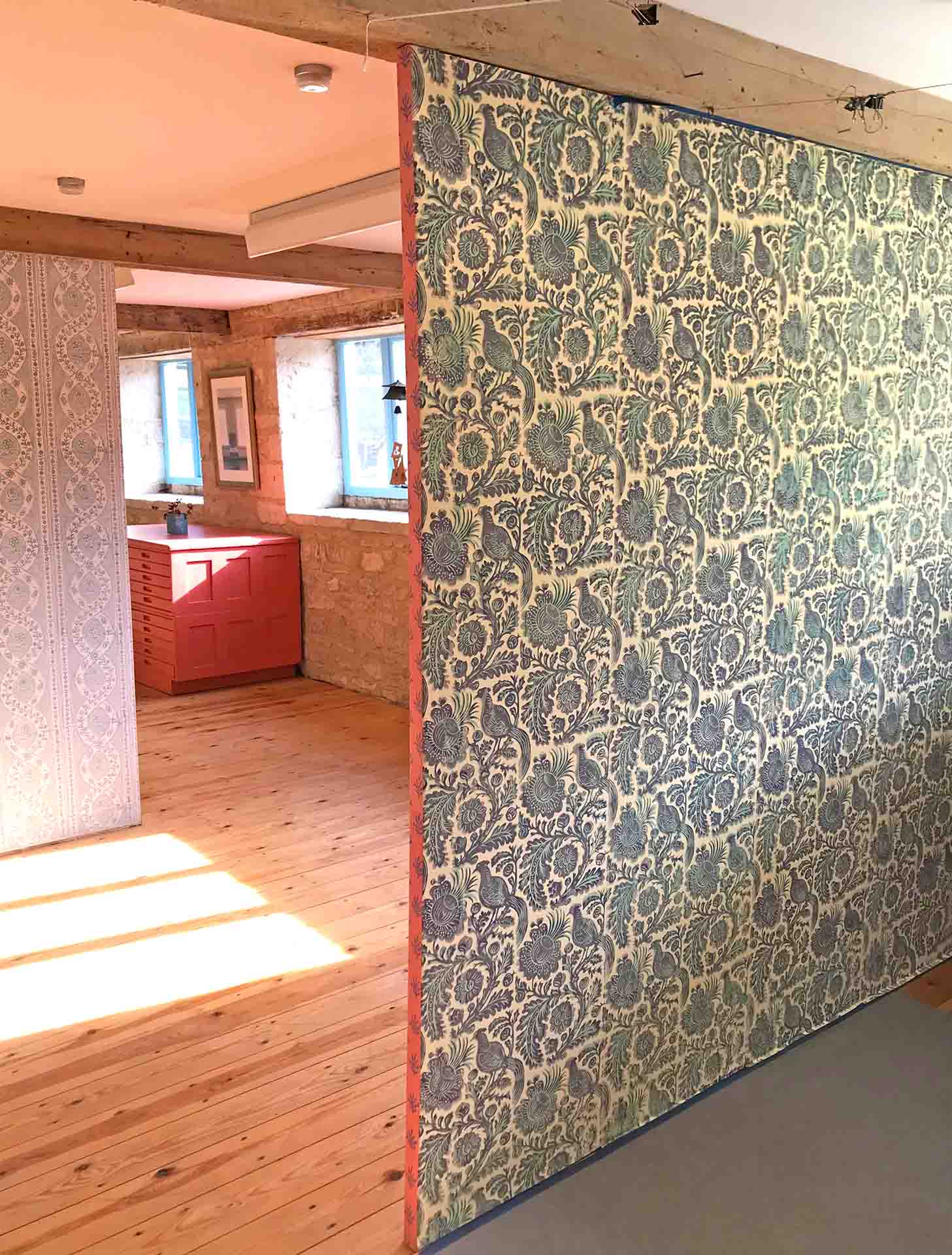
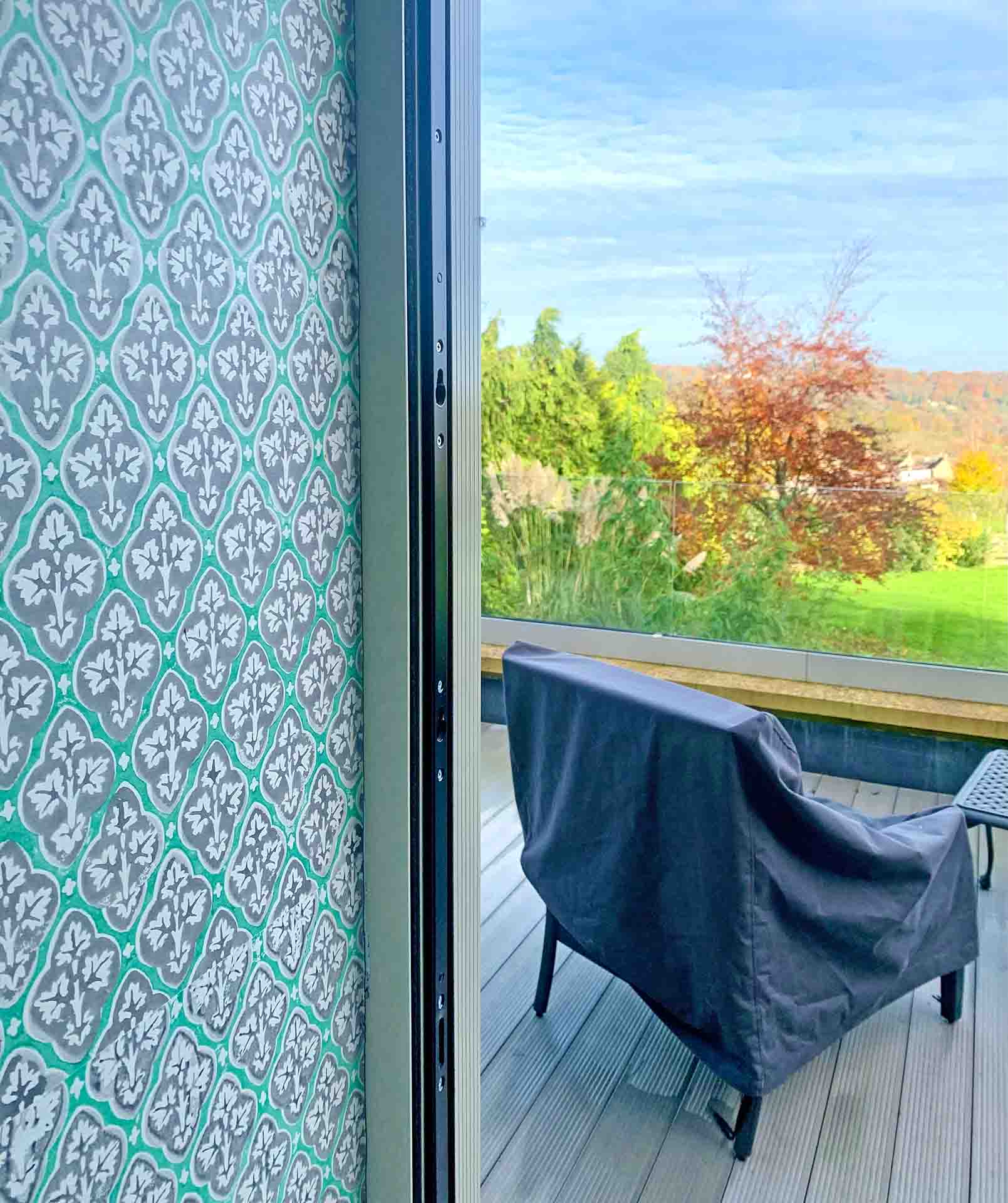
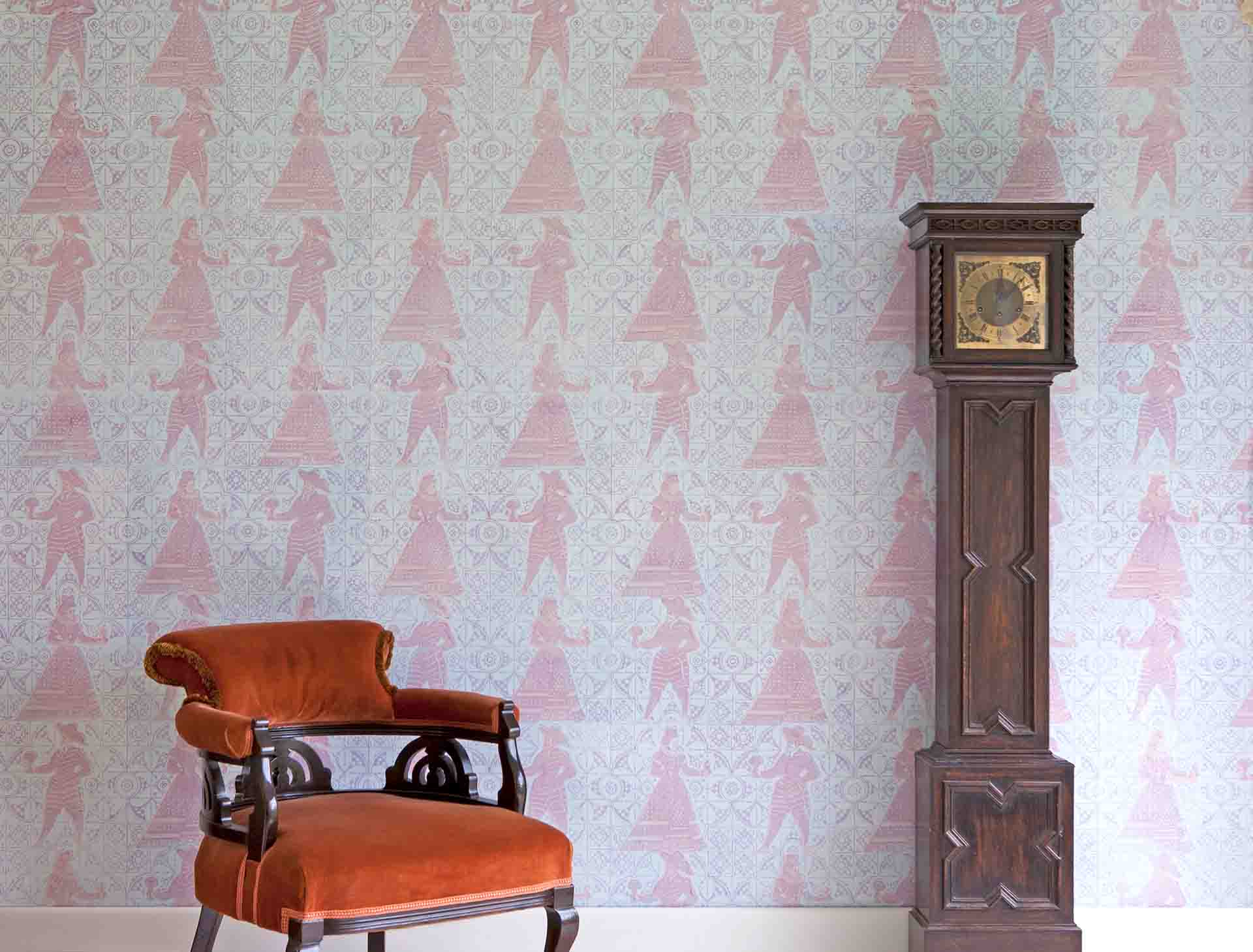
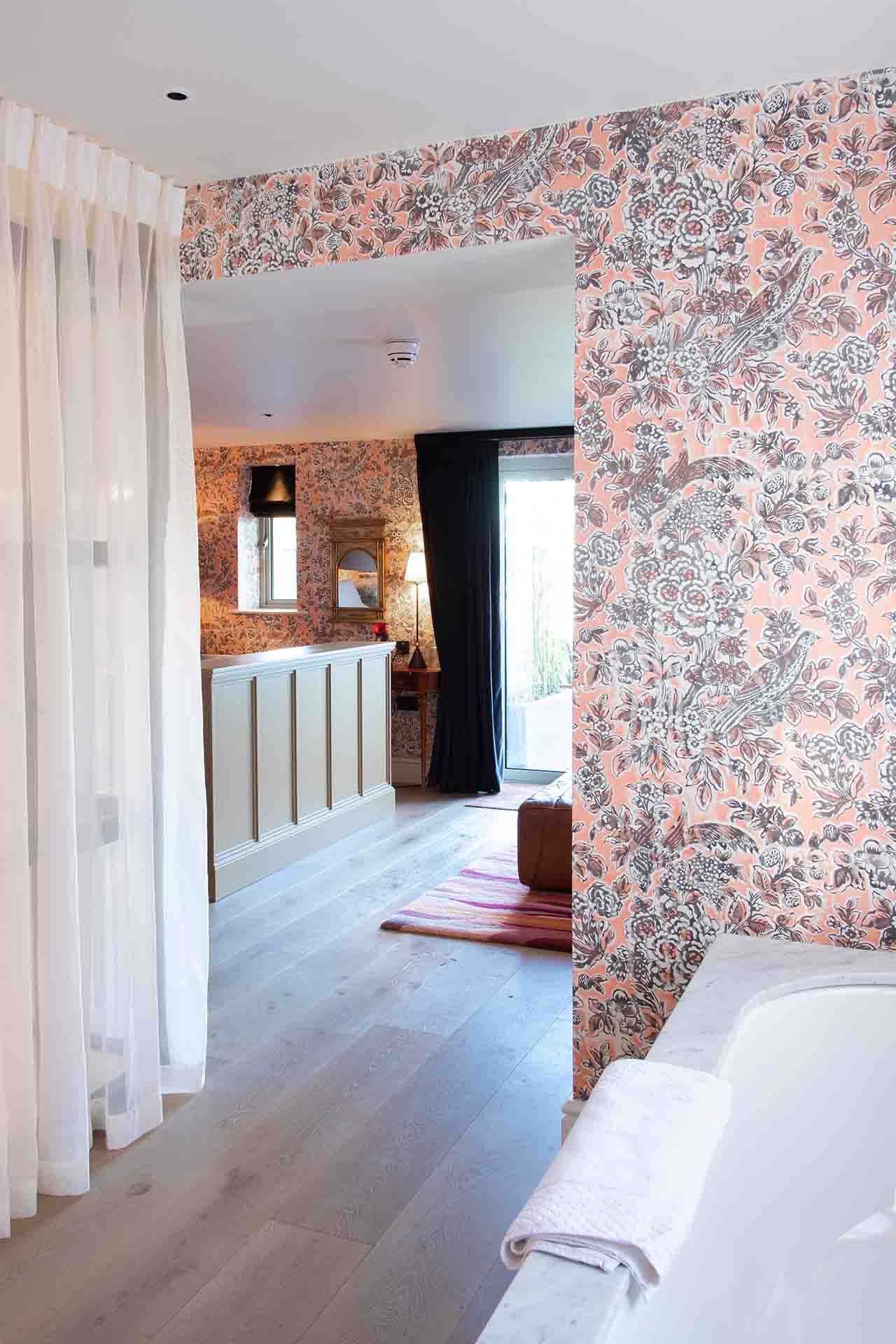
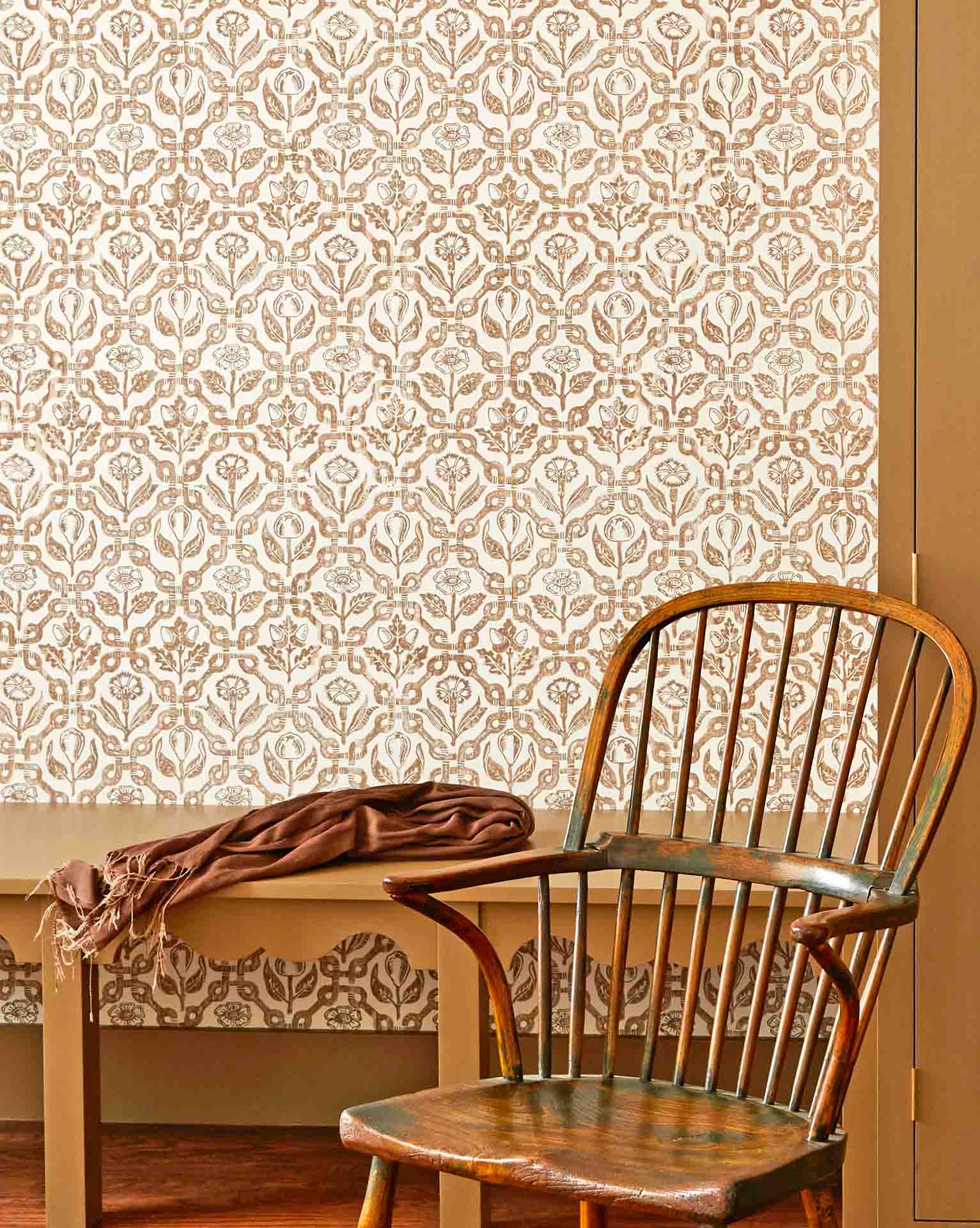
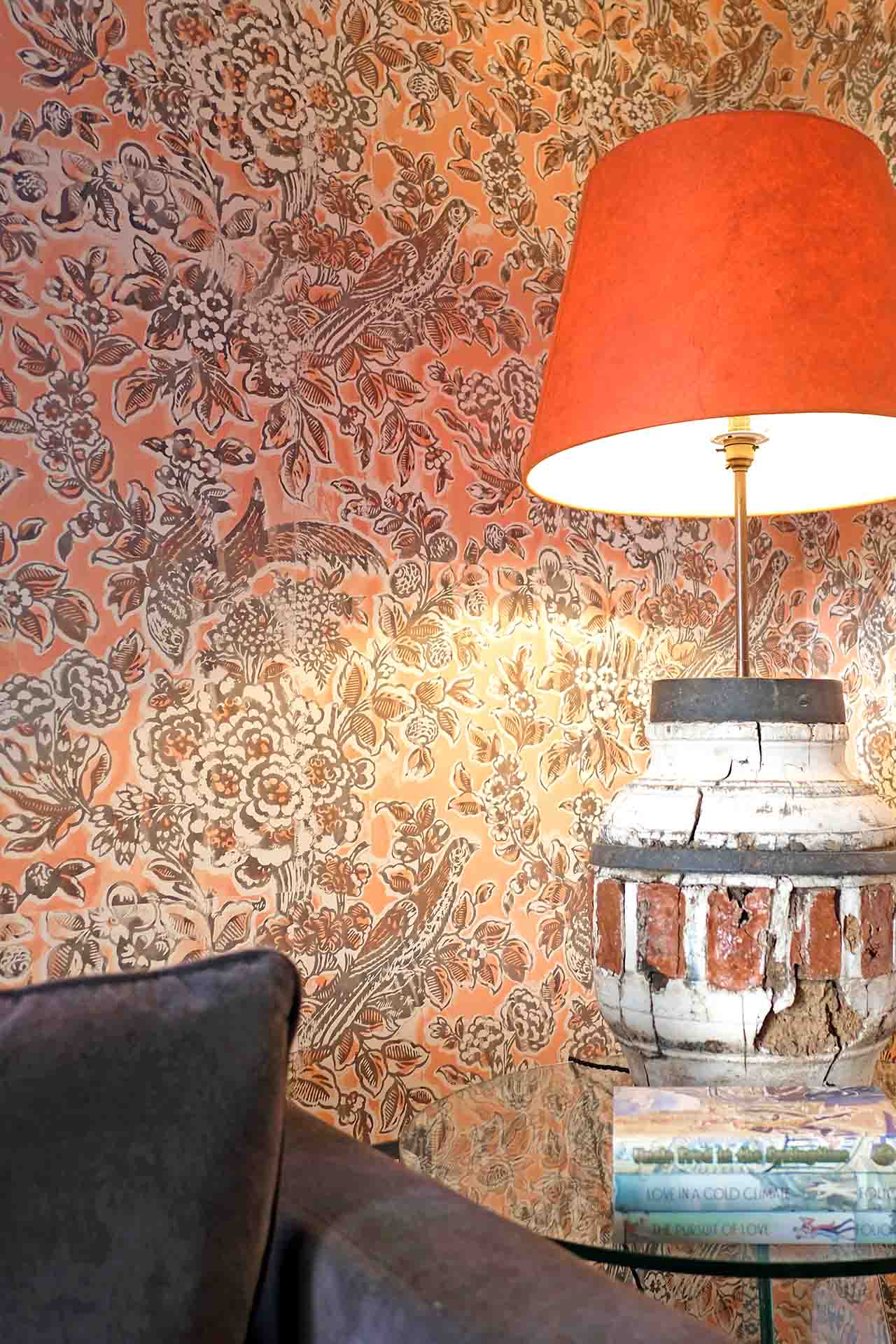
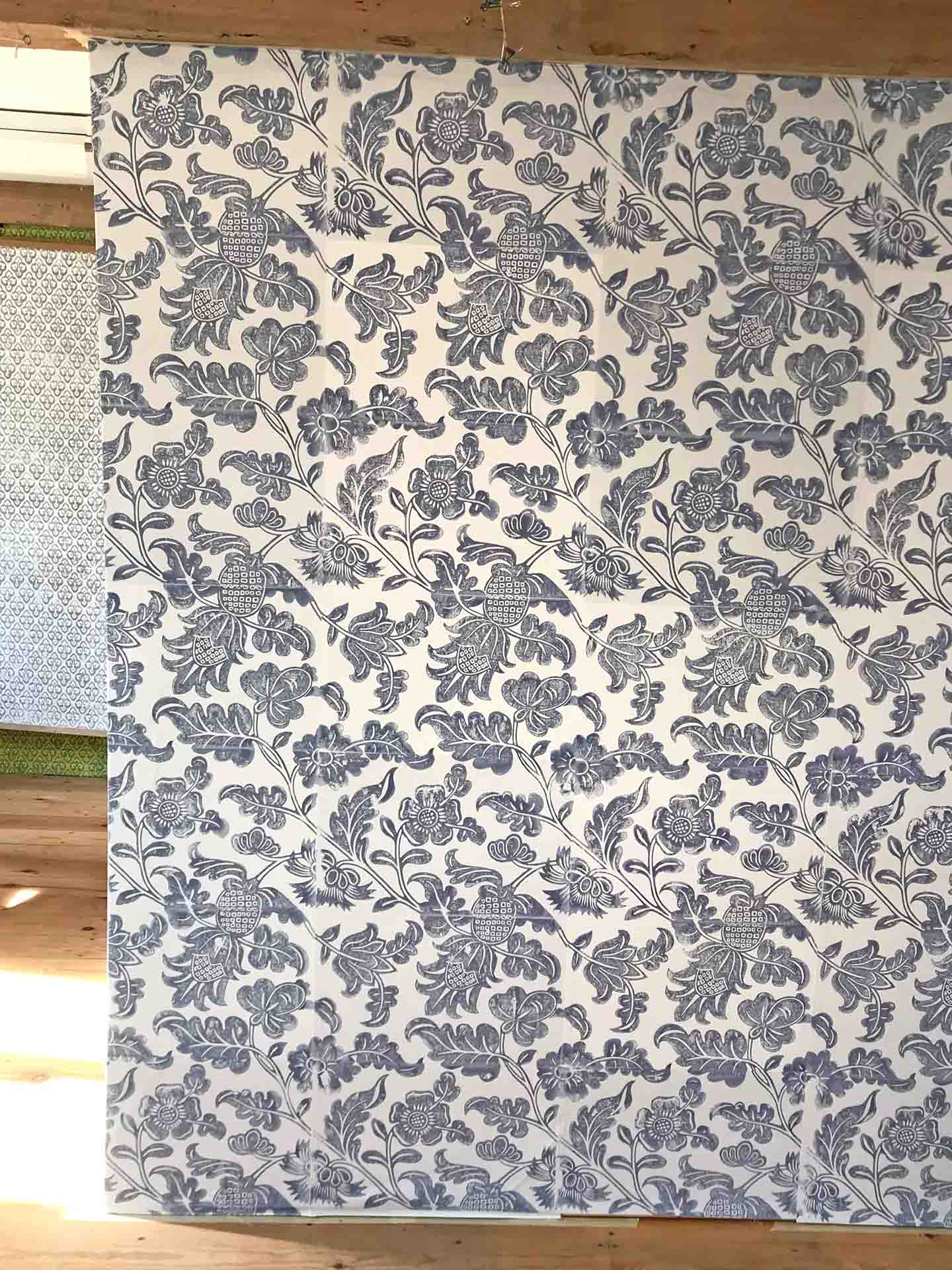
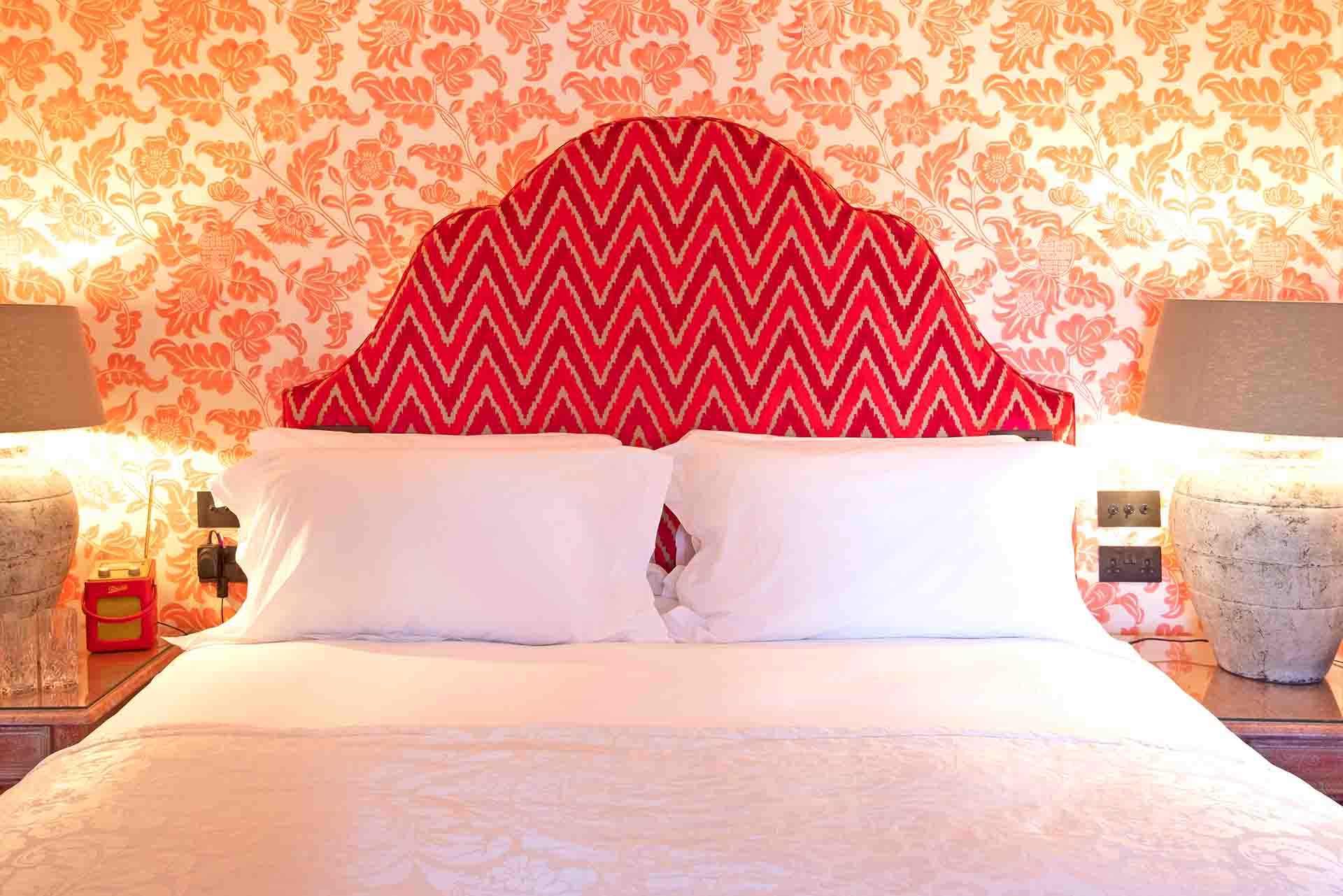
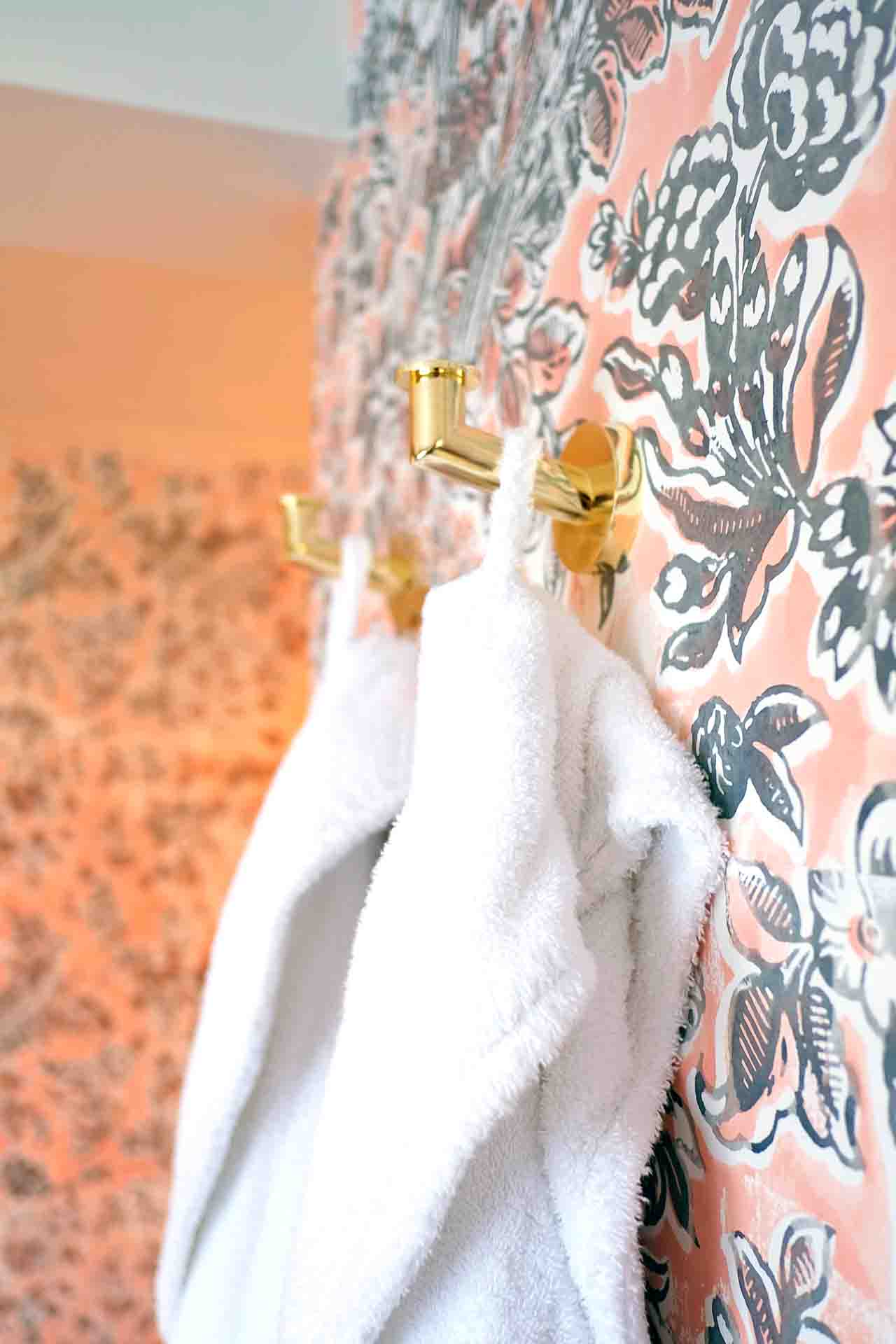
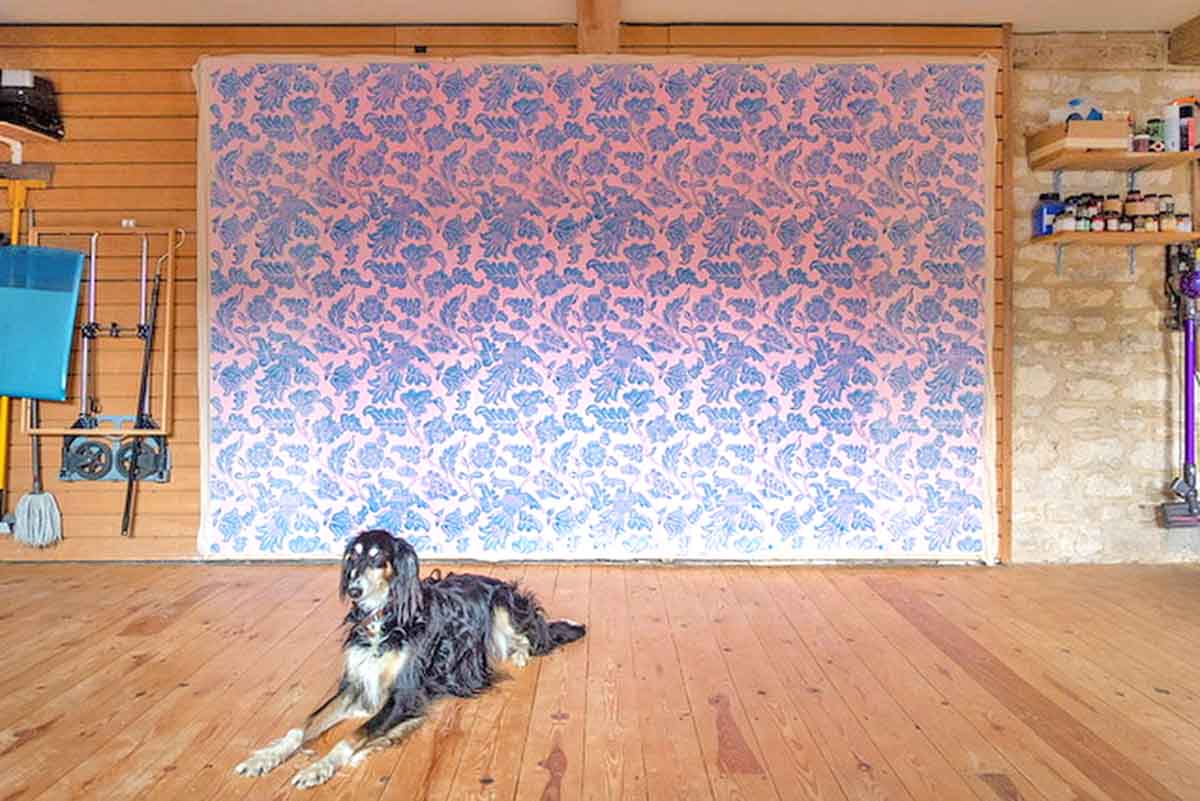
James Randolph Rogers' hand made wallpaper collection comprises approximately twenty authentic reproductions spanning the period from 1700 to 1830. Each design has been meticulously researched from original examples discovered in historic houses throughout Britain, Europe, and America, ensuring both historical accuracy and period-appropriate aesthetics. The patterns range from simple sprig motifs suitable for Georgian bedchambers to elaborate chinoiserie designs for formal reception rooms, reflecting the full spectrum of late 18th and early 19th-century interior decoration.
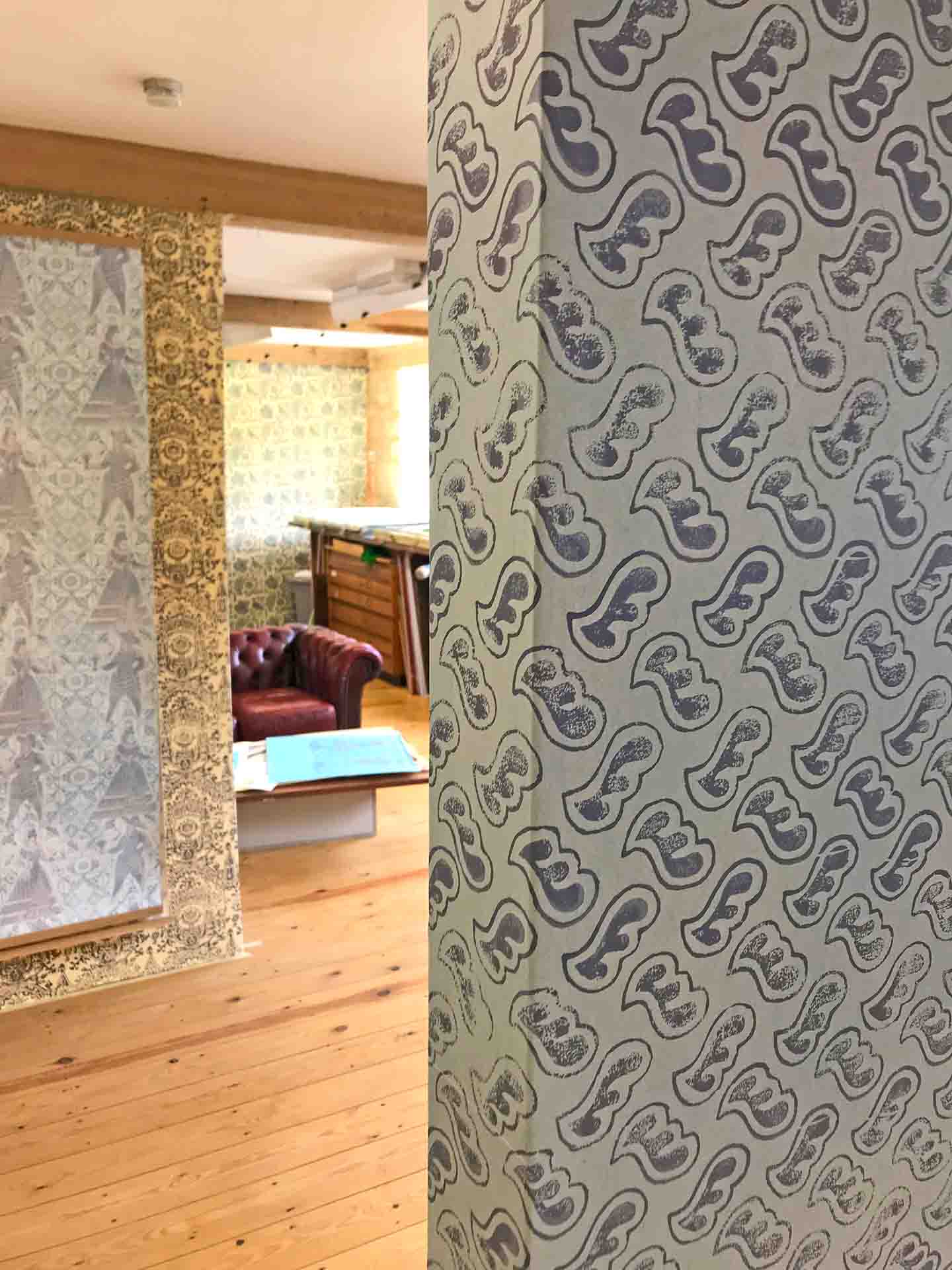
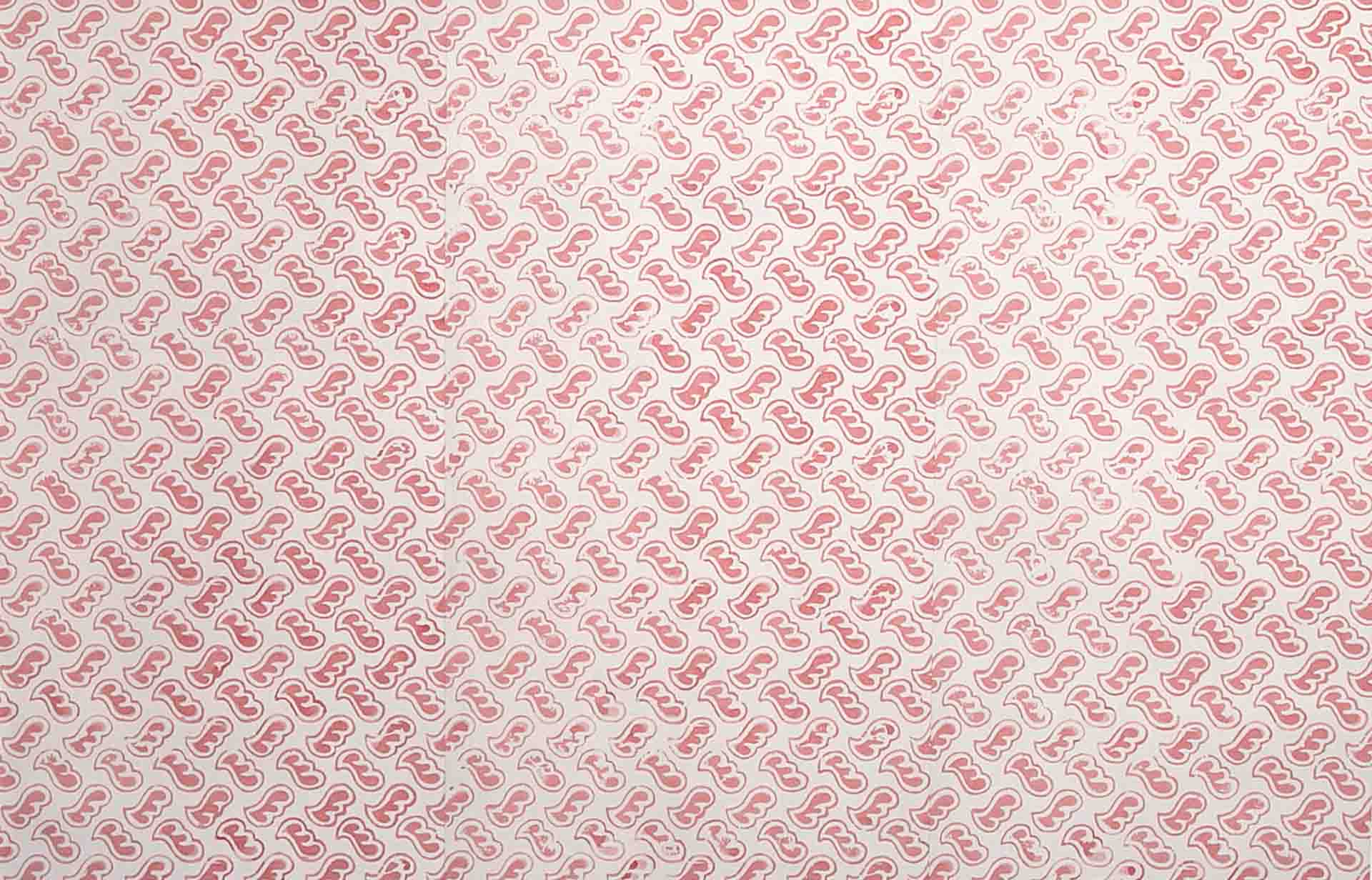
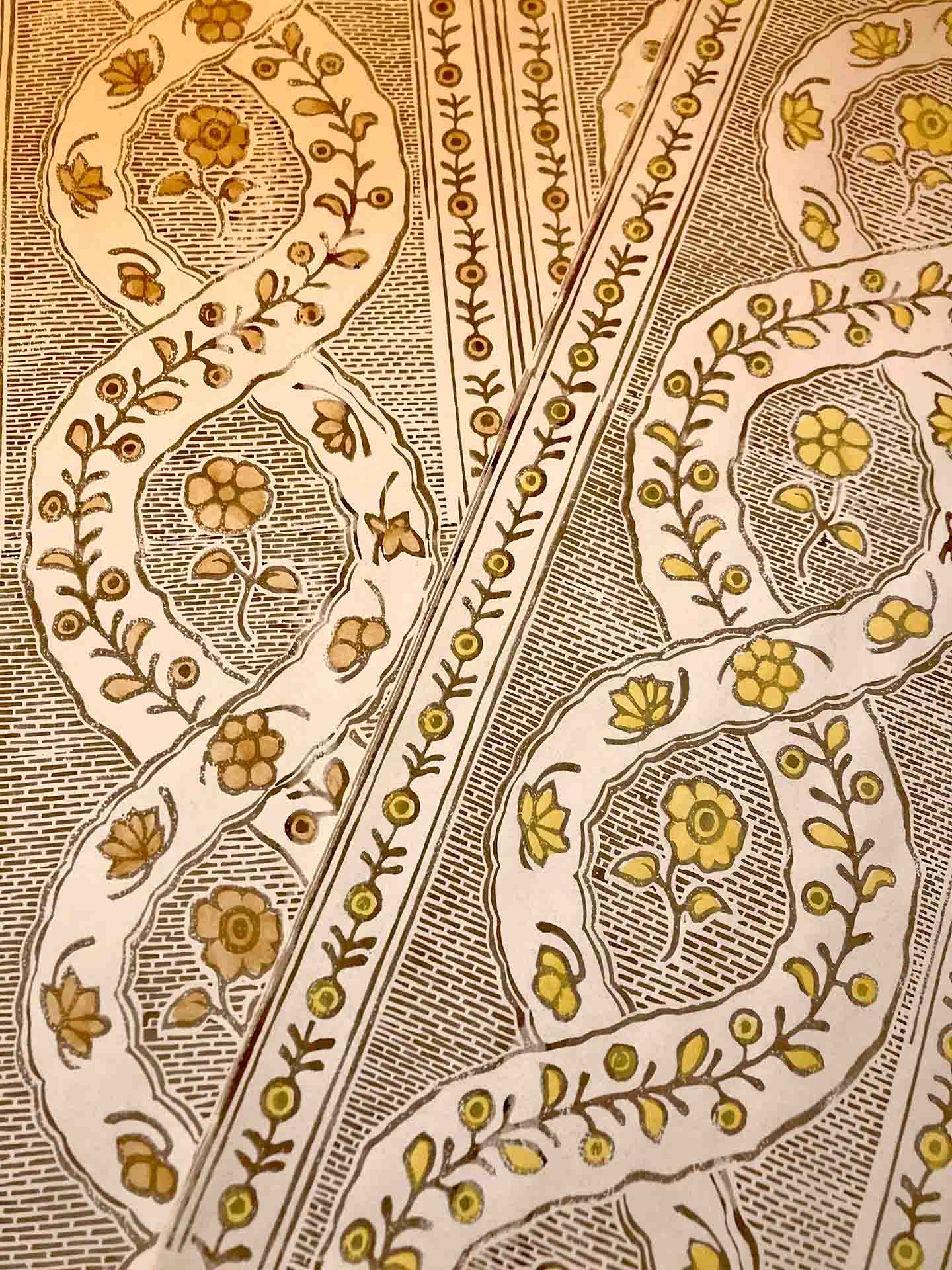
Every wallpaper is block printed by hand using the same techniques employed by Georgian dominotiers. Single-colour sprig patterns demonstrate the elegant simplicity achievable with one printing block, whilst more complex designs requiring multiple blocks showcase the technical precision necessary for perfect registration across repeated printing. The collection includes both British and American pattern influences, serving period interiors from London townhouses to New England Federal residences, Cotswolds cottages to Mid-Atlantic merchant homes.
All wallpapers are produced on individual sheets varying in size, depending upon the print blocks. This sheet-by-sheet production method, whilst labour-intensive, ensures each length retains the subtle variations and authentic surface quality that distinguish genuine hand made wallpaper from mechanised reproductions. Bespoke colour schemes can be mixed for every commission, with historic palette research informing appropriate distemper paint formulations for specific periods and regional preferences.
Traditional Block Printing Methods
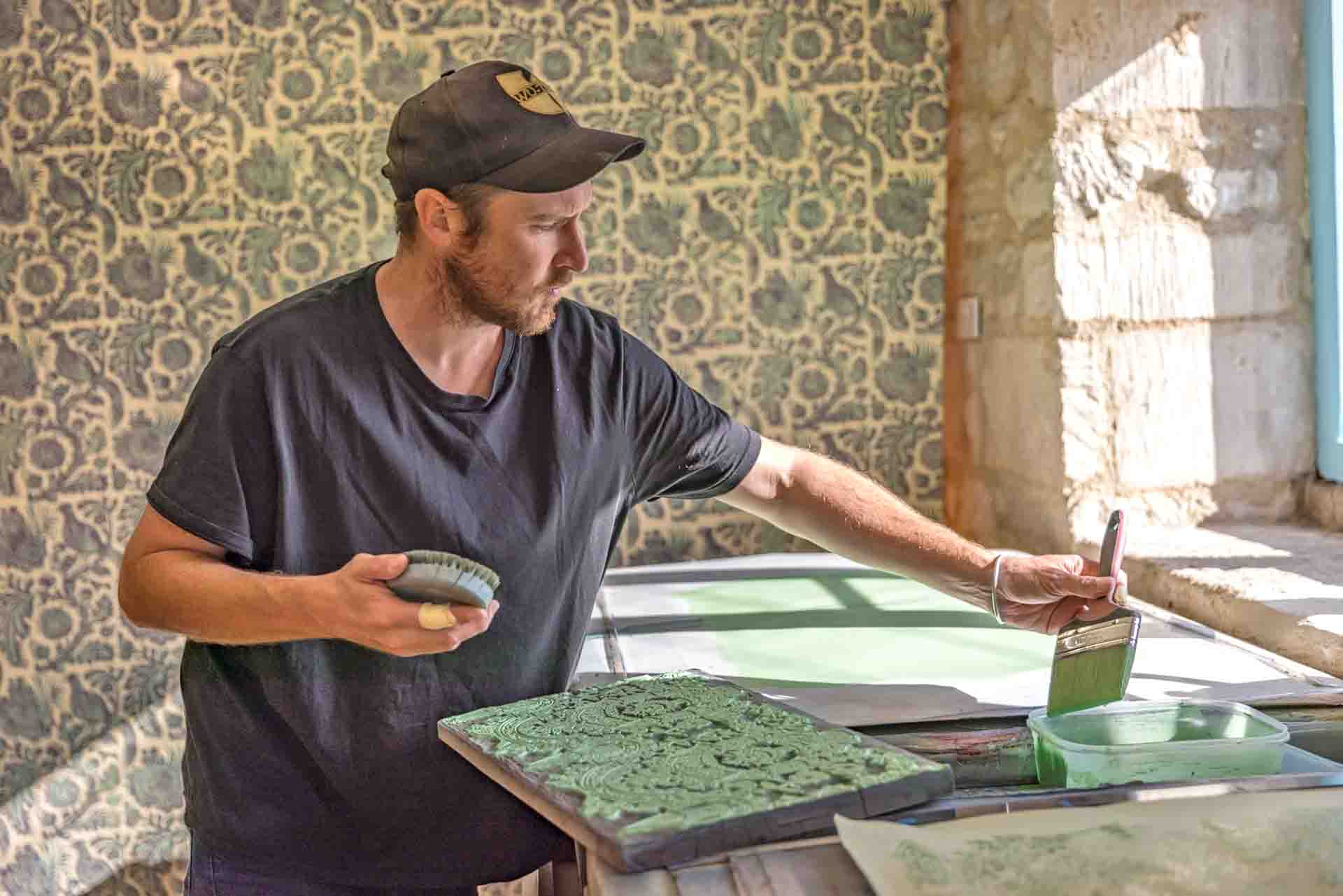
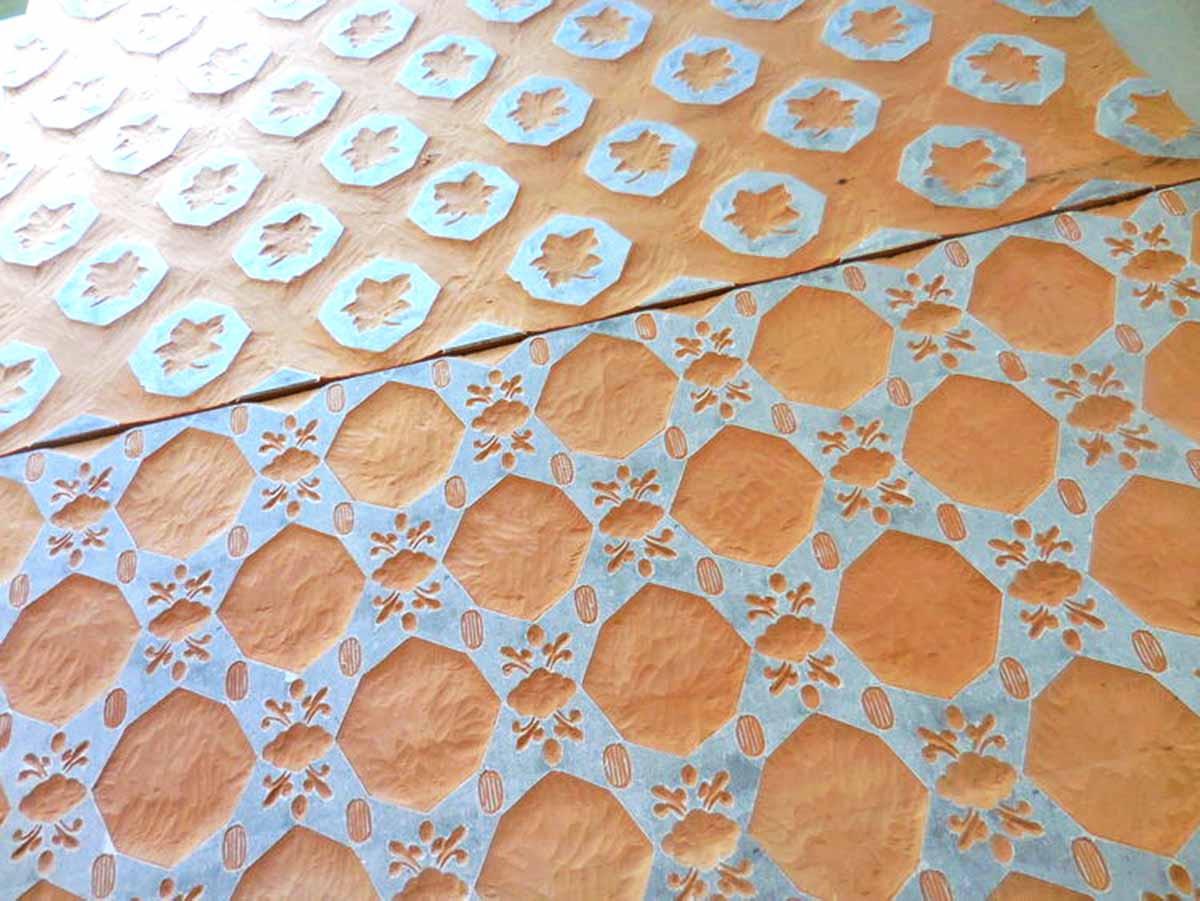
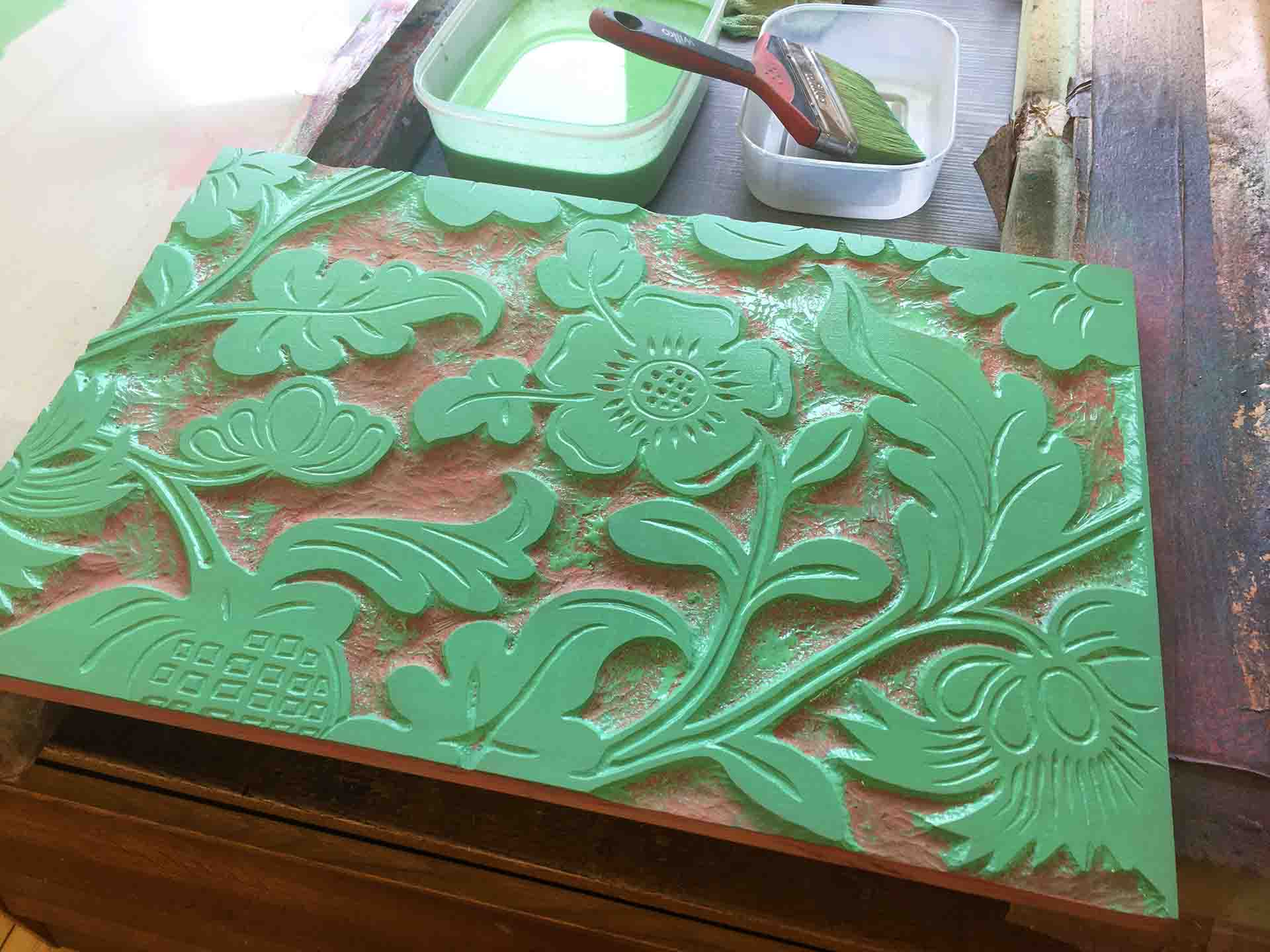
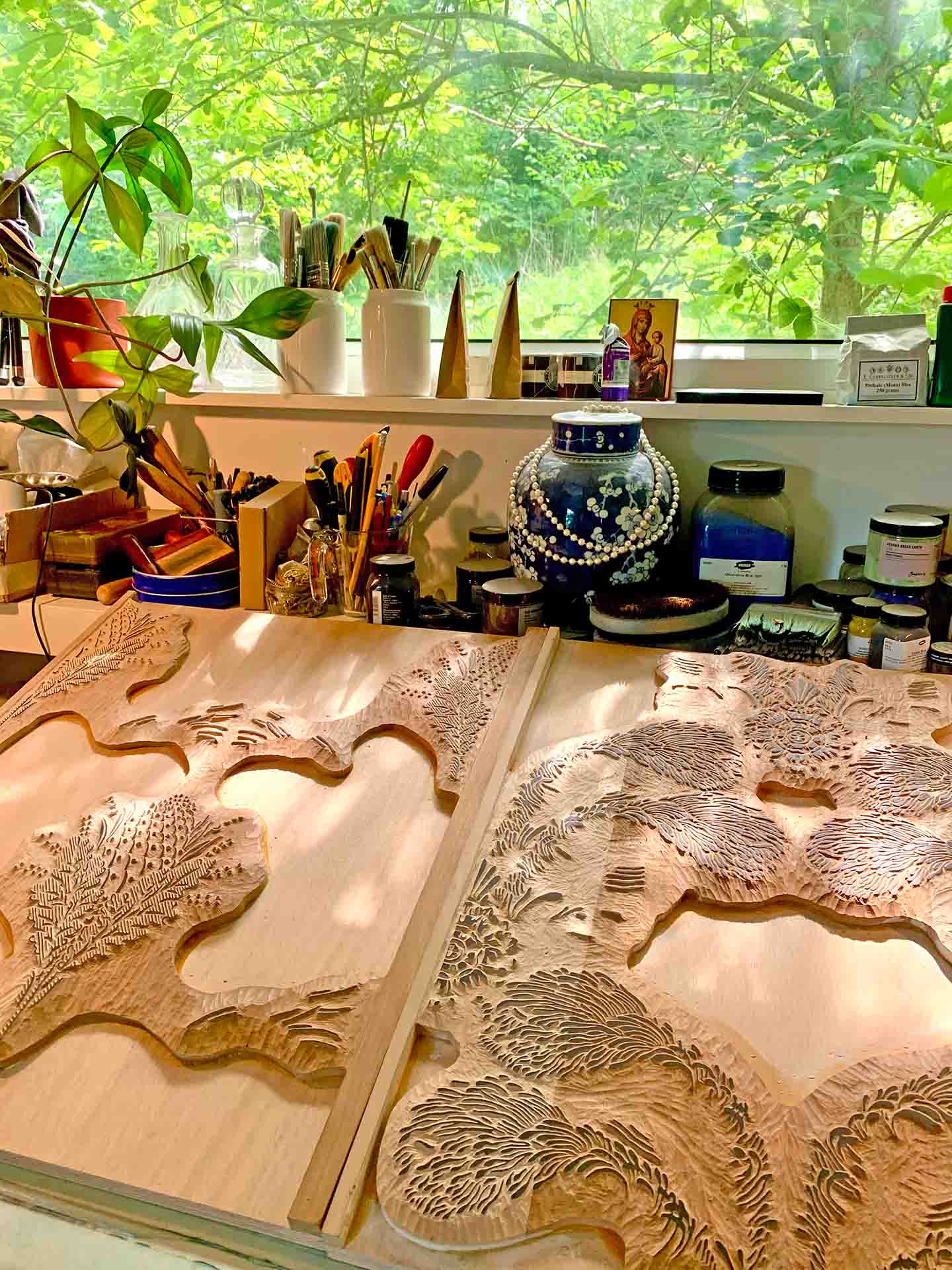
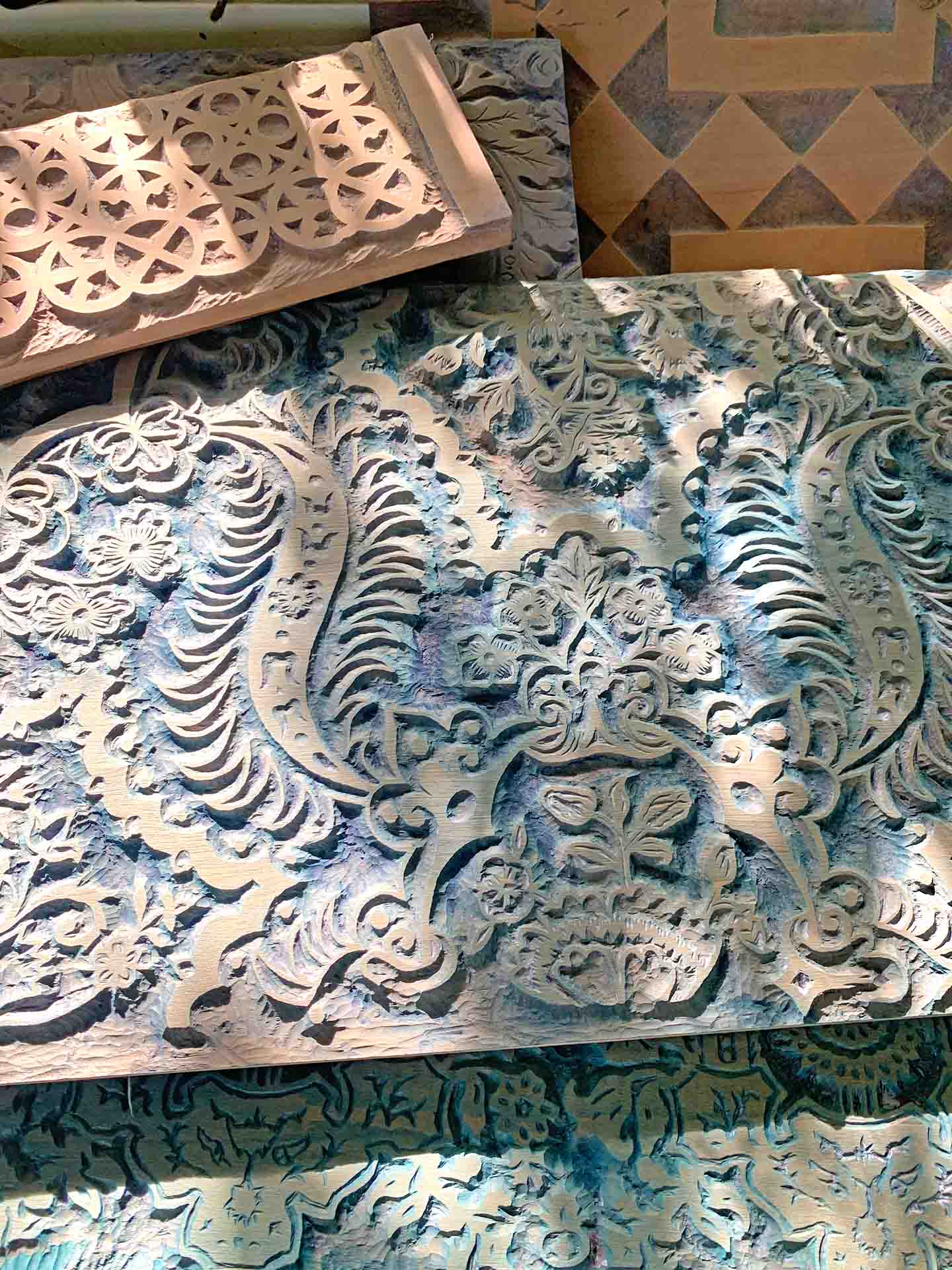
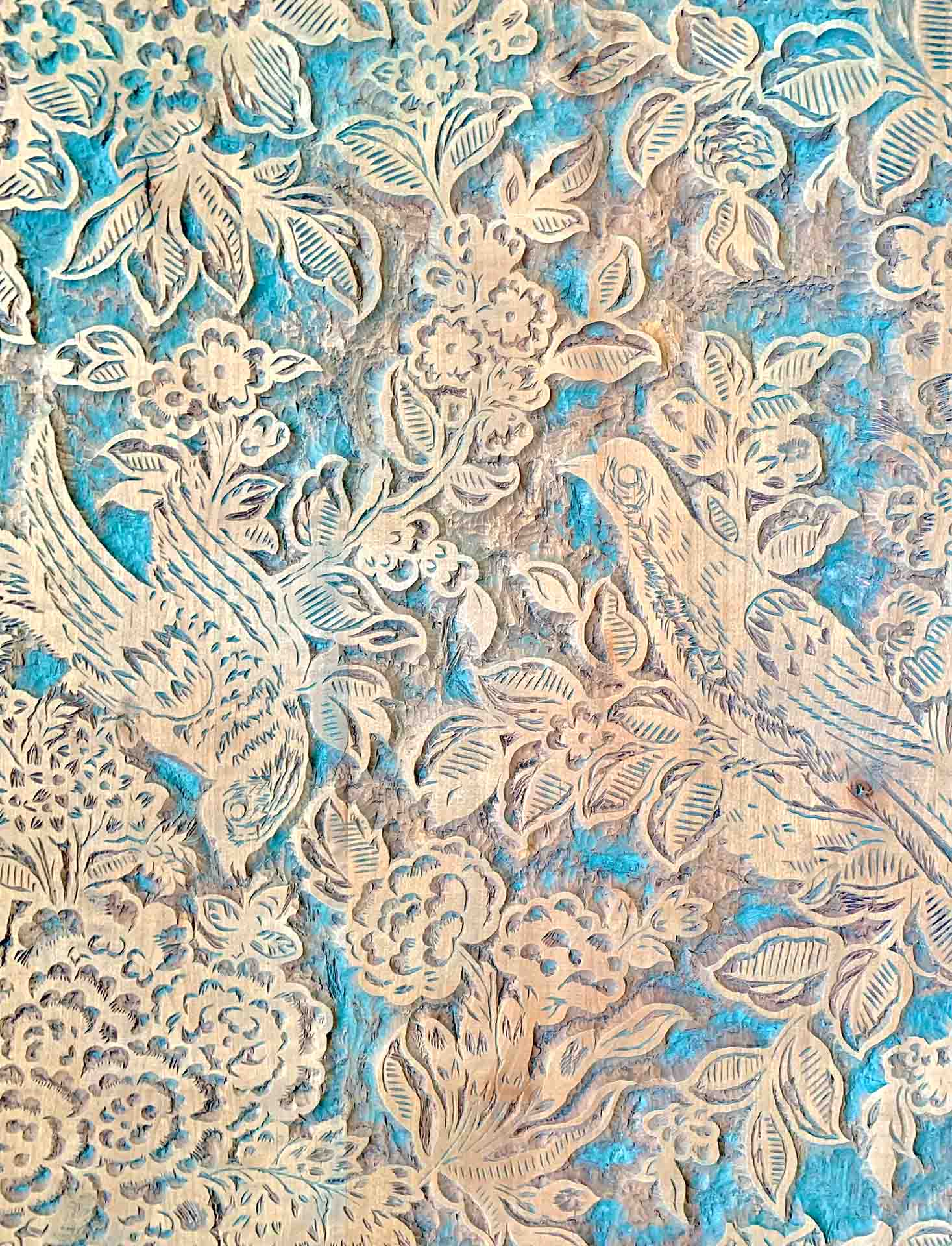
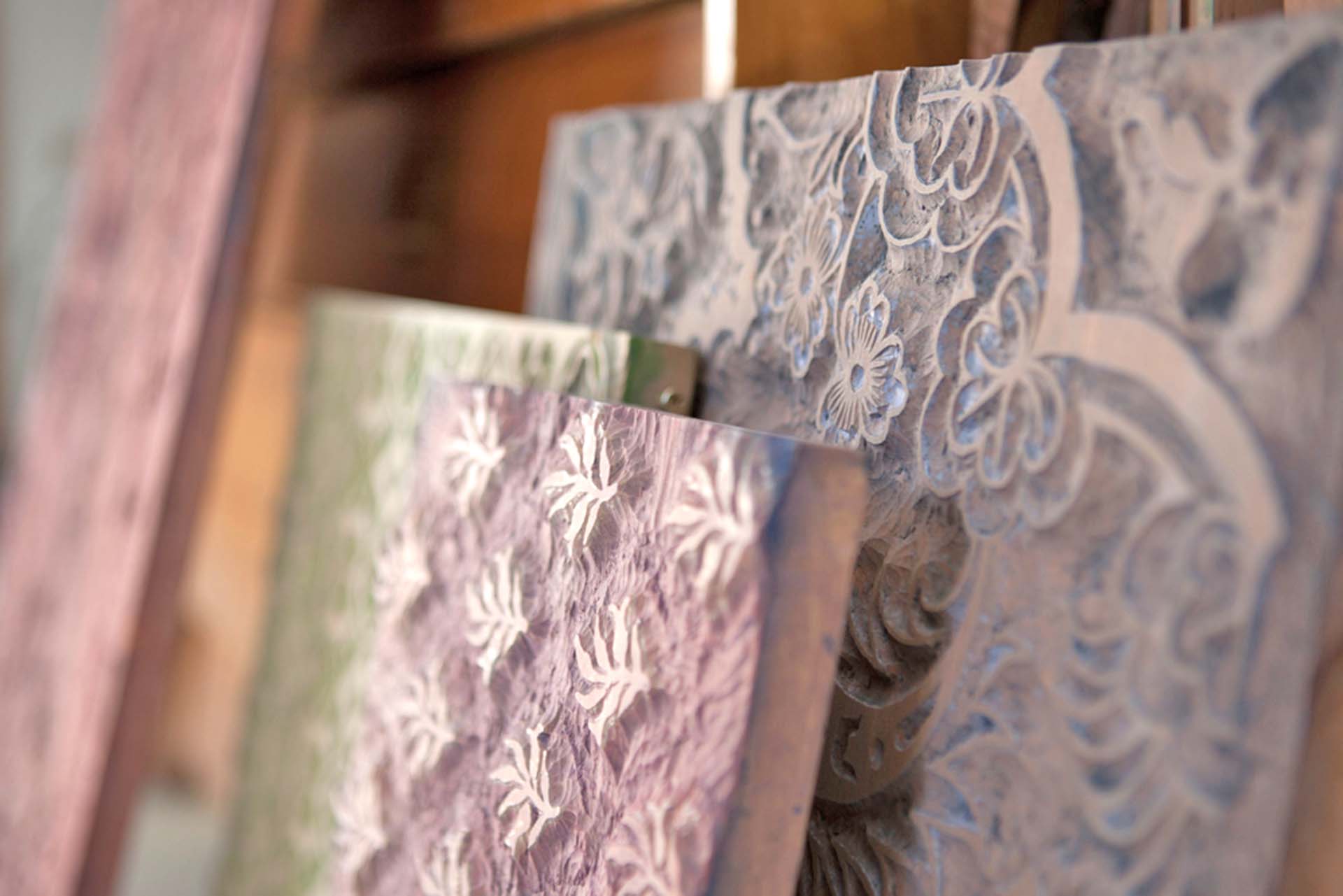
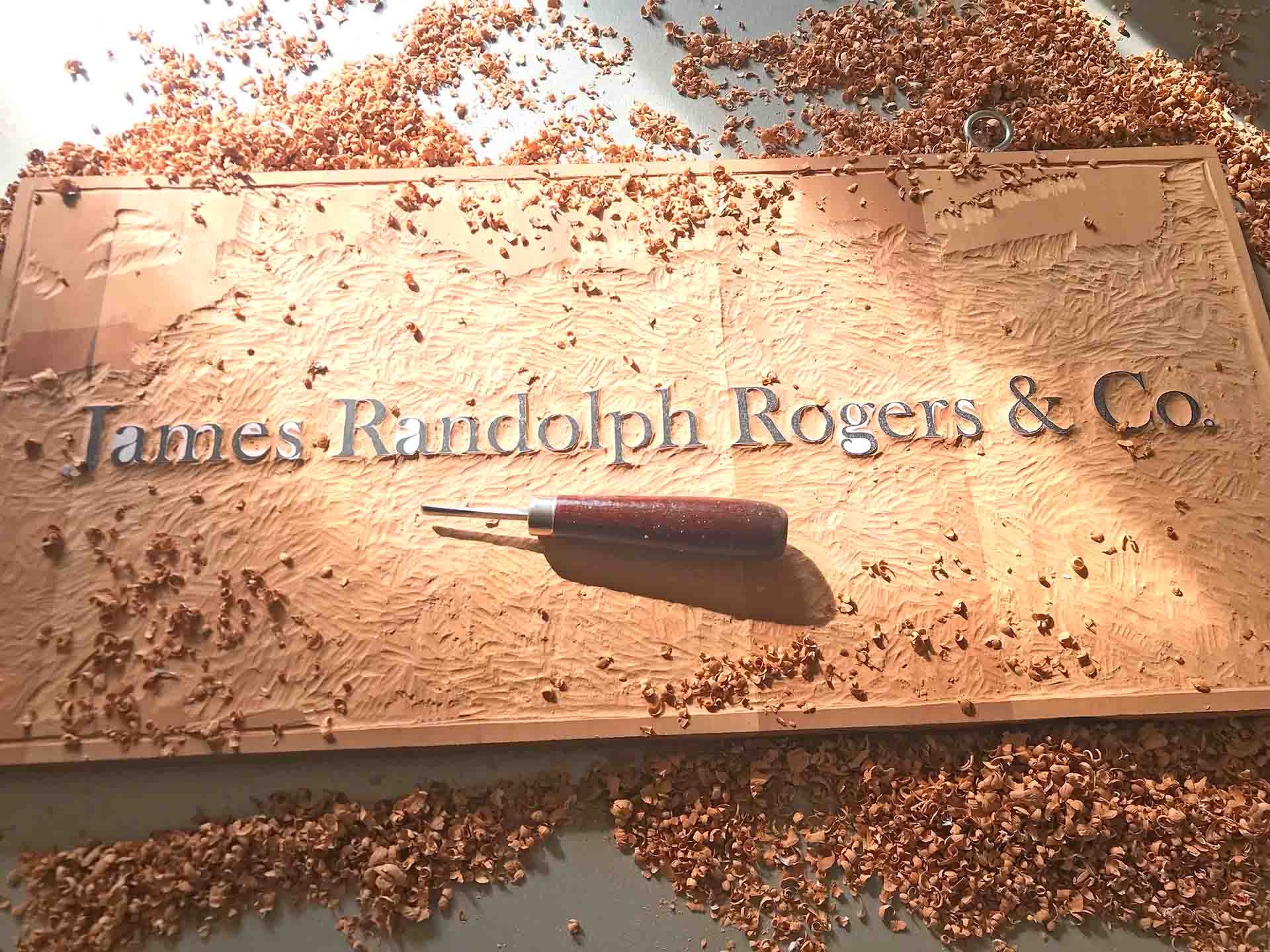
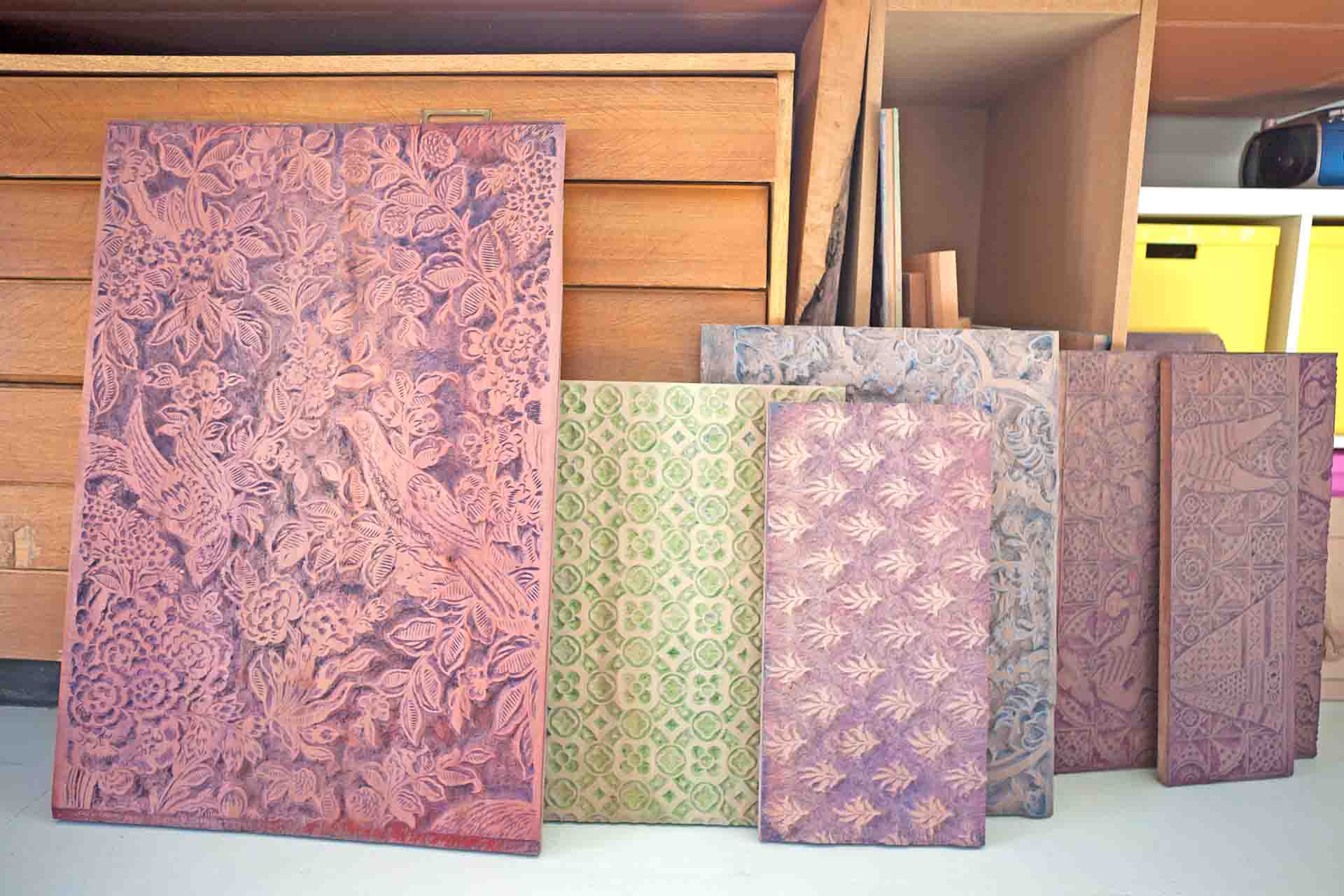
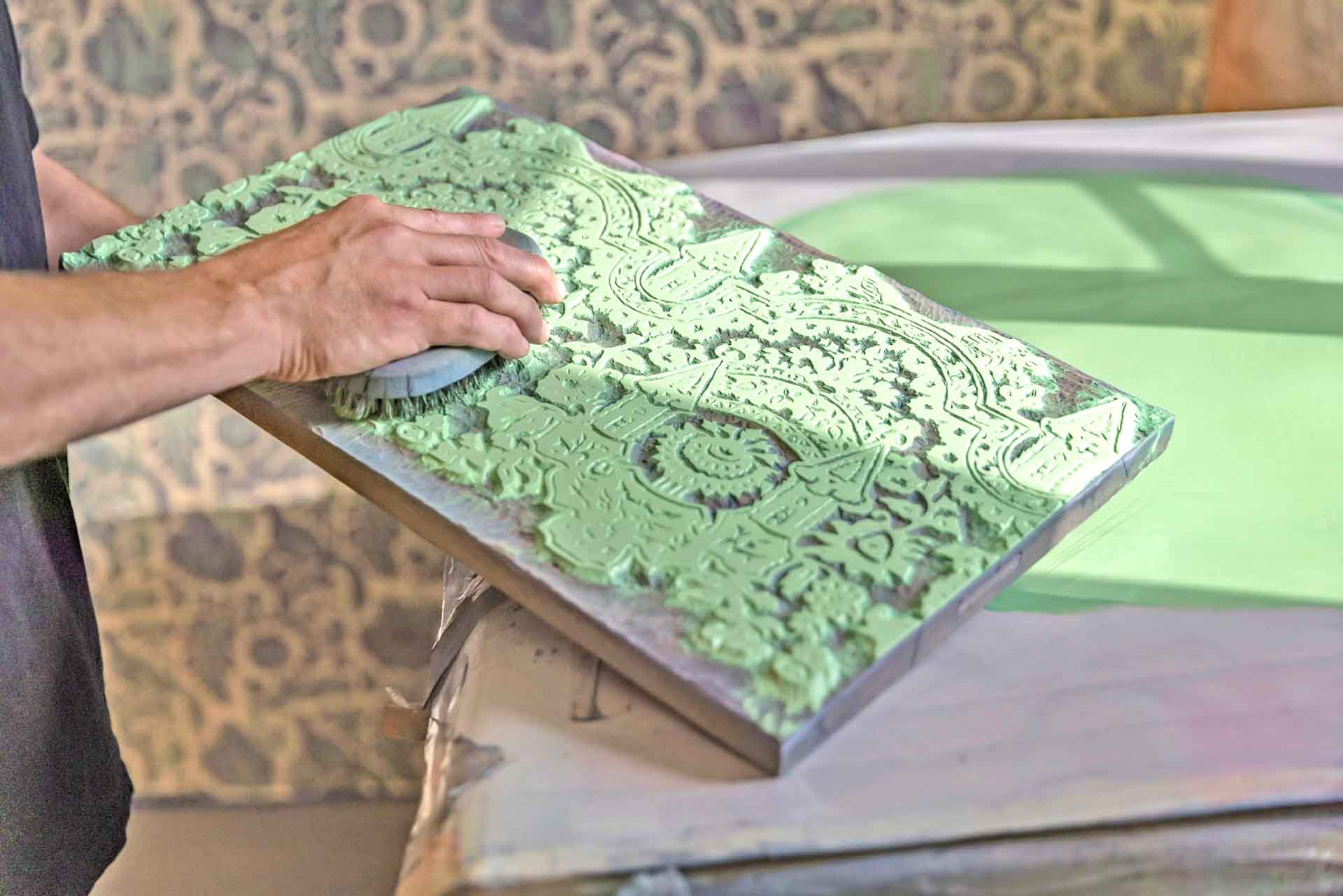
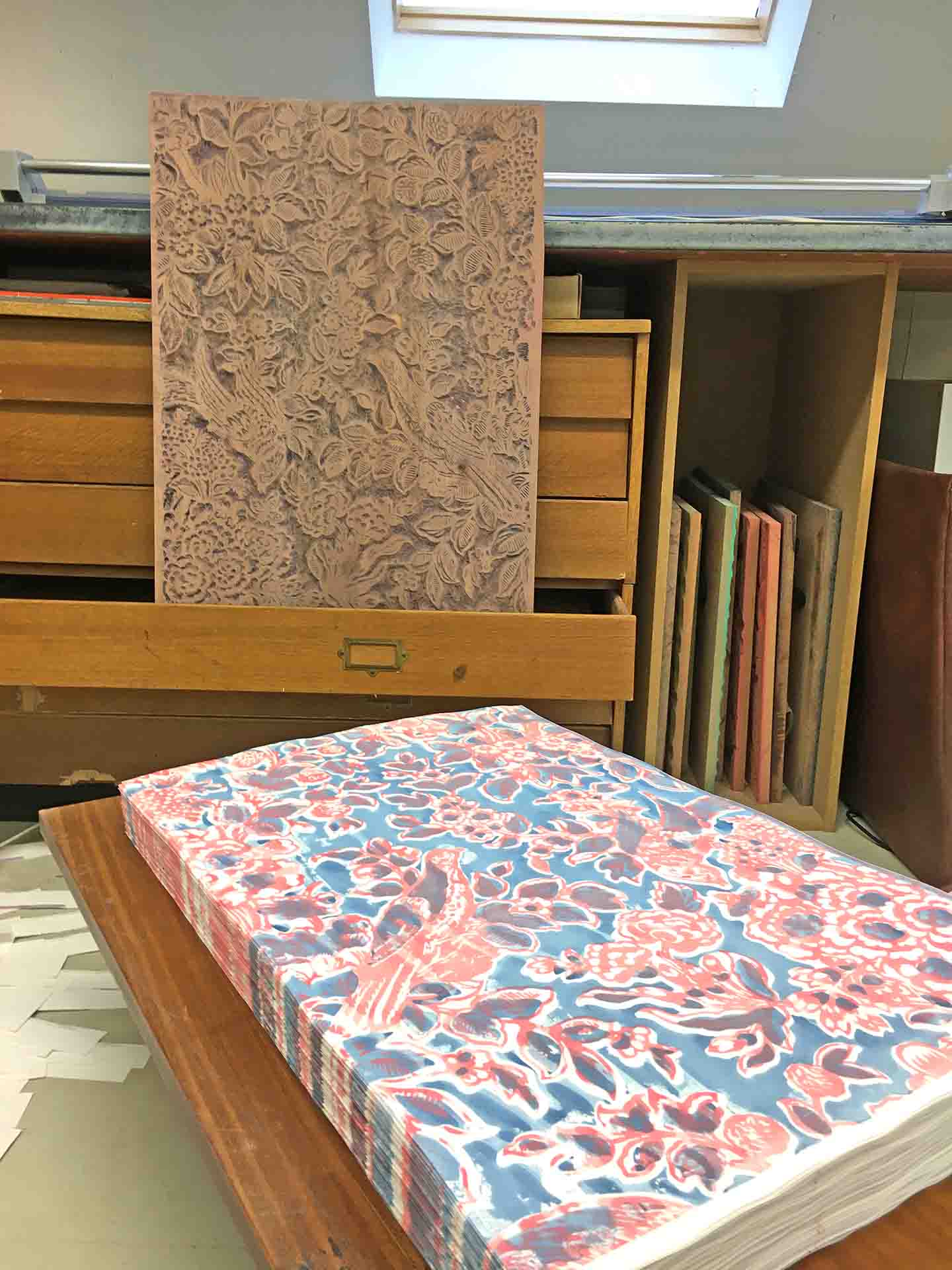
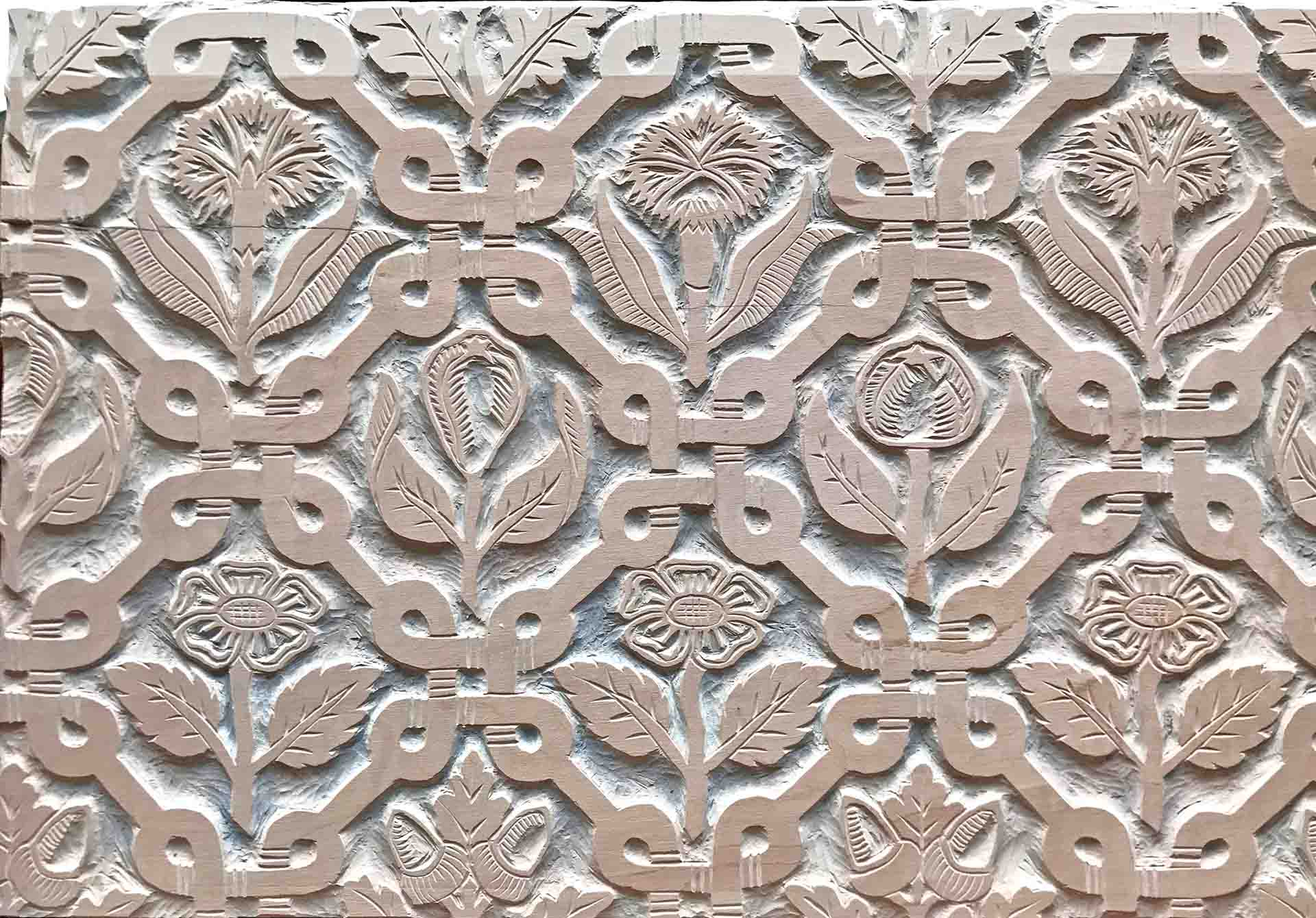
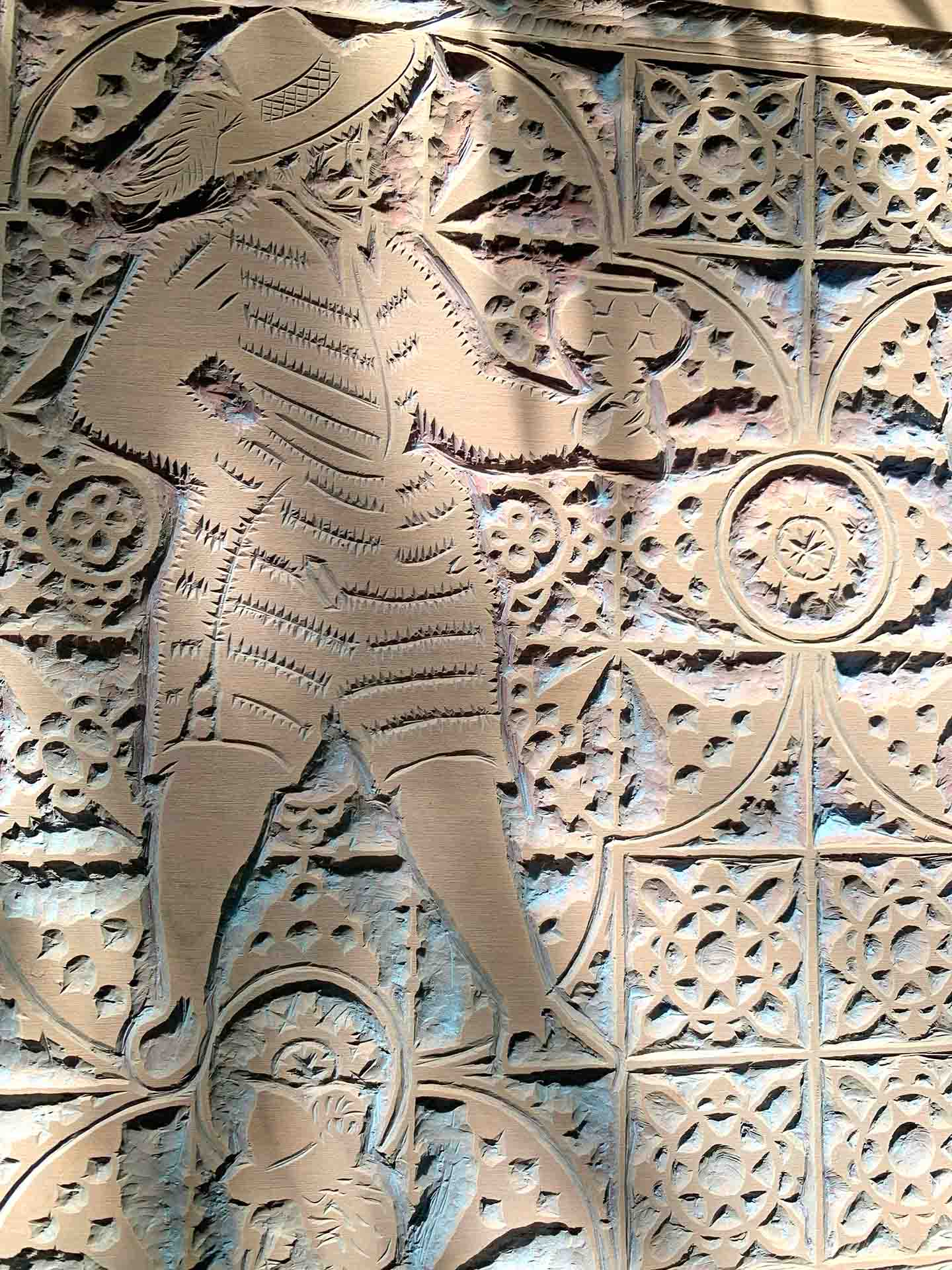
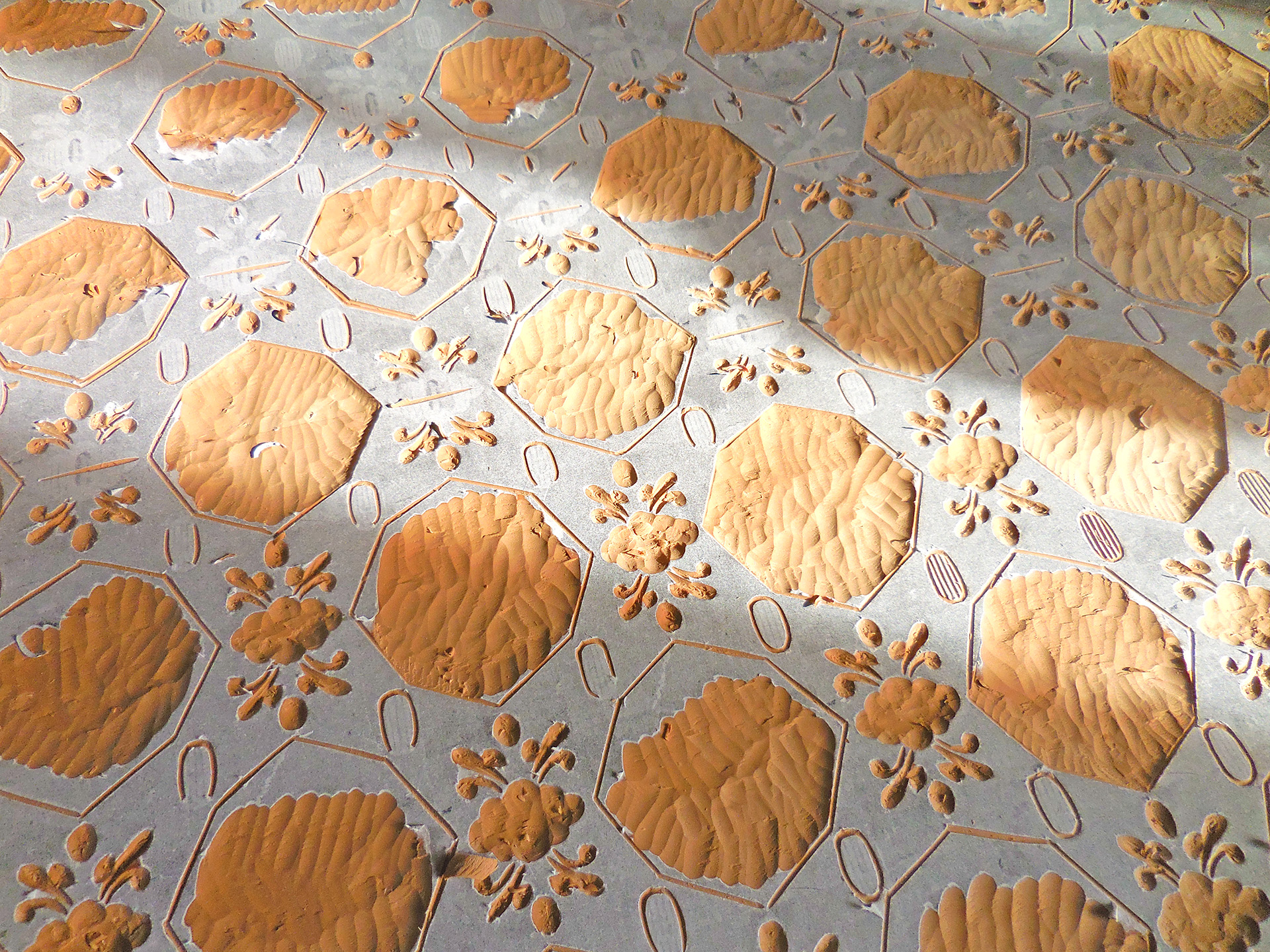
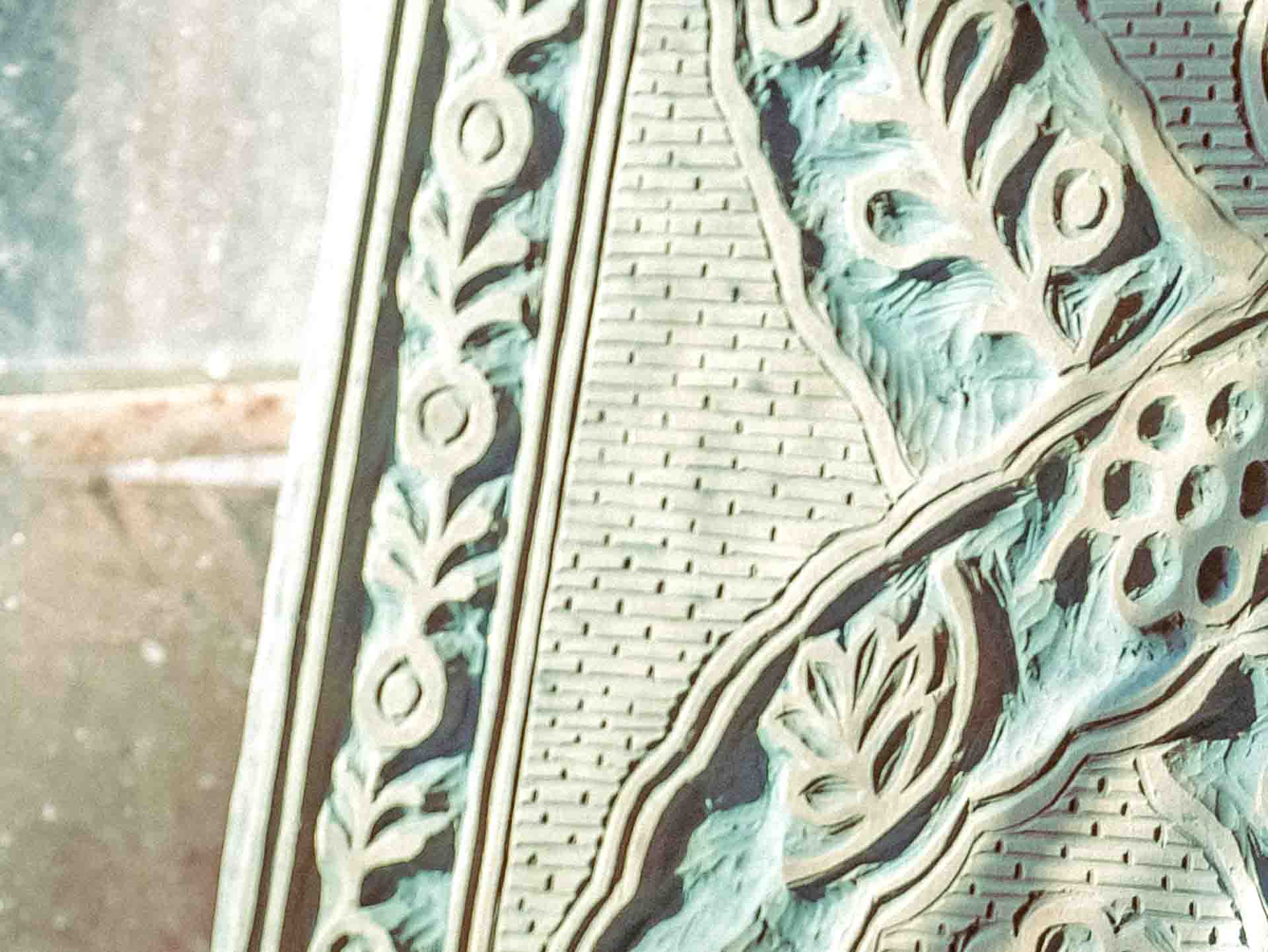
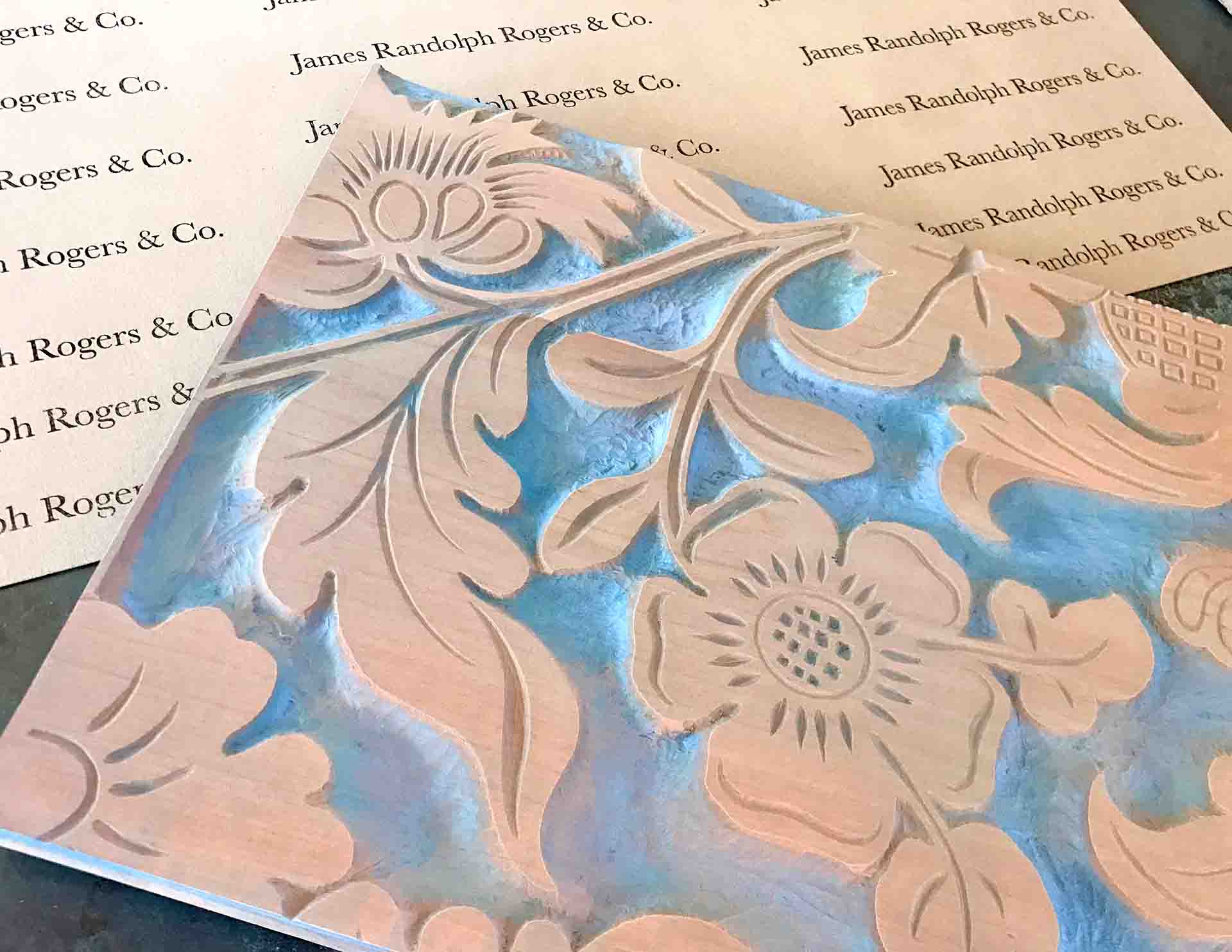
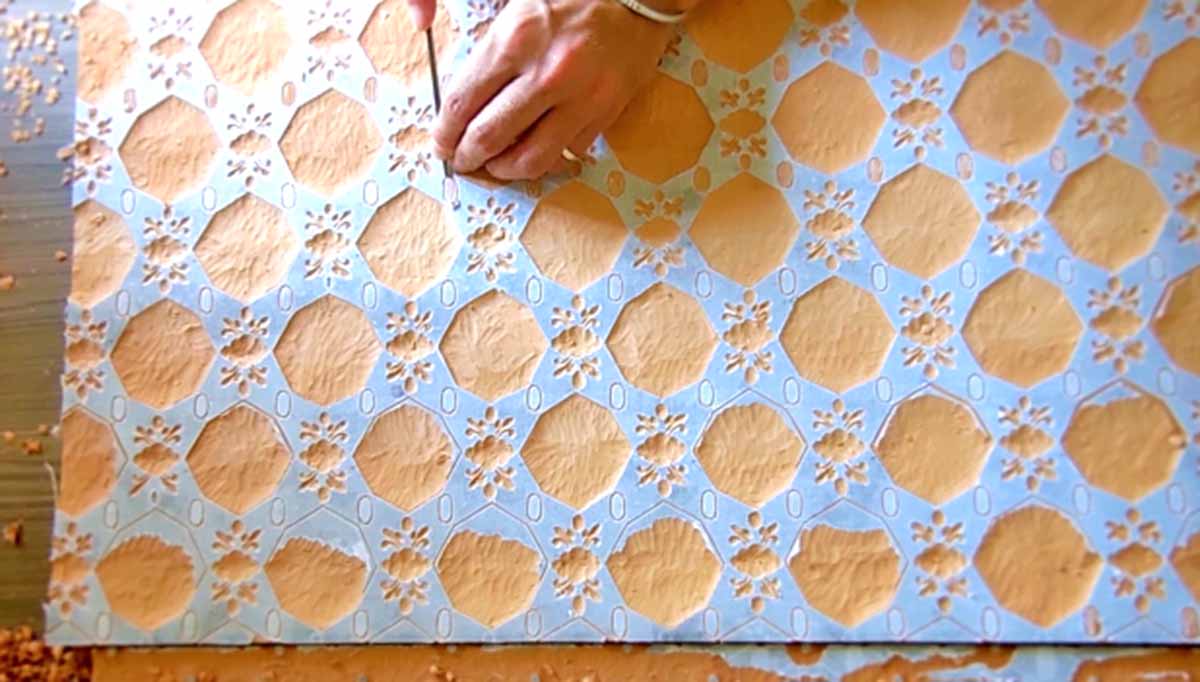
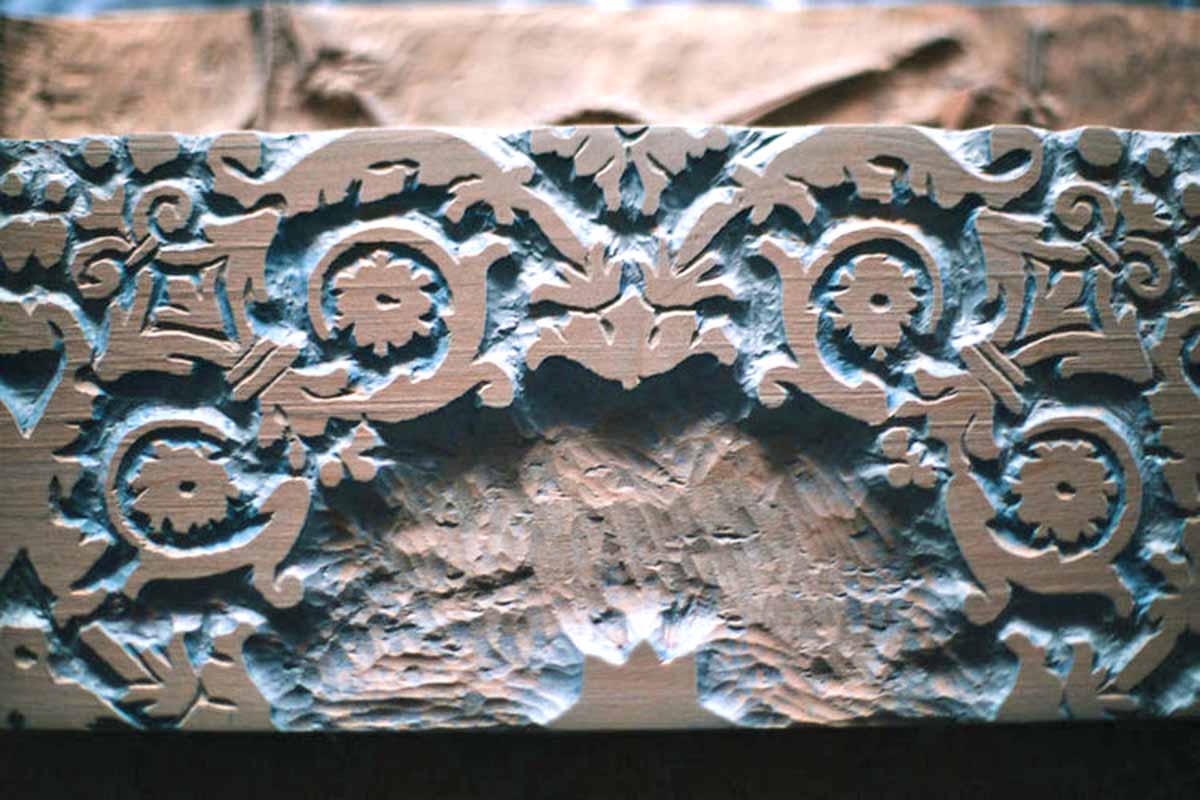
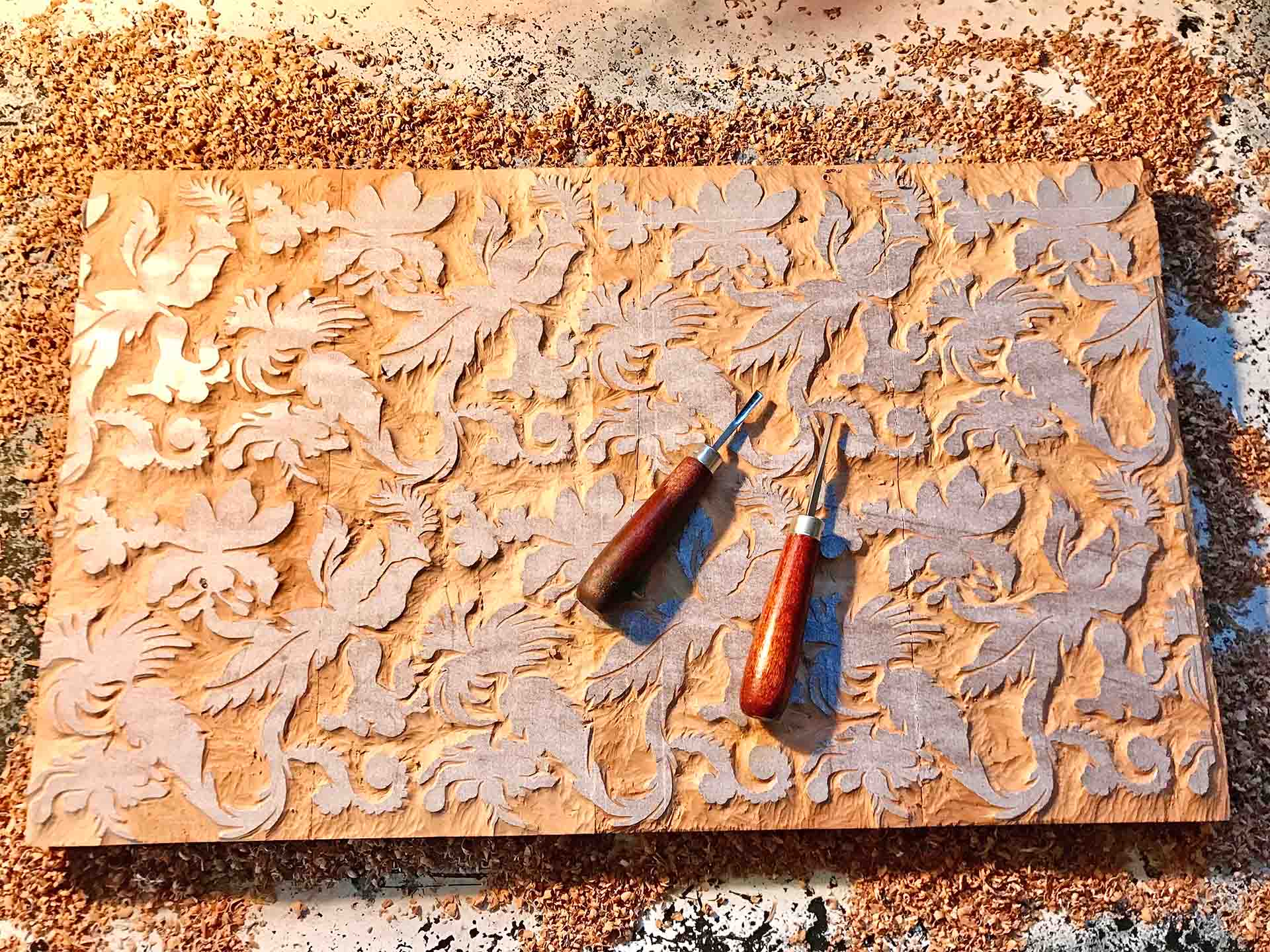
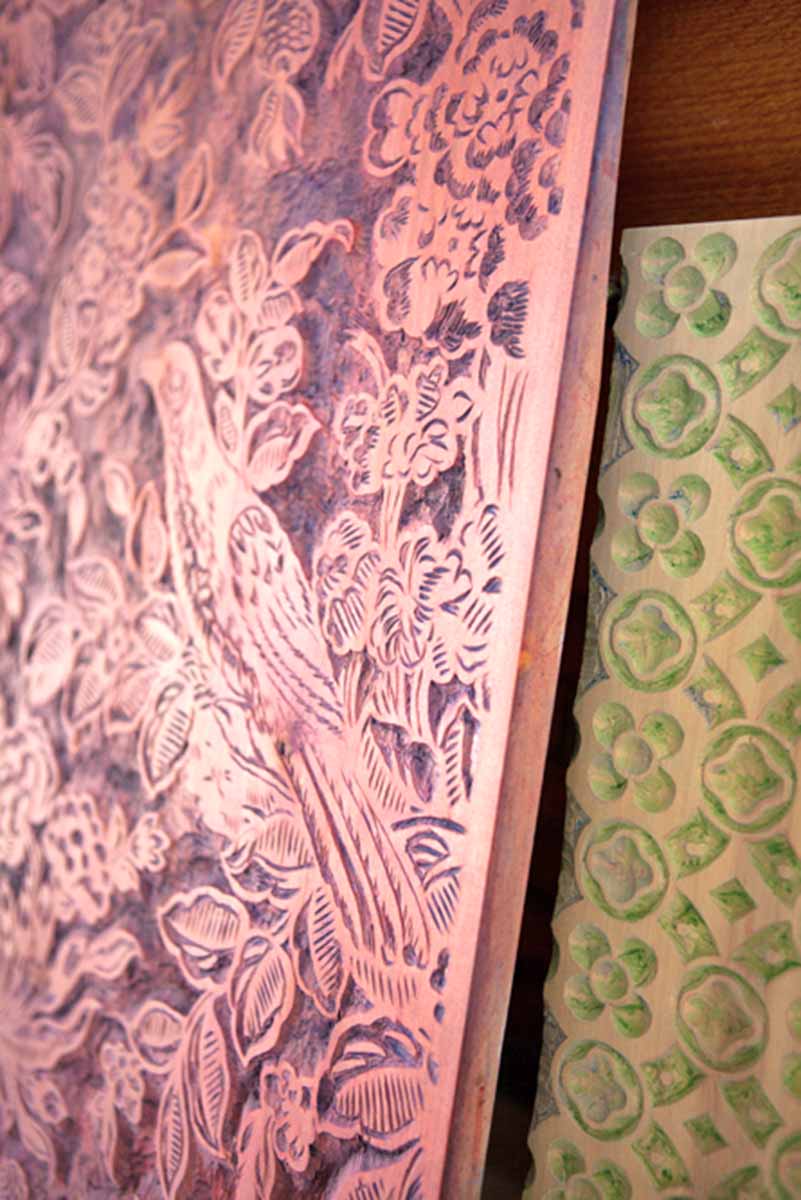
The workshop images document the complete hand made production process from initial block carving through to finished wallpaper. Each printing block is hand-carved from pear wood, the traditional medium favoured by 18th-century dominotiers for its fine grain, durability, and ability to hold crisp detail. The carving process requires considerable skill, as the raised surface must be precisely cut to achieve consistent ink coverage whilst the recessed areas must be deep enough to prevent unwanted marks during printing.
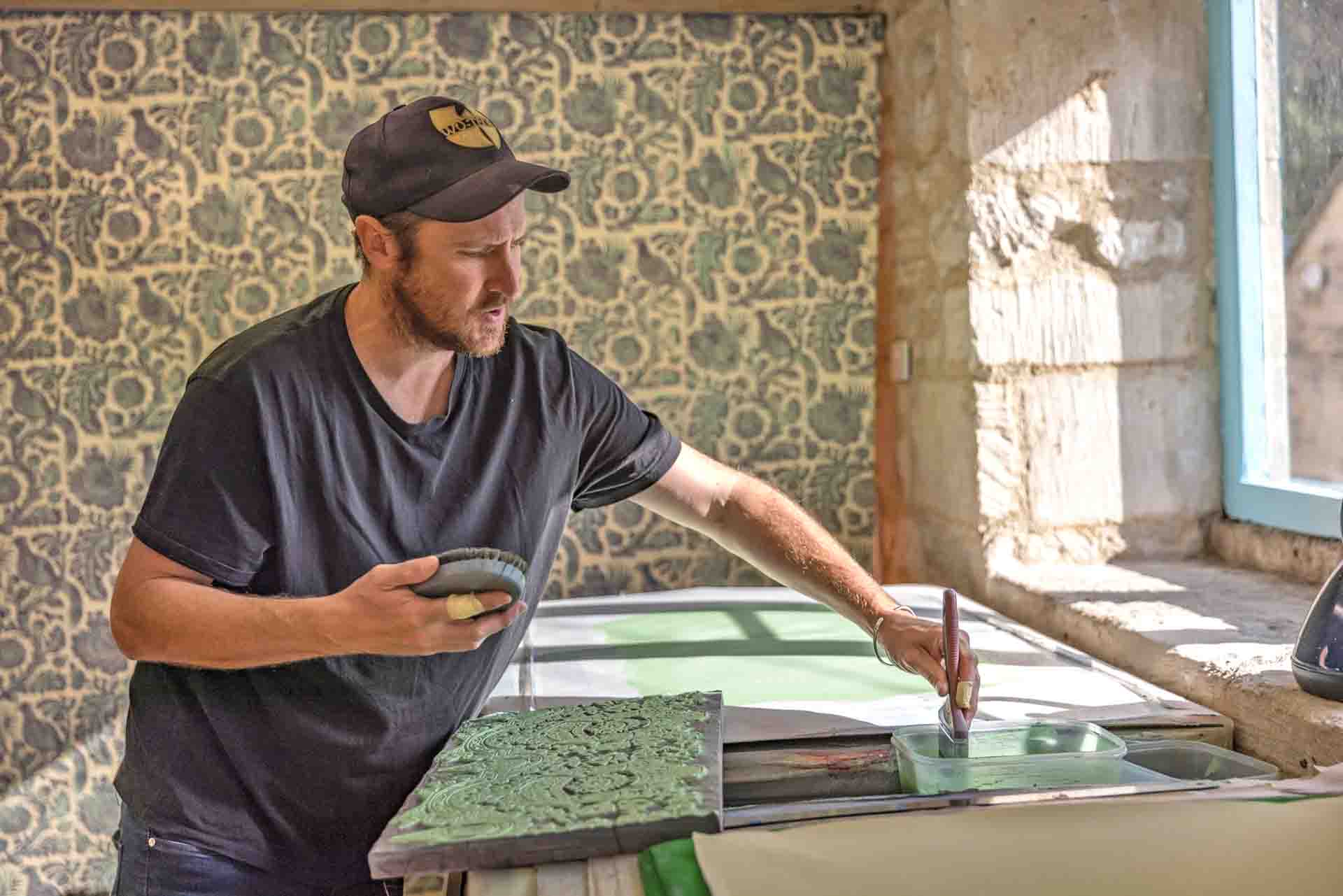
The printing technique employs an oar press, applying controlled downward pressure to transfer the design from inked block to paper. This method, unchanged since the Georgian period, demands careful attention to pressure consistency, ink viscosity, and paper positioning. Each sheet is printed individually, with the printer working systematically across the paper's surface to build up the complete pattern. Registration marks guide block placement for multi-colour designs, though even single-block patterns require precise positioning to maintain consistent pattern repeat across multiple sheets.
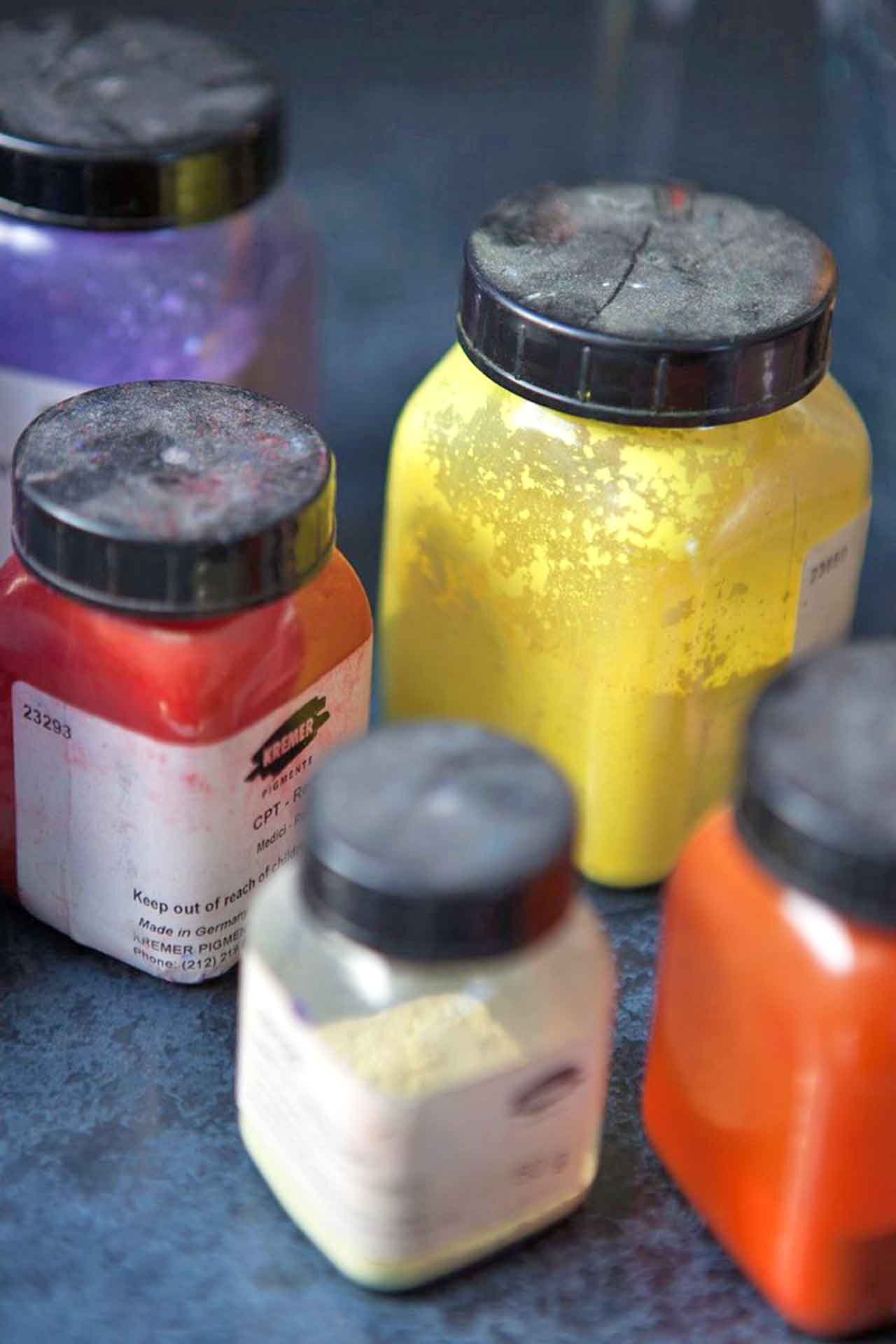
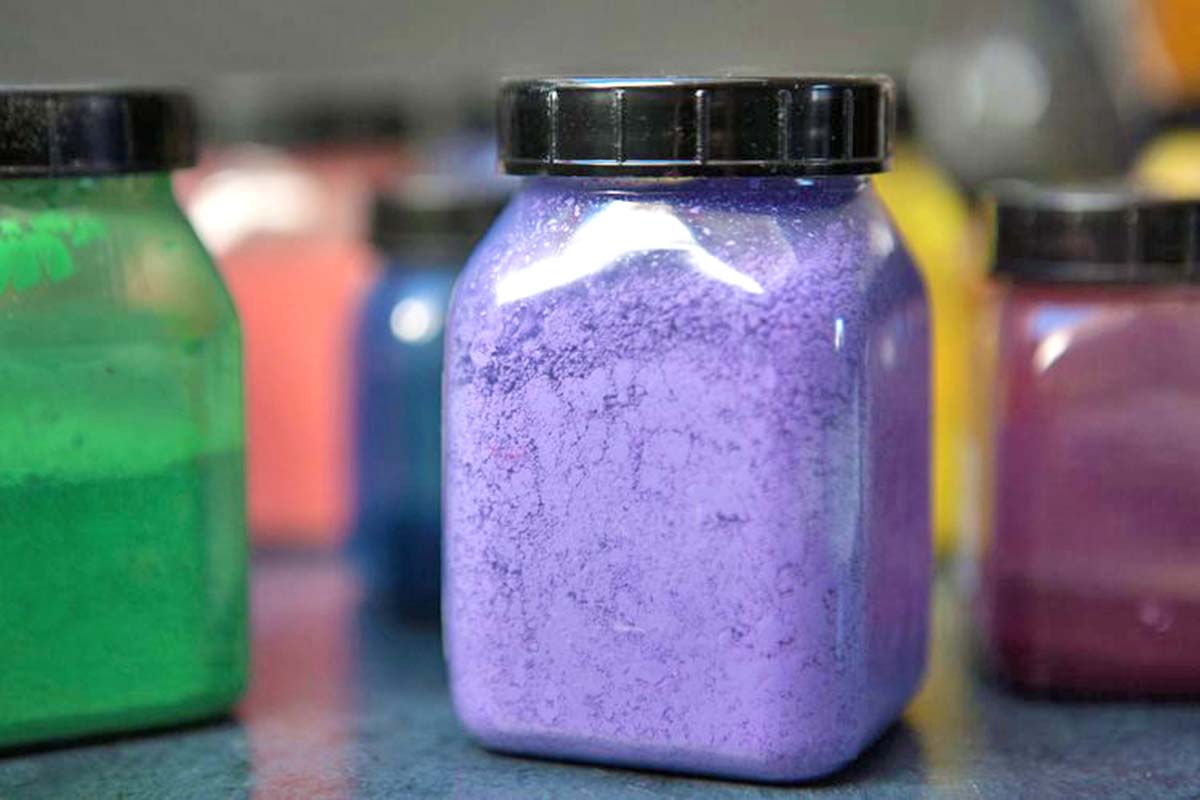
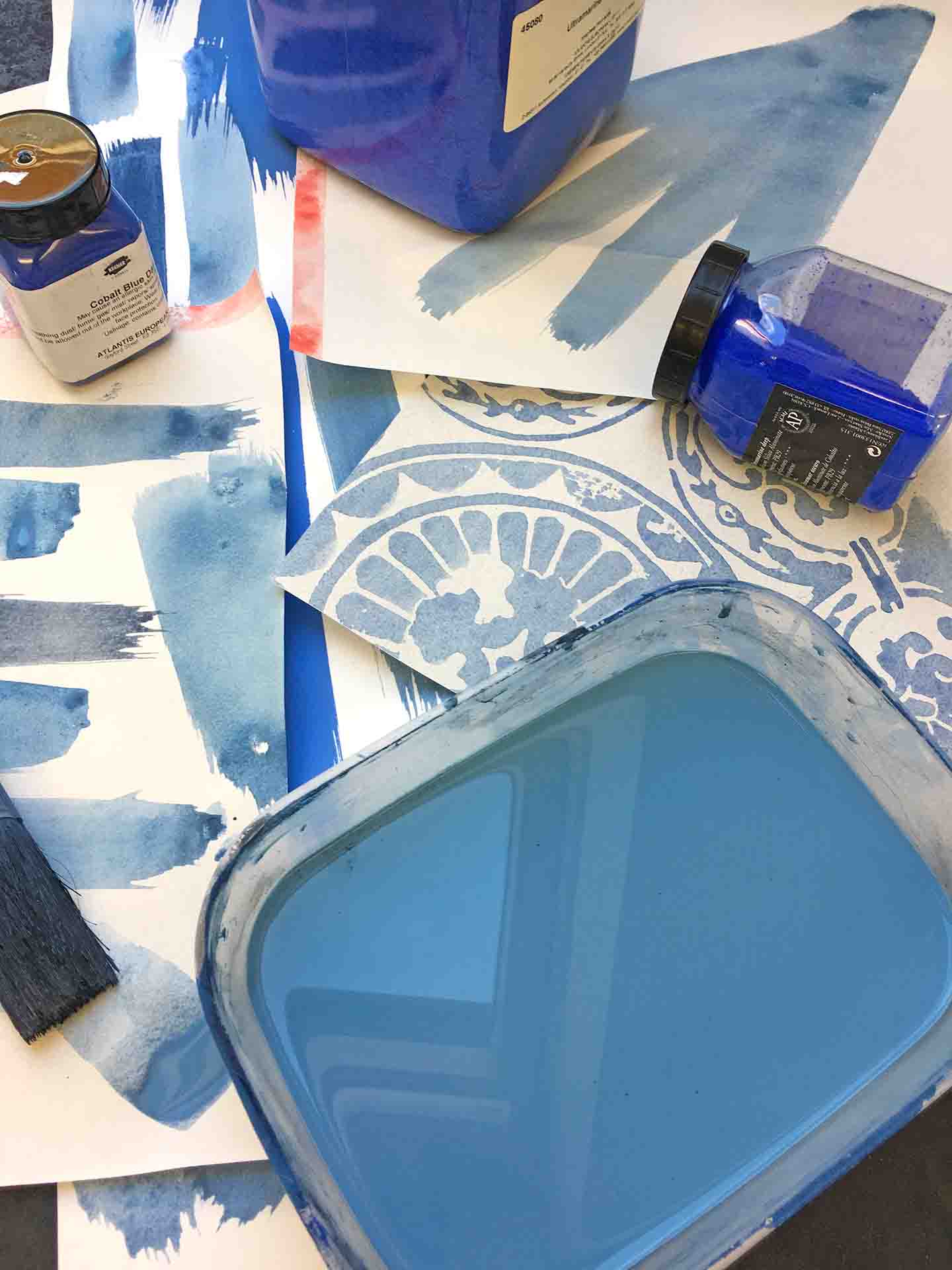
All colours are hand-mixed using traditional distemper paint recipes formulated with natural pigments and animal glue binders. This authentic approach replicates the characteristic matt finish, subtle colour variation, and dimensional quality of genuine Georgian wallpapers. The workshop maintains stocks of historic pigments including verdigris, terre verte, Prussian blue, vermilion, and various ochres, enabling accurate colour matching for conservation projects whilst also supporting creative contemporary interpretations of historic designs.
Workshop Tools and Materials
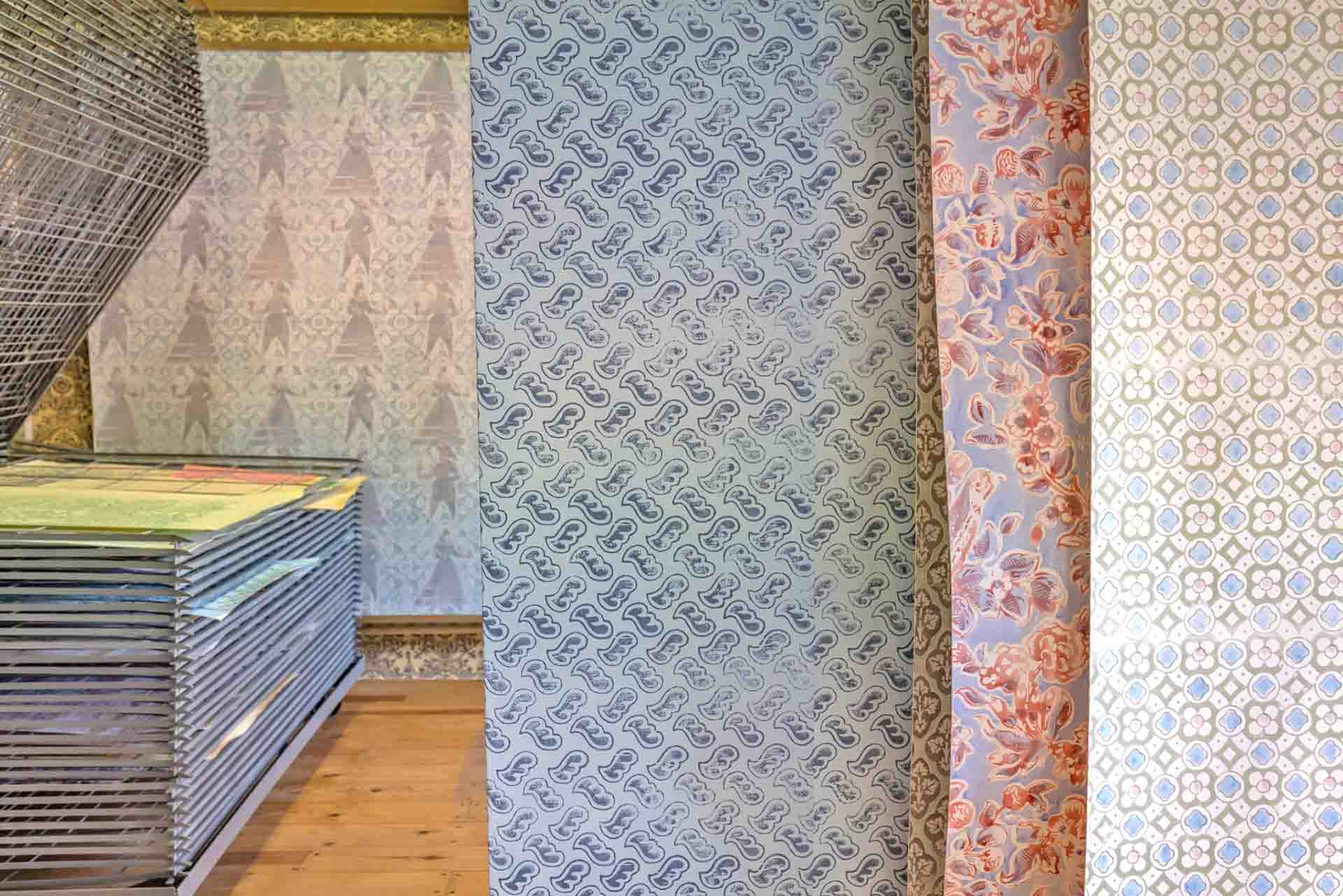
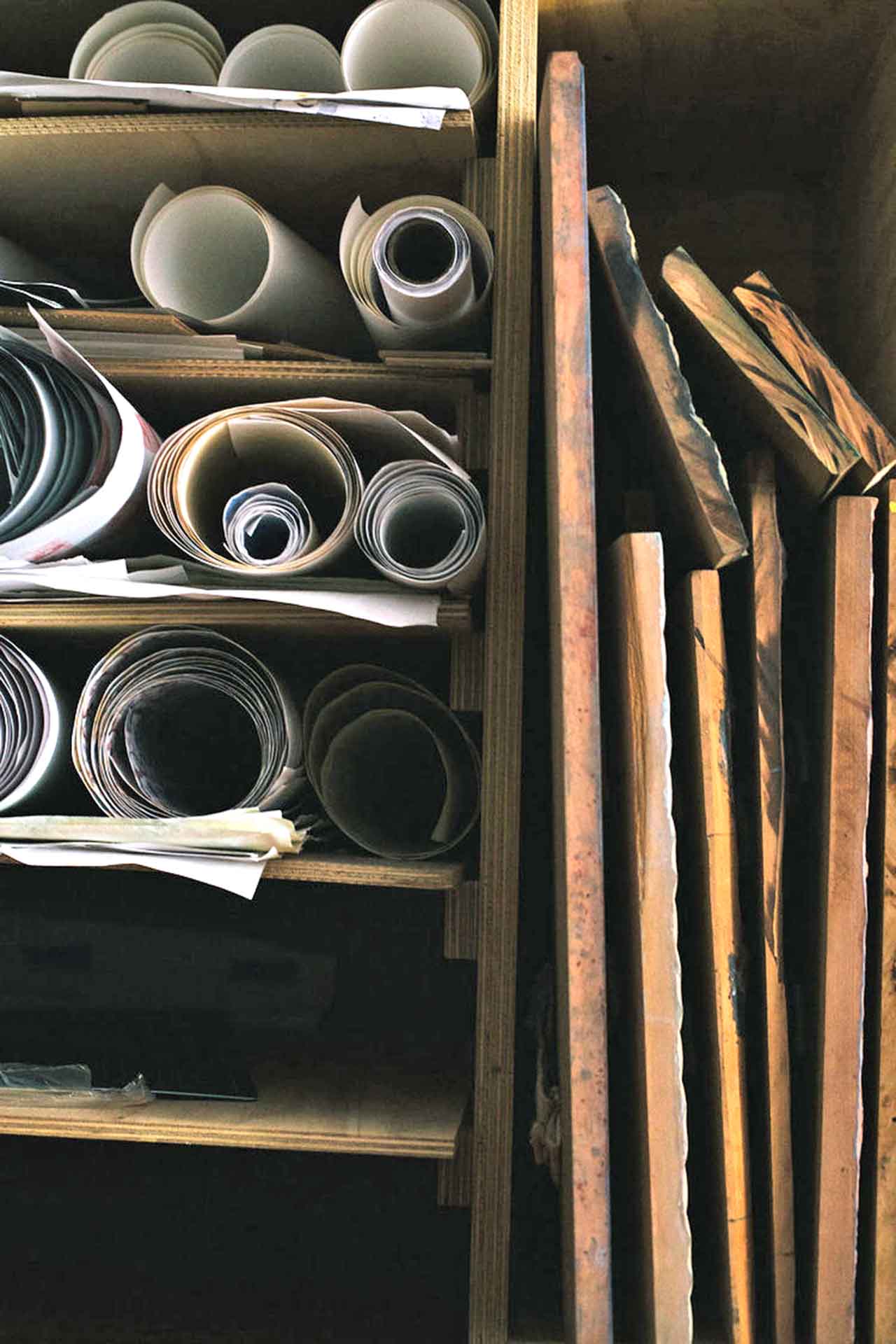
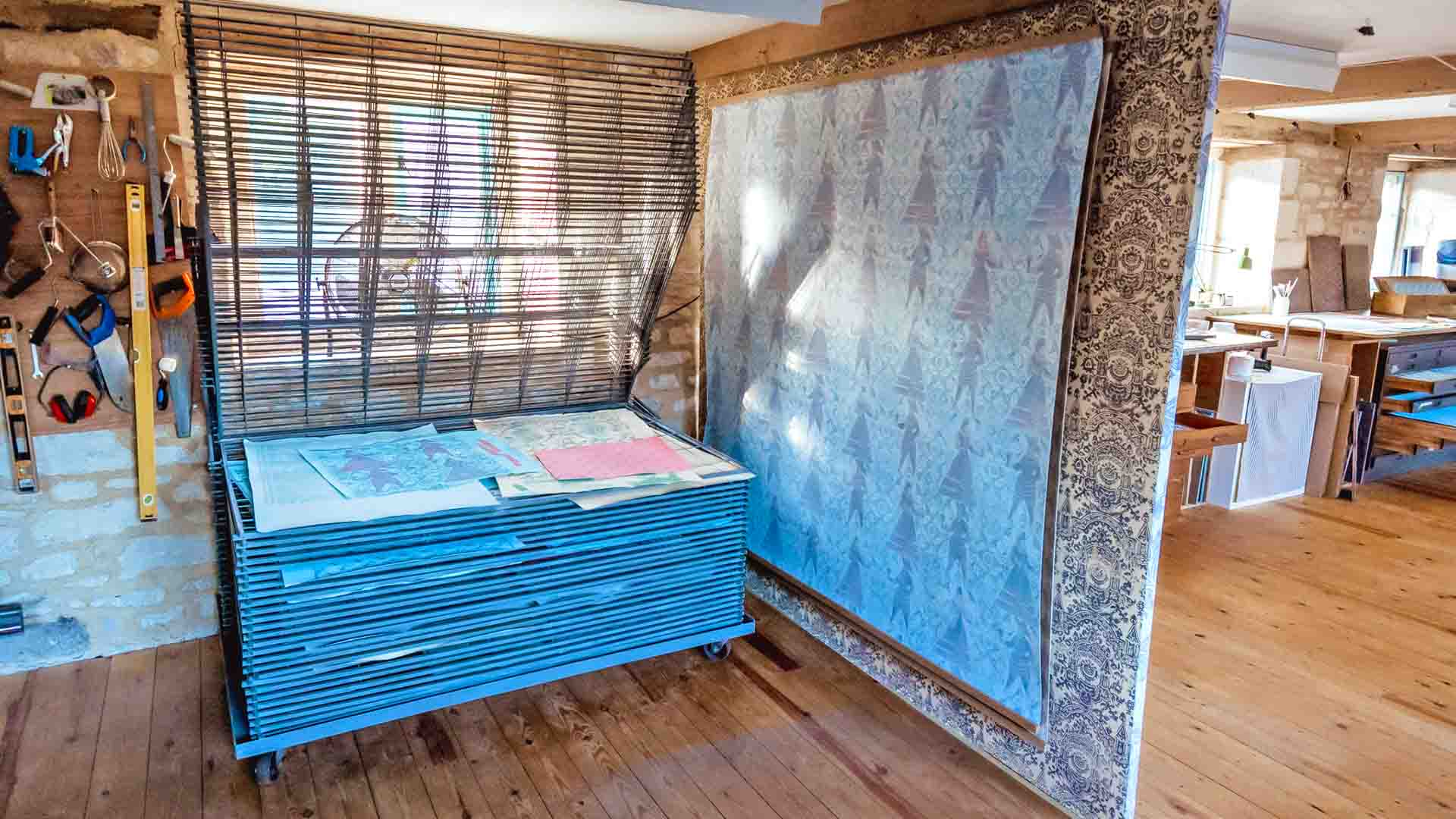
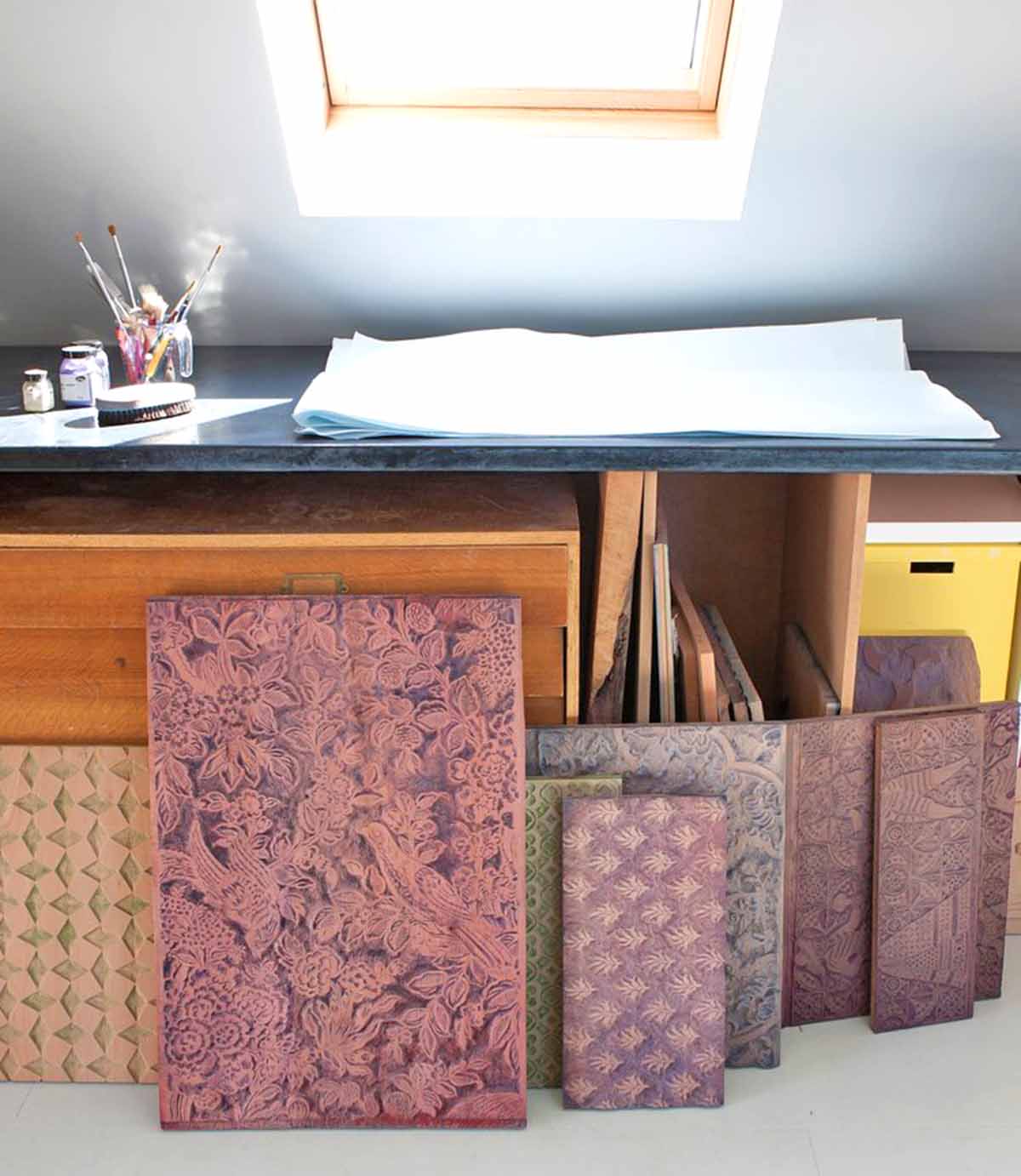
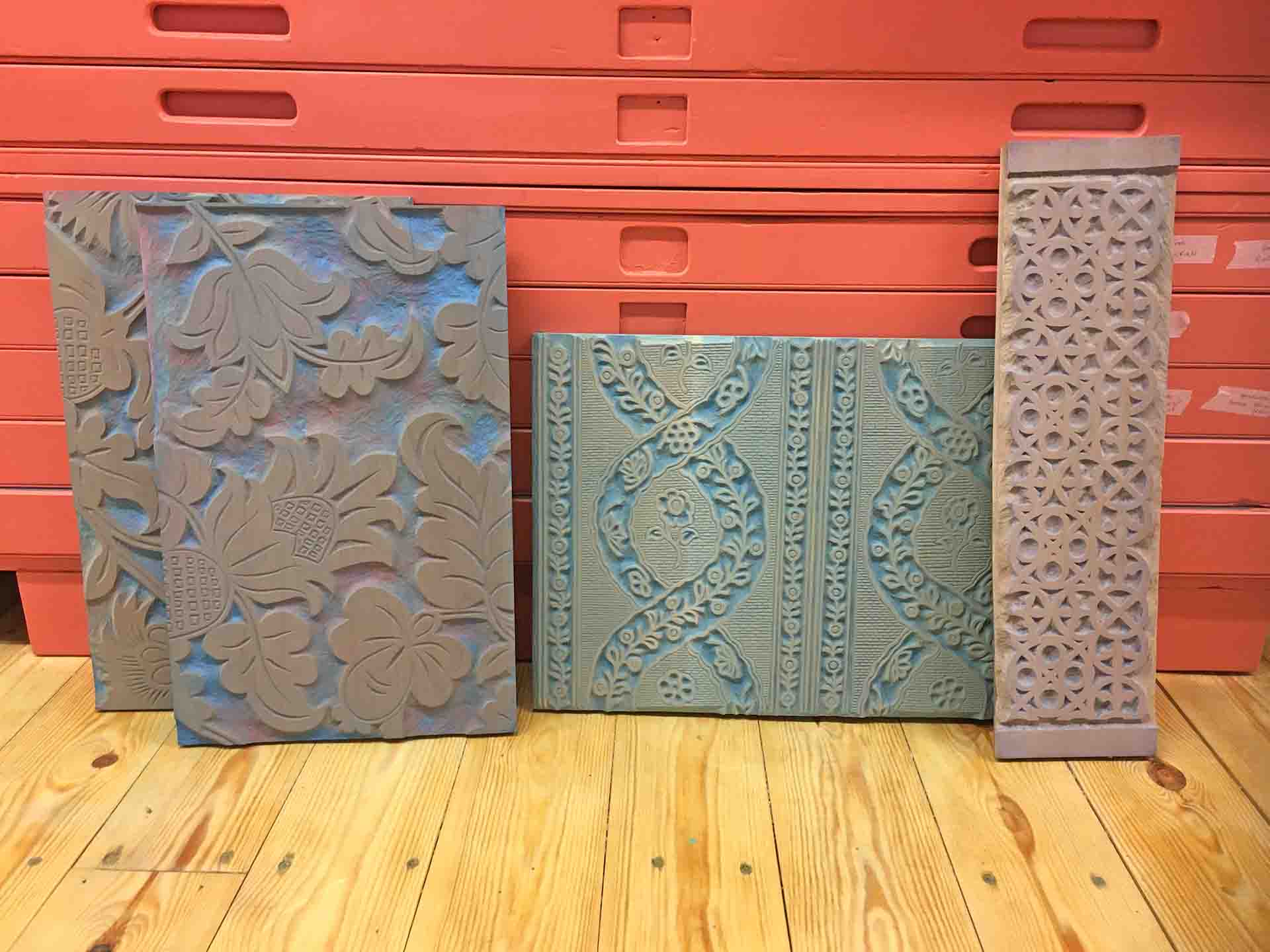
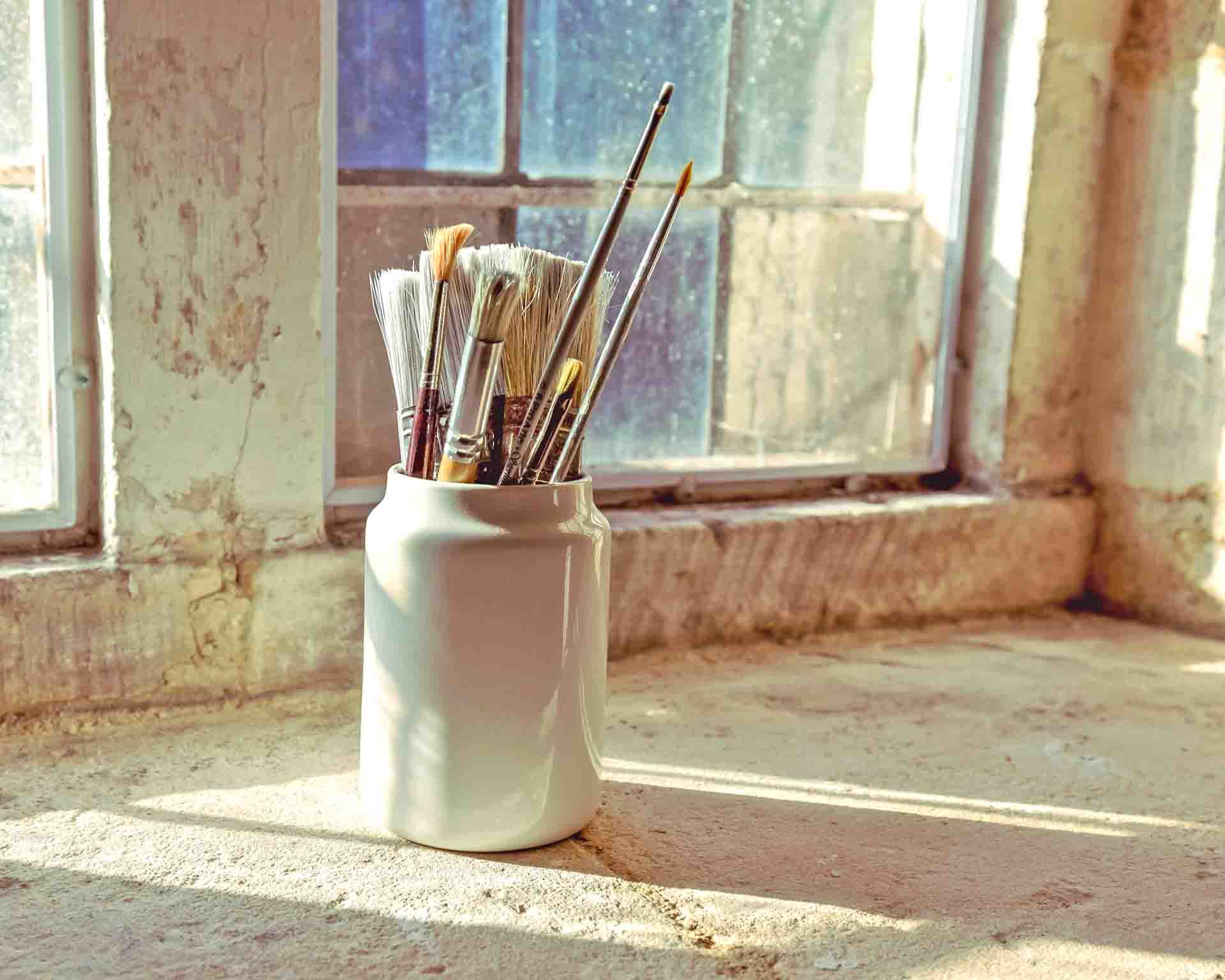
The studio photographs reveal the specialised tools and materials essential to authentic domino paper production. Hand-carved pear wood printing blocks are stored carefully to prevent warping, with blocks for some designs dating back over a decade of continuous use. The oar press itself, whilst a modern reconstruction of 18th-century designs, operates on identical principles to period examples, using leverage and controlled pressure rather than mechanical force.
Natural pigments are ground and mixed in small batches, ensuring fresh paint for each printing session. The animal glue binders used in distemper paint formulations require careful temperature control during preparation, as historic recipes demand specific viscosity for successful block printing. The workshop also maintains various grades of domino paper—the lightly sized paper traditionally used for hand-blocked wallpapers—sourced from specialist European paper mills that continue historic manufacturing methods.
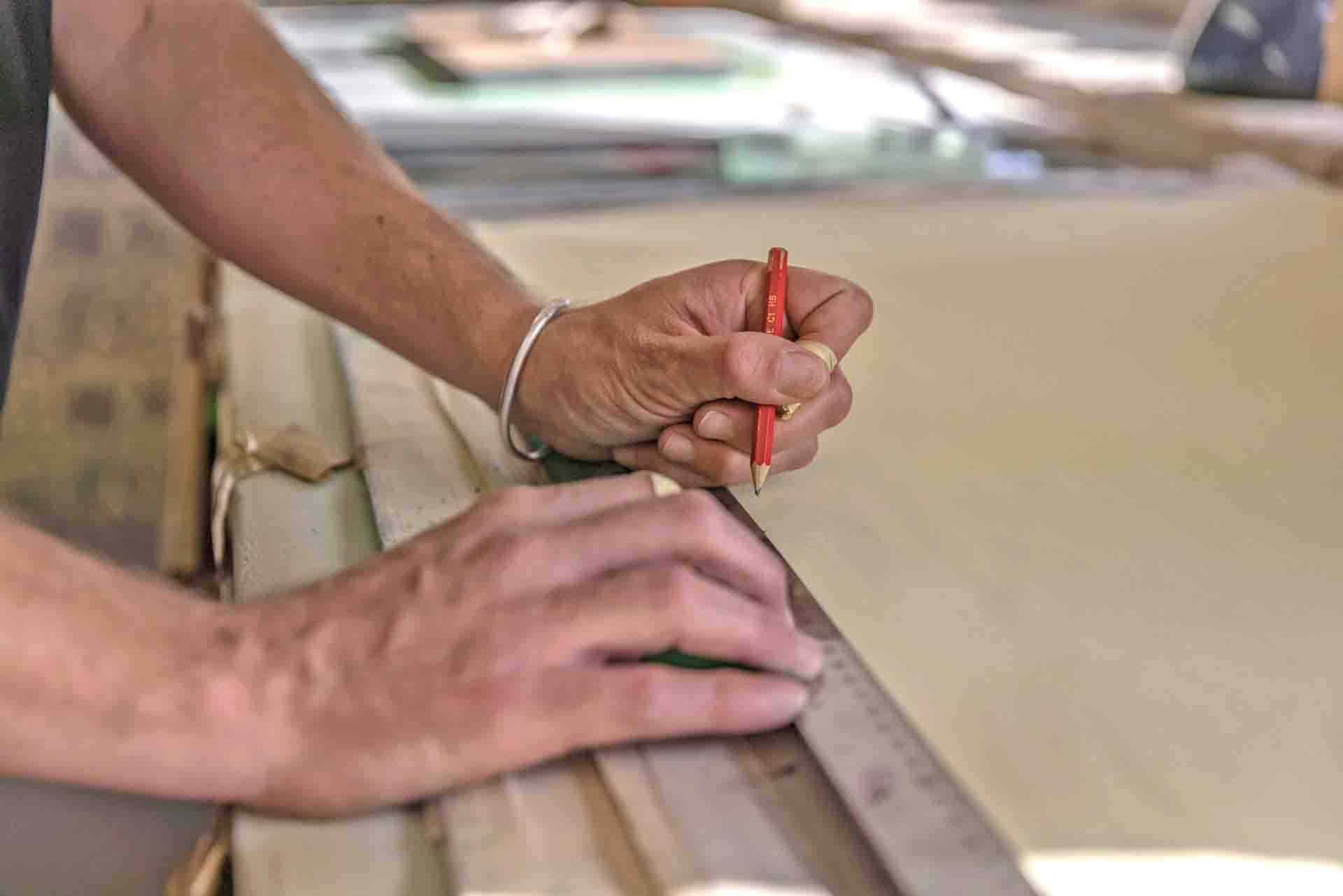
Additional tools visible in workshop images include registration jigs for multi-block printing, ink slabs for mixing colours, brayers for applying ink to blocks, and drying racks for freshly printed sheets. These implements, whilst simple in appearance, represent the accumulated knowledge of pre-industrial printing trades, where craft expertise and material understanding were transmitted through apprenticeship and practical experience rather than written instruction.
Historical Context and Authenticity
This gallery demonstrates James Randolph Rogers' commitment to absolute historical authenticity in both design reproduction and manufacturing technique. Unlike contemporary wallpaper production that employs digital printing or modern screen printing methods, JRR's workshop maintains the complete traditional workflow of Georgian-era dominotiers. This dedication to period methods extends beyond romantic nostalgia—it ensures that reproductions possess the visual and tactile qualities of genuine historic wallpapers, making them suitable for conservation-grade installations in heritage properties.
The designs represented in this collection derive from extensive archival research and examination of original wallpapers discovered in situ within period buildings. Many patterns have been documented in historic houses across Gloucestershire and the Cotswolds, whilst others reflect American Federal period aesthetics discovered during research collaborations with US heritage organisations. This transatlantic perspective ensures the collection serves both British and American markets authentically, recognising the shared design language that connected Georgian Britain with its former colonies during the Federal period.
Each wallpaper reproduction undergoes rigorous research to establish provenance, appropriate colour palettes, and period-specific production details. This scholarly approach, combined with practical expertise in traditional printing methods, positions James Randolph Rogers as a recognised authority in historic wallpaper reproduction. The gallery images collectively document not merely beautiful decorative objects, but a living continuation of pre-industrial craft practices that might otherwise exist only in museum collections.
Commissioning Bespoke Wallpaper
The wallpapers shown in this gallery are available for commission as bespoke projects with custom colour schemes mixed to suit specific interior requirements. Each design can be produced on individual sheets for professional installation or supplied as full rolls for larger projects. Minimum order quantities apply to ensure economical production whilst maintaining uncompromising quality and authenticity. Volume orders exceeding 100 sheets receive a 20% discount, making heritage property projects more accessible.
Colour consultation services are available to help clients select historically appropriate palettes for their specific period and location. Whether recreating documented schemes from historic houses or developing complementary colours for contemporary interiors, the workshop can formulate bespoke distemper paint colours that harmonise with existing decorative schemes. Sample sheets can be ordered to evaluate colours and pattern scale before committing to full production runs.
The workshop welcomes enquiries from interior designers, heritage property owners, museum curators, and private collectors seeking authentic period wallpapers. James Randolph Rogers works closely with conservation professionals to ensure reproductions meet exacting standards for historic building installations, providing technical specifications and material composition details required for conservation documentation. This collaborative approach ensures hand made wallpapers serve both aesthetic and archival requirements within heritage contexts.